
Automated PCB Assembly Services
OrinewPCB combines automated SMT placement, controlled reflow and assembly inspection for prototypes and repeat production. Share your board files, BOM and test requirements to confirm the build route and quotation.
- Single- and double-sided assembly
- Turnkey or customer-supplied parts
- Inspection matched to your build
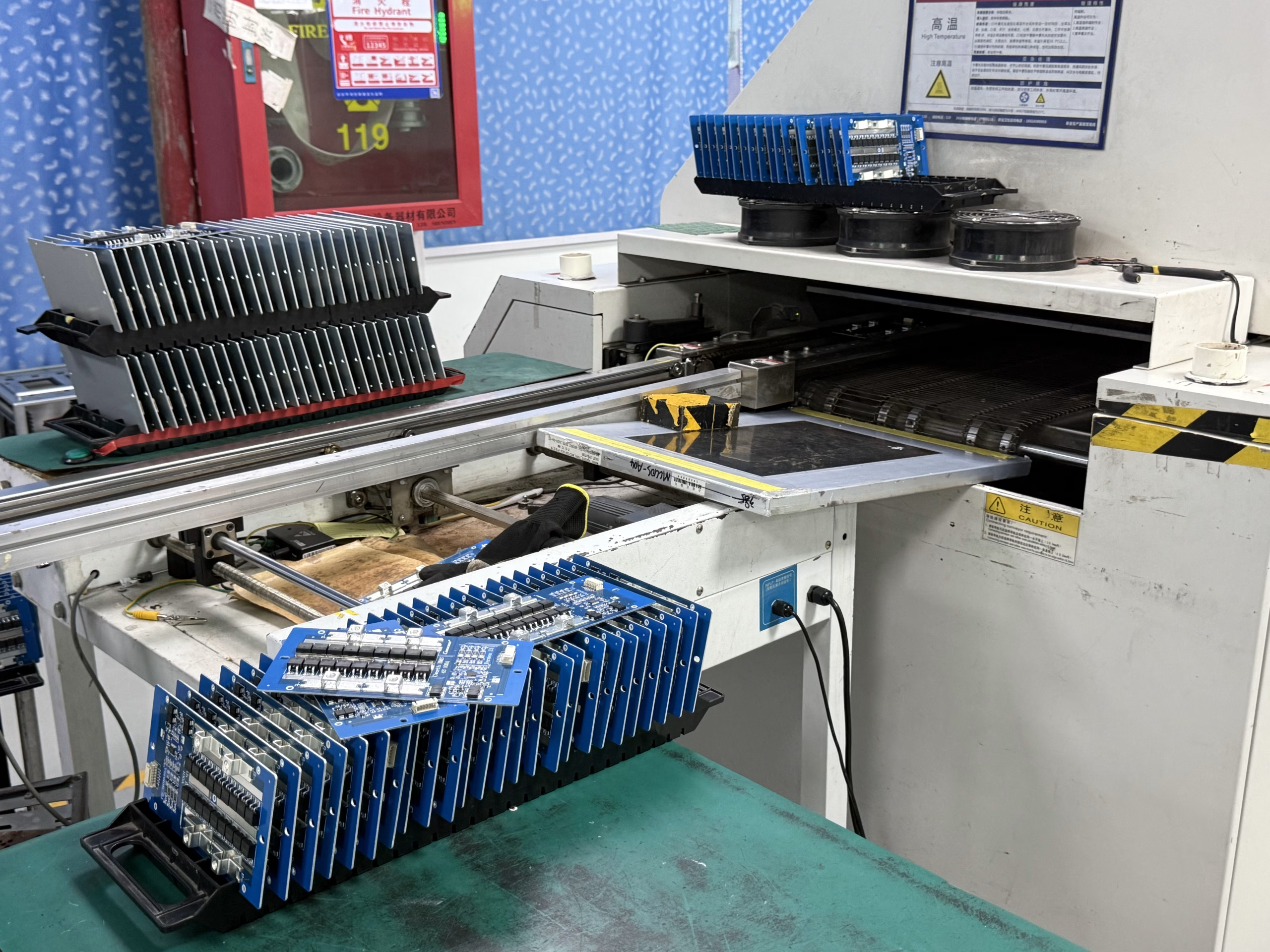
What Does Automated Assembly Help You Achieve?
Automated assembly brings programmed placement, controlled soldering and process inspection together. Its value comes from making repeatable operations more consistent and identifying issues at defined production stages.
More consistent repeat builds
Placement equipment follows reviewed coordinates, component orientation and production programs. Reusing an approved setup helps keep repeat orders aligned with the released design and reduces variation from repetitive manual handling.
Support for dense component layouts
Programmed placement helps position small SMT components and fine-pitch packages on compact boards. Feasibility still depends on the land pattern, component packaging, board support and inspection access.
Earlier visibility of process issues
SPI can identify solder-paste deviations before placement, while AOI checks visible placement and soldering features after reflow. These checks create opportunities to correct process issues; hidden joints and electrical function require other inspection or test methods.
Less repetitive work as builds scale
Machines perform repeated placement operations from an approved program. Across larger or recurring builds, setup effort can be spread over more boards, while operators focus on preparation, verification and exceptions. Total cost and delivery time still depend on sourcing, setup and testing.
Automation does not correct incorrect source data or guarantee a defect-free board. File review, first-article verification and an agreed test plan remain essential; very small runs or frequently changing designs may not gain the same cost benefit.
Is Automated Assembly Right for Your Board?
Automation performs repeatable placement and soldering tasks from approved production data. Suitability depends on the component mix, packaging, board handling and expected build quantity.
Dense SMT layouts
Programmed placement helps assemble small components and fine-pitch packages consistently.
Repeat production
Stable files and an approved setup help keep recurring builds aligned with the released design.
Prototypes and pilot builds
Machine assembly can validate the production route early; setup costs still matter at low quantities.
Mixed or unusual components
Through-hole connectors, heat-sensitive parts and odd-form devices may need additional soldering or manual operations.
Automated assembly does not mean every operation is unattended, or that every board is best built on the same route.
Automated Assembly Capabilities
These published SMT capabilities are a starting point for review. Final acceptance depends on your board, component packages, panel design and inspection requirements.
On small screens, scroll the table to see all review conditions.
| Parameter | Published reference | Review requirement |
|---|---|---|
| Assembly configuration | Single- and double-sided SMT / PTH | Confirm component mix and soldering sequence. |
| Small passive packages | Down to 01005 imperial (0402 metric) | Review land pattern, stencil and inspection access. |
| Fine-pitch packages | BGA and leaded IC pitch down to 0.2 mm | Confirm package, board design and inspection plan before release. |
| Maximum PCB outline | 14.5 × 19.5 in. (368.3 × 495.3 mm) | Include panel rails and handling requirements in the review. |
| Machine-placed component size | Up to 2.2 × 2.2 × 0.6 in. | Confirm body height, weight, packaging and placement access. |
| Panel formats | Tab-routed, breakaway tabs and V-score | Review supports, fiducials and depaneling risks. |
| Mixed assembly | Surface-mount and through-hole components | Additional soldering operations depend on the design. |
| Inspection and test | SPI, FAI, AOI, X-ray; ICT/FCT by project | Agree coverage, fixtures, limits and required records. |
From Approved Files to Assembled Boards
Preparation
Release review
Align Gerber data, BOM, placement files and assembly notes. Resolve revision, polarity and sourcing questions before production release.
Material preparation
Confirm PCB and component readiness, packaging and any customer-supplied items.
Production and verification
Paste printing and SPI
Print solder paste through the stencil and check deposits before component placement.
Placement and first article
Load the placement program and verify the first build against the approved assembly data.
Reflow and mixed assembly
Apply the planned soldering process, then complete any through-hole or special handling operations.
Inspection, test and shipment
Perform the agreed checks, review acceptance results and prepare the assemblies for delivery.
If customer first-article approval is required, define the approval point and deliverables in the order before the run starts.
Match Inspection to the Failure Risk
No single inspection method proves that an assembly will work in its application. Define both assembly checks and electrical or functional acceptance before production.
On small screens, scroll the table to see all review conditions.
| Method | What it checks | What to agree |
|---|---|---|
| SPI | Solder paste deposits before placement | Measurement limits and handling of failed prints. |
| First article inspection | Initial build against BOM, polarity and assembly data | Review records and any customer release requirement. |
| AOI | Visible placement and soldering features | Program coverage; hidden joints need other methods. |
| X-ray | Selected hidden solder joints, including BGA structures | Inspection scope, criteria and reporting. |
| ICT / flying probe | Accessible electrical characteristics and connections | Test access, fixture needs and coverage. |
| Functional testing | Defined powered behavior of the assembly | Firmware, fixtures, procedure and pass/fail limits. |
Specify the required workmanship standard and acceptance class with your order. Reports and traceability requirements should be agreed before quotation is finalized.
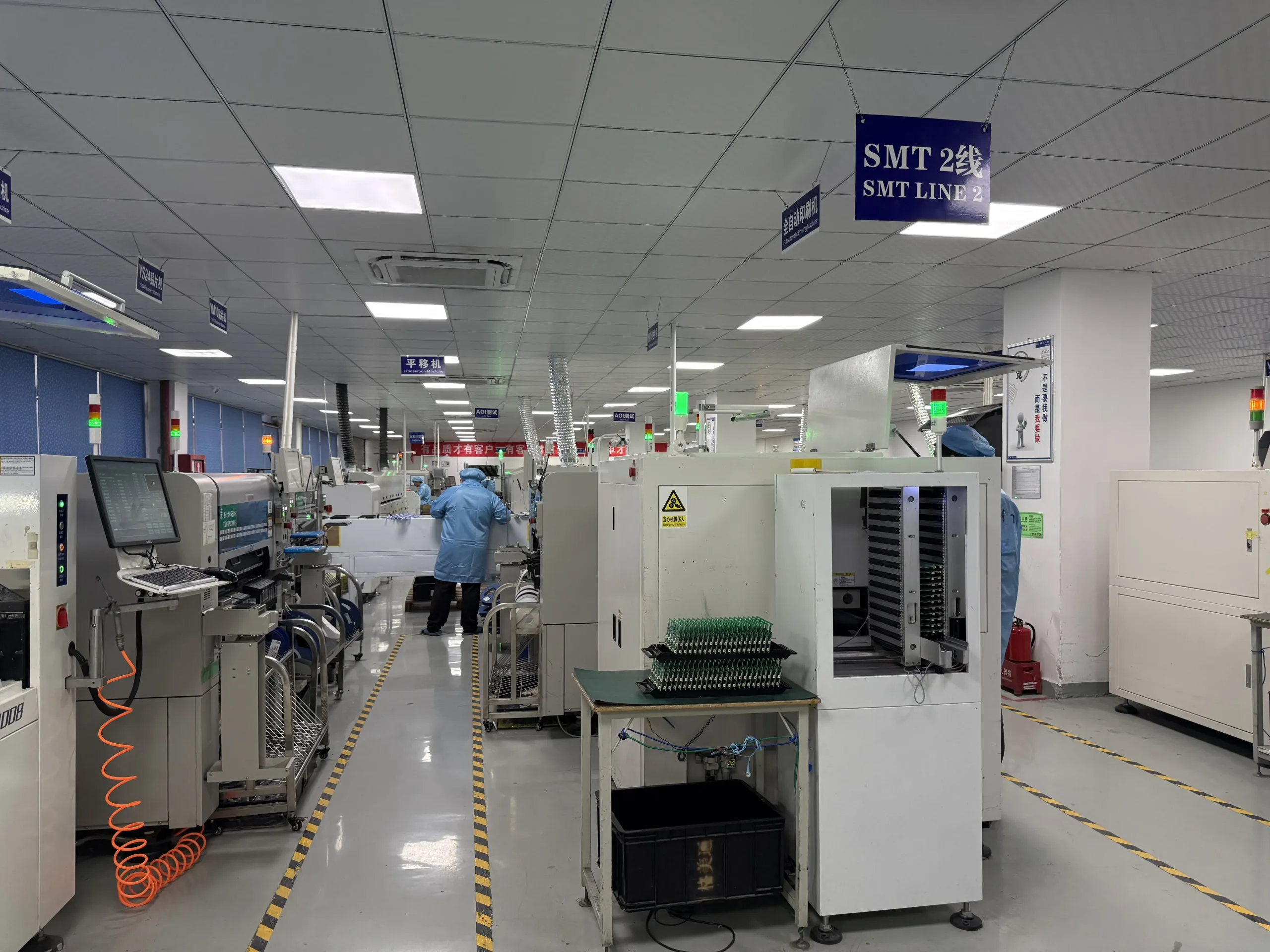
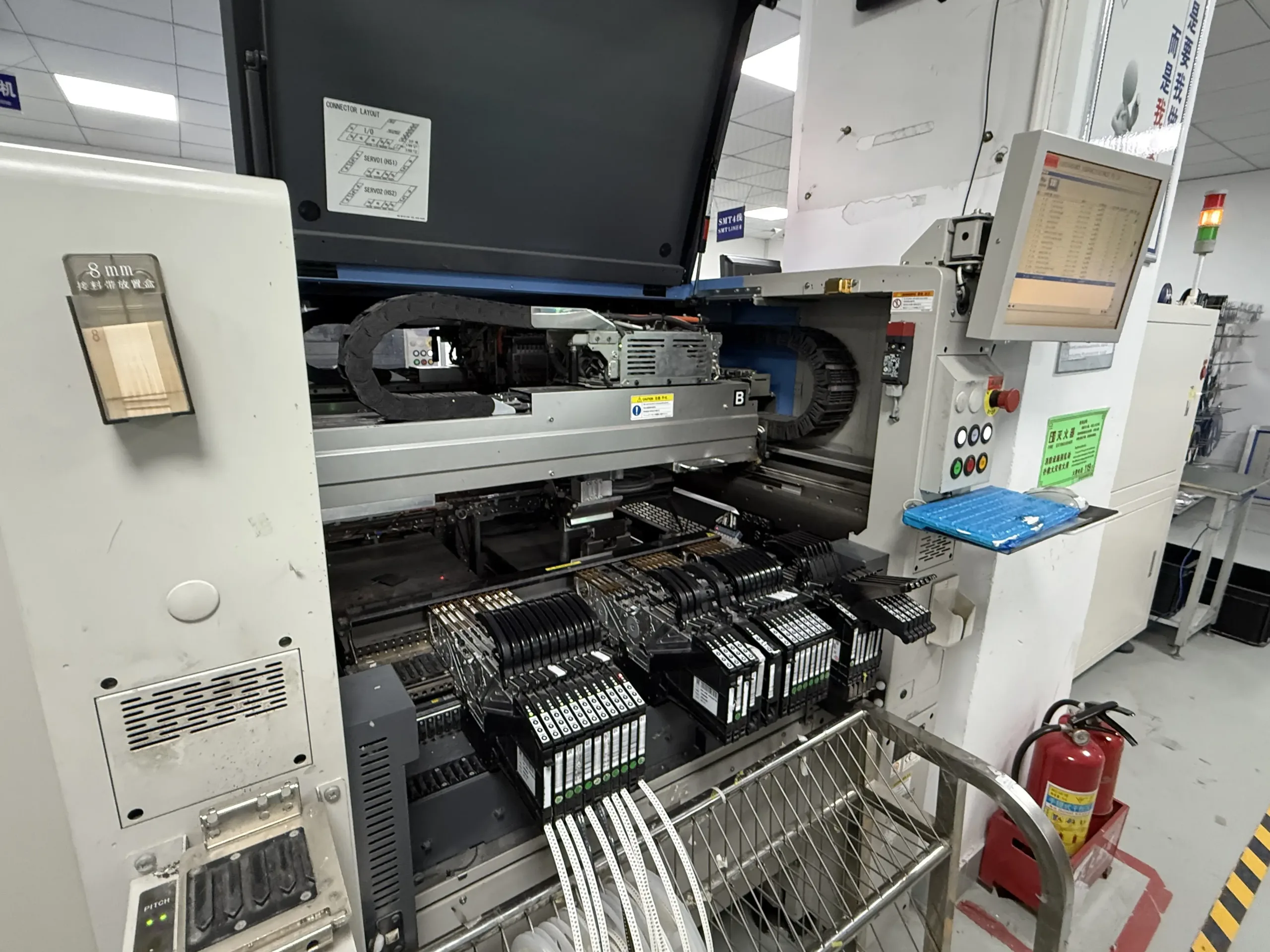
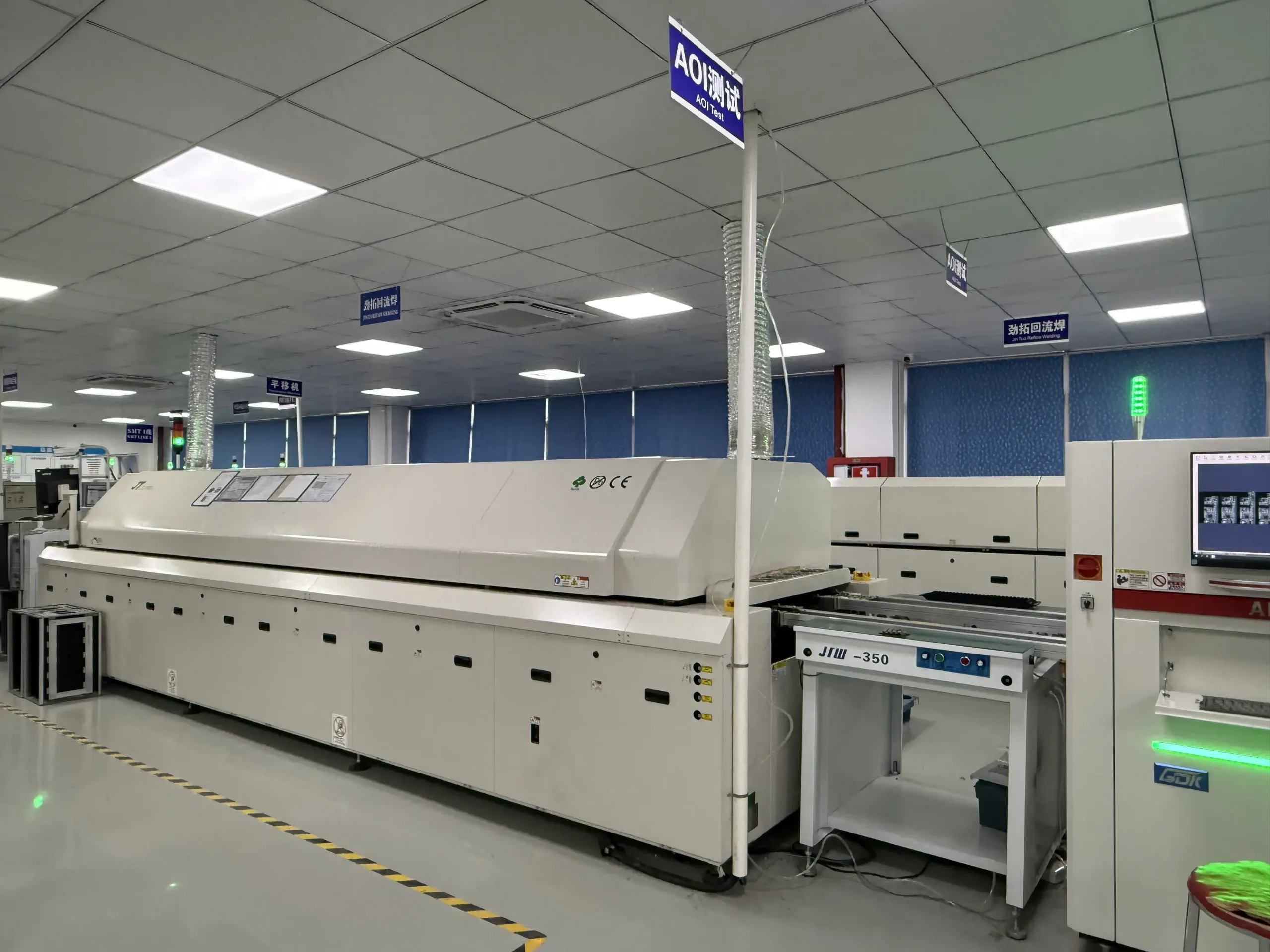
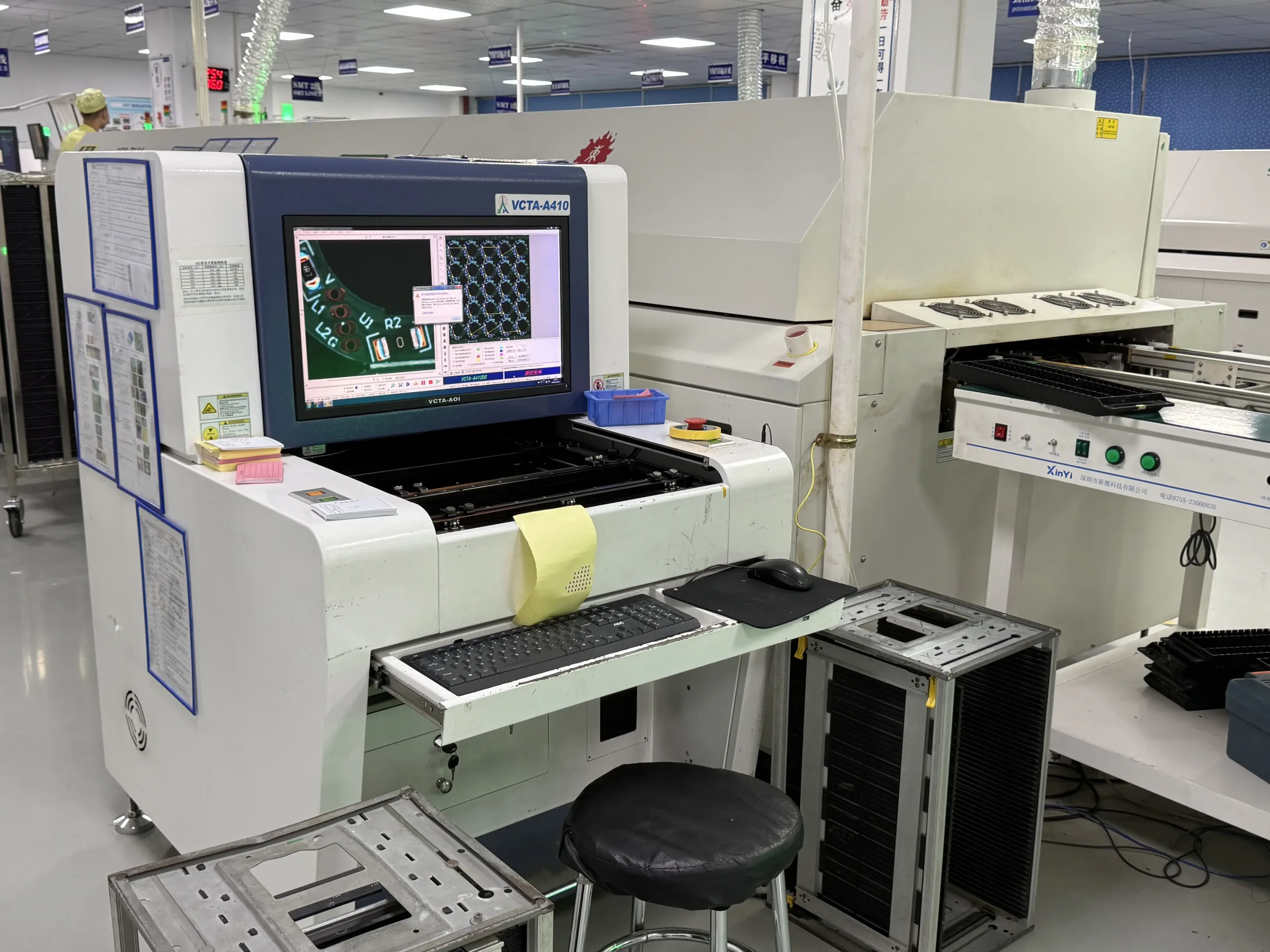
See the Assembly Workshop
Explore the production line, component feeding, reflow equipment and optical inspection workstations shown on OrinewPCB’s website.
Keep Parts and Revisions Under Control
Full turnkey
OrinewPCB sources the boards and components for the agreed assembly package.
Partial turnkey
You supply selected parts; identify the remaining sourcing responsibility in the BOM.
Consigned assembly
Supply the boards and component kit with clear part labels and a packing list.
Control points
- Identify manufacturer and exact MPN
- Mark DNP parts and approved alternates
- Release one matching revision of Gerber, BOM and CPL
- Provide clear pin-one and polarity notes.
The published SMT service requires written approval before substituting components. Confirm the approved parts list, change process and unused-material handling for your order.
Understand Cost and Production Timing
An assembly quote depends on more than board area. Component availability, setup, placement count, soldering operations and test requirements all affect the total.
Quote breakdown
- PCB fabrication
- BOM components
- Stencil and setup
- Assembly operations
- Inspection, test and fixtures
- Packing and freight
Prototype
Allow for one-time setup and first-build review before evaluating unit cost.
Repeat orders
Identify the approved revision and flag any component, firmware or test changes.
Production timing
Confirm when files, PCBs and components will be ready. Separate assembly time from sourcing, fabrication and shipping in the agreed schedule.
Send the required quantity, repeat-order forecast and target delivery date so the quotation can reflect your actual build.
Automated PCB Assembly FAQs
What is automated PCB assembly?
Automated PCB assembly uses programmed equipment for operations such as solder paste printing, component placement, reflow and inspection. It assembles components onto a PCB; it is different from PCB design automation or bare-board drilling.
Can automation be used for prototypes and small batches?
Yes, when the board and component packaging suit the equipment. The practical route depends on setup effort, design stability and quantity. A pilot build can help validate the production data before a larger run.
Can a board combine automated SMT and through-hole assembly?
Yes. A mixed build can use SMT placement and reflow alongside additional through-hole or manual operations. The soldering sequence depends on the components and board design.
What files are needed for an assembly quote?
Send Gerber and drill data, a BOM with manufacturer and MPN, a pick-and-place file, assembly drawings and the required quantity. Include DNP markings, polarity notes and test requirements in the same released revision.
Will AOI confirm that my board works?
AOI examines visible assembly features. It does not prove circuit function or inspect every hidden joint. Discuss X-ray and electrical or functional testing according to the risks and acceptance requirements of your product.
Can out-of-stock components be substituted?
The published SMT service requires written approval for substitutions. Identify approved alternatives in the BOM, or request review of proposed replacements before purchasing and production release.
How much does automated assembly cost?
Cost depends on the BOM, board quantity, placement and soldering work, setup and test scope. Request an itemized quotation so you can distinguish components, fabrication, assembly and one-time tooling costs.
When does the production lead time start?
Confirm the start point in your quotation. Assembly timing depends on approved files and the availability of boards and components; sourcing, fabrication, engineering holds and shipping can add to the overall schedule.
What happens to unused components?
The SMT service describes returning unused parts or storing them for repeat builds. Agree the inventory, return or storage arrangement, and any applicable terms with your order.
What should I provide if a delivered board has a problem?
Share the order and board revision, affected quantity, defect photos and relevant test results. Request review against the agreed assembly and test scope; any remedy should follow the order’s accepted quality terms.
Start with a Complete Assembly Package
Send the files and requirements below to help us review your automated assembly route, component needs and quotation.
- Board data
- Gerber and drill files, board outline and panel requirements.
- Component list
- Manufacturer, exact MPN, reference designators, quantity, package, DNP and approved alternatives.
- Placement data
- X/Y coordinates, rotation, board side and a matching file revision.
- Assembly and test notes
- Polarity, special handling, workmanship requirements, firmware and acceptance procedure where applicable.
- Order details
- Quantity, repeat-build forecast, sourcing model, required delivery date and destination.
