Hobbyist PCB Assembly services

PCBAndAssembly is a PCB manufacturer for hobbyists. We make custom circuit boards for DIY projects. Our focus is on small-batch production and prototypes, and we offer high-quality fabrication with quick turnaround times. OurPCB aims to support the creative needs of electronics enthusiasts.
  • Low-cost prototypes with industry-leading quality
  • One-stop PCB assembly service
  • Engineering checks and design feedback for every order
PCB

14+

Years Experience

98.15%

On-Time Delivery

96%

customer satisfaction rate

99%

Quality Pass Rate

Hobby PCB Fabrication

Hobby PCB fabrication is the process of producing custom circuit boards for hobbyists, makers, and small project designers. It converts your PCB design into a real printed circuit board using professional manufacturing methods. This allows hobbyists to move from digital schematics to functional hardware without expensive equipment or complex in-house processes.

The fabrication process starts by preparing your Gerber files and other design data. These files help us to create the layers of copper traces, solder mask, and silkscreen that form the electrical paths and labels on your board. Precise machinery cuts, drills, and plates the board, while features like blind vias or ENIG finish can be added to meet the design’s performance needs.

PCB Factory

Our Hobby PCB Fabrication and Assembly Capabilities

PCBAndAssembly provides hobbyists access to advanced PCB fabrication and PCB assembly services reserved for large manufacturers. Whether you are building a single prototype PCB or a batch of hobby circuit boards, we deliver professional PCB quality and flexible production options.

We work with FR4, High TG, Halogen-Free, CEM-3, Rogers, Isola, and Rogers HF materials. This gives hobbyists access to the same substrates used in professional and commercial electronics.

Our fabrication process supports a minimum trace width and spacing of 1.8 mil/1.8 mil, with accurate annular rings and blind vias available. We offer copper thickness options up to 1000 μm and maintain tight tolerances for even the most complex PCB design requirements. Advanced drilling and plating techniques help us achieve consistent quality across every board.

We offer surface finishes including lead-free HASL, ENIG finish, OSP, immersion tin, and immersion silver. Hobbyists can also select from various solder mask colors such as green, black, blue, white, red, and yellow. Multiple silkscreen color options are available to support clear component labeling and design customization. For designs requiring signal consistency, we offer controlled impedance fabrication.

We accept Gerber files and .pcb, .pcbdoc, and .cam formats. Every order includes a free DRC check to identify potential issues before production begins. Our team assists hobbyists with correcting any design problems and can also review schematic files when extra support is needed.

Our quick turnaround services start at 2–7 days for those who need fast results. We offer low-volume and one-off production options, making it easy for hobbyists to order precisely what they need without committing to large quantities. Our flexible order service lets customers combine PCB fabrication and PCB assembly into a single order.

Our PCB assembly capabilities include both SMT and through-hole processes. We can handle components with minimum BGA diameters and spacing of 0.2 mm and 0.35 mm, and QFP components with minimum width and spacing of 0.15 mm and 0.25 mm. Our SMD placement precision is kept within ±30 µm. Stencil production is also available to assist with efficient assembly.

DIY PCB Fabrication vs. Professional Services: What’s the Difference ?

Many hobbyists start by making their own hobby circuit boards using methods like toner transfer, CNC milling, or chemical etching. While these techniques are accessible, they often produce boards with lower precision, limited layer counts, and a higher chance of defects like poor alignment, inconsistent vias, or unreliable soldering surfaces.

By choosing professional hobby PCB fabrication, hobbyists gain access to advanced materials like Rogers and Isola, precise tolerances, multilayer options, and surface finishes such as ENIG finish and lead-free HASL. Professionally fabricated boards also undergo quality testing, including DRC checks and impedance testing, which are difficult to achieve with DIY methods. This leads to flawless performance and greater durability, especially in complex or long-term projects.

Types of Hobby PCBs We Can Manufacture

PCB Type Layers Materials Copper Thickness Line/Space Min Surface Finishes Key Features
Rigid PCB 1 to 64 FR4, High TG, Halogen-Free, CEM-3, Rogers, Isola up to 1000 μm 1.8 mil Lead-free HASL, ENIG, ENEPIG, OSP, Immersion Tin, Immersion Silver Durable, easy component mounting, ideal for most hobby projects
Flexible PCB 1 to 6 (up to 10 advanced) Polyimide (PI) substrates Custom Design-dependent Lead-free HASL, ENIG, OSP Suitable for bendable or compact designs
Rigid-Flex PCB 2-30 Rigid (FR4) + Flexible (PI) Custom Design-dependent Lead-free HASL, ENIG, OSP Combines rigid and flexible areas for complex applications like robotics or wearables

What Files do You Need to Start Your Hobby PCB Order?

To begin your hobby PCB fabrication order, you must provide design files and key project details. We accept formats compatible with common hobbyist design software and offer support if you need help preparing your files.


Required Files

  • Gerber files (preferred format)
  • .pcb, .pcbdoc, or .cam files if Gerber is not available
  • Notes or drawings indicating any special fabrication needs (such as solder mask color or silkscreen details)

Optional Files

  • Schematic to help verify the design
  • Bill of Materials (BOM) if you also want PCB assembly
  • Stencil design, if needed, for component placement

Why Choose Hobby PCB Manufacturing?

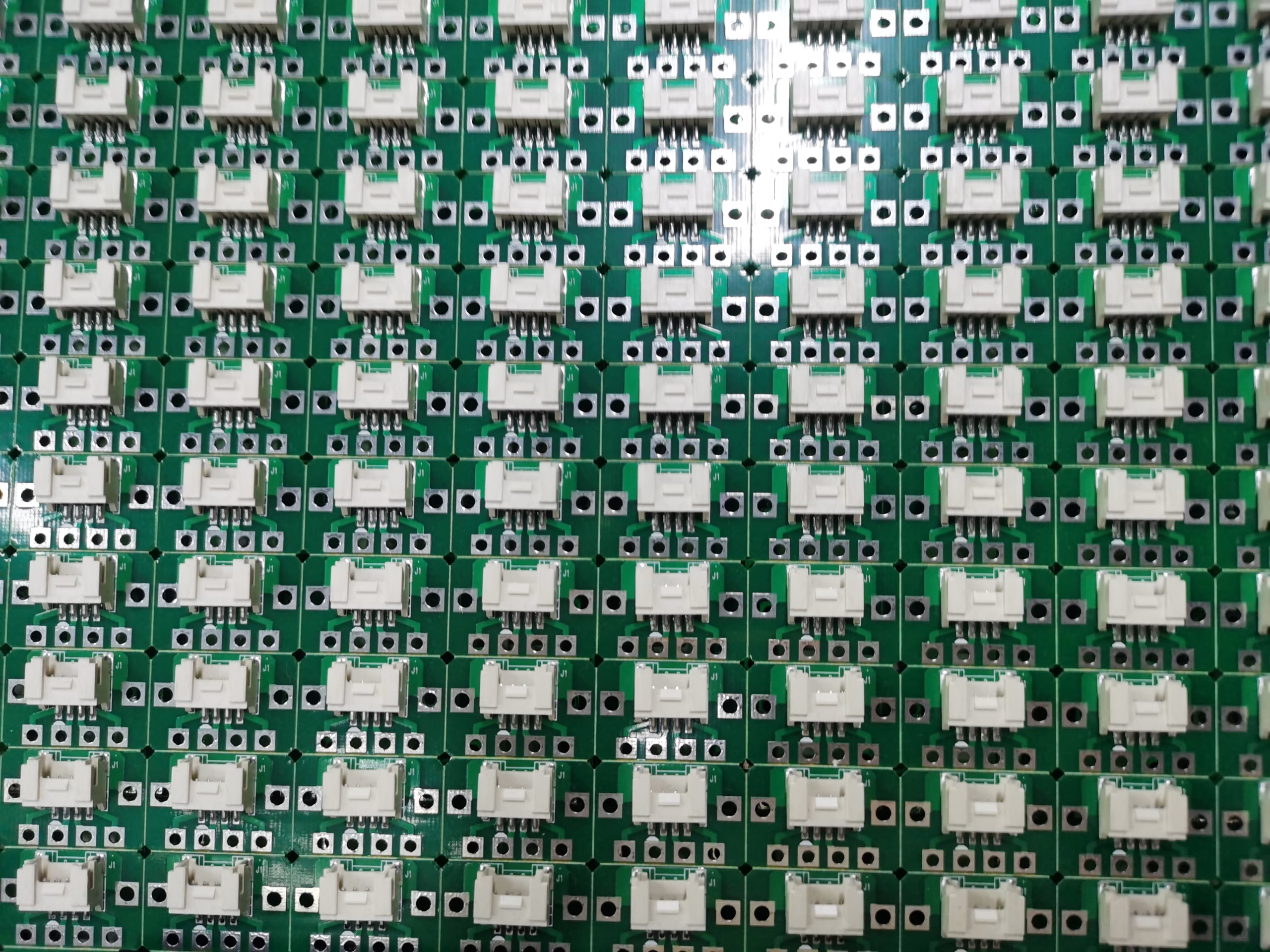
Hobby PCB manufacturing allows you to create custom boards for your projects. It gives you control over your design and components, which is ideal for unique or small-scale electronic projects. Here’s why you should consider it:
PCB
Design Freedom
  • Create boards that fit your specific project needs
  • Experiment with different layouts and components
Learning Opportunity
  • Gain hands-on experience with PCB design and fabrication
  • Understand the full process of electronic product development
Cost Savings
  • Avoid the high costs of mass-produced boards for small projects
  • Iterate designs without large financial commitments
Customization
  • Add personal touches like custom silkscreen designs
  • Choose specific materials or finishes for your board

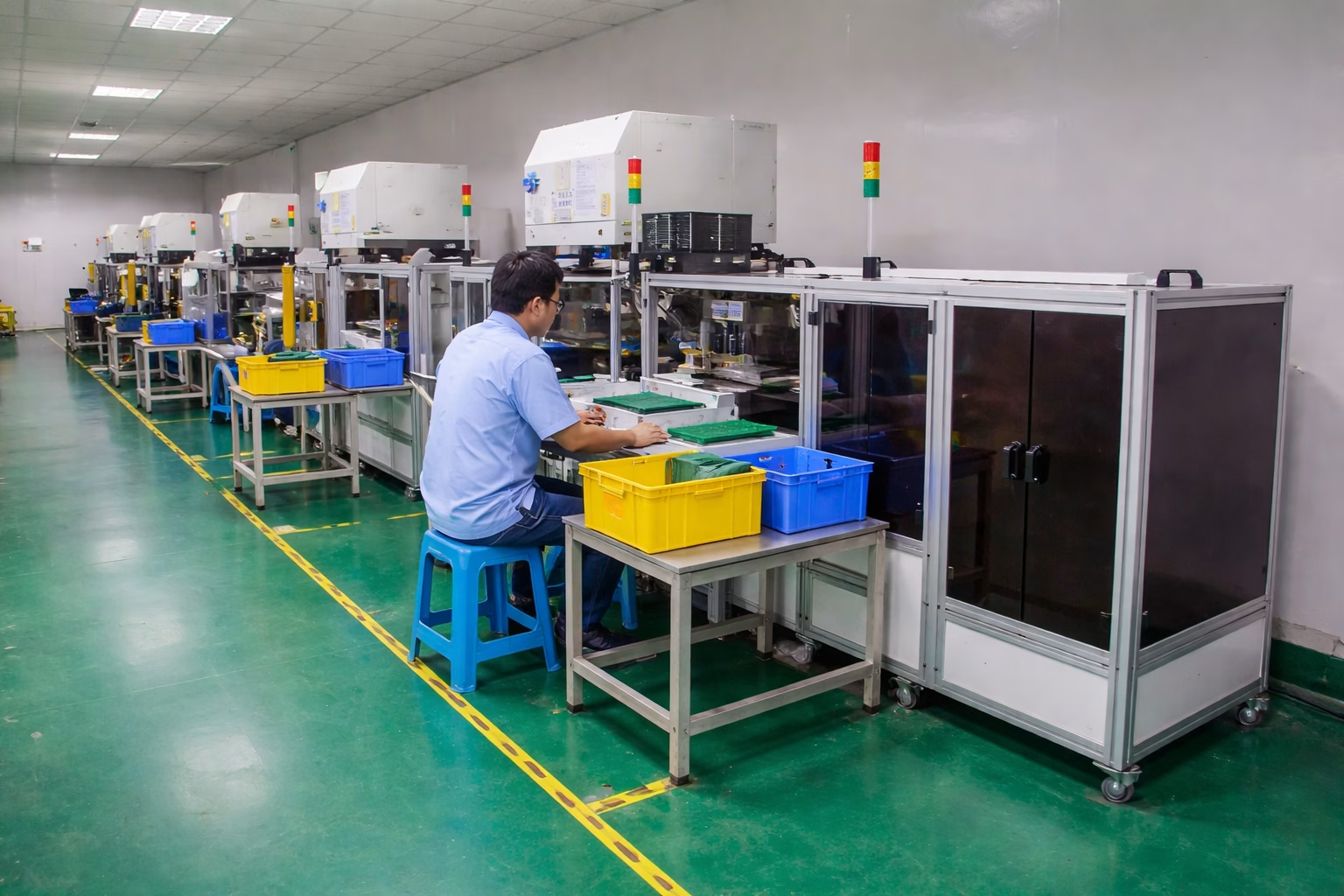
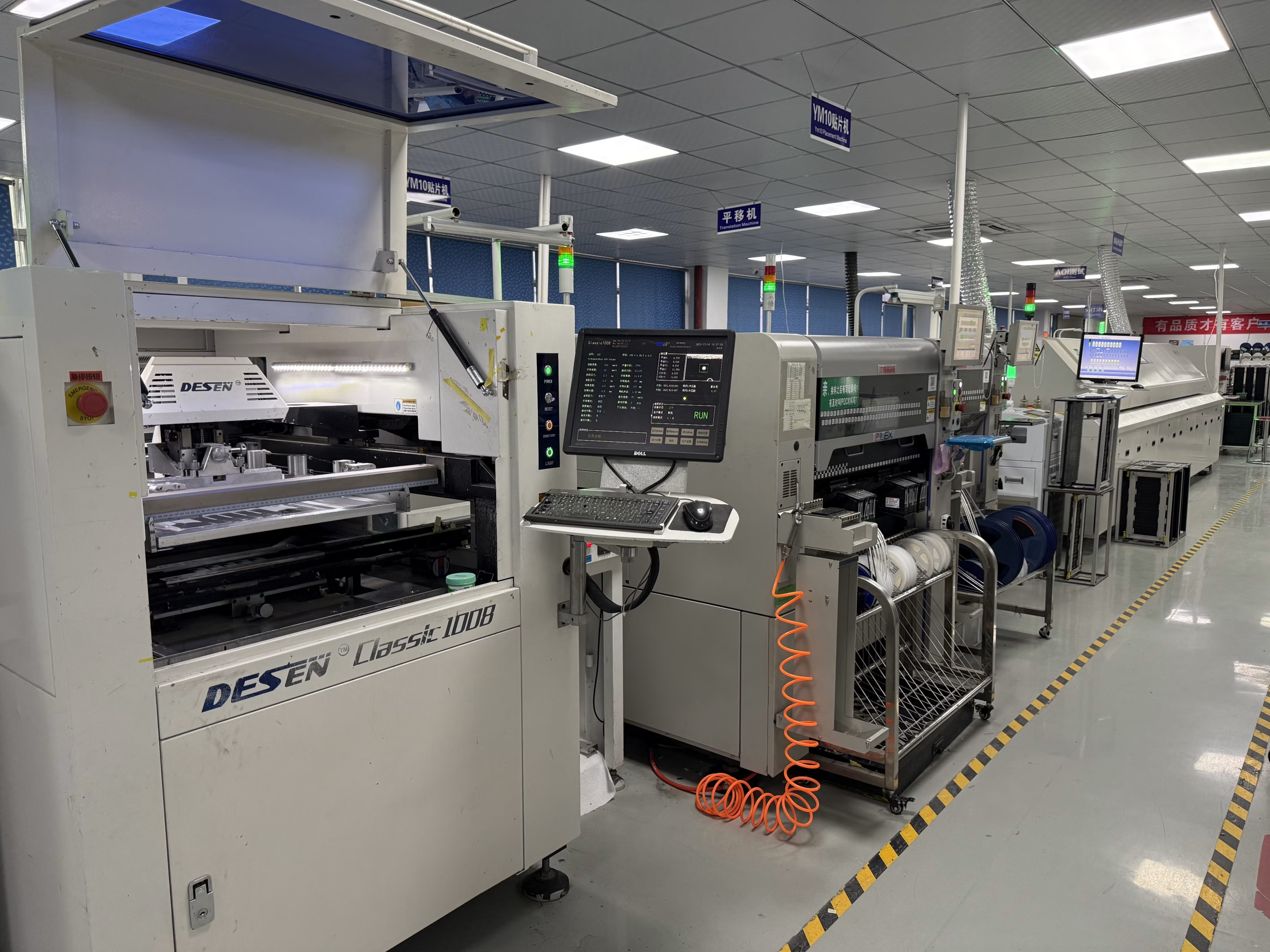
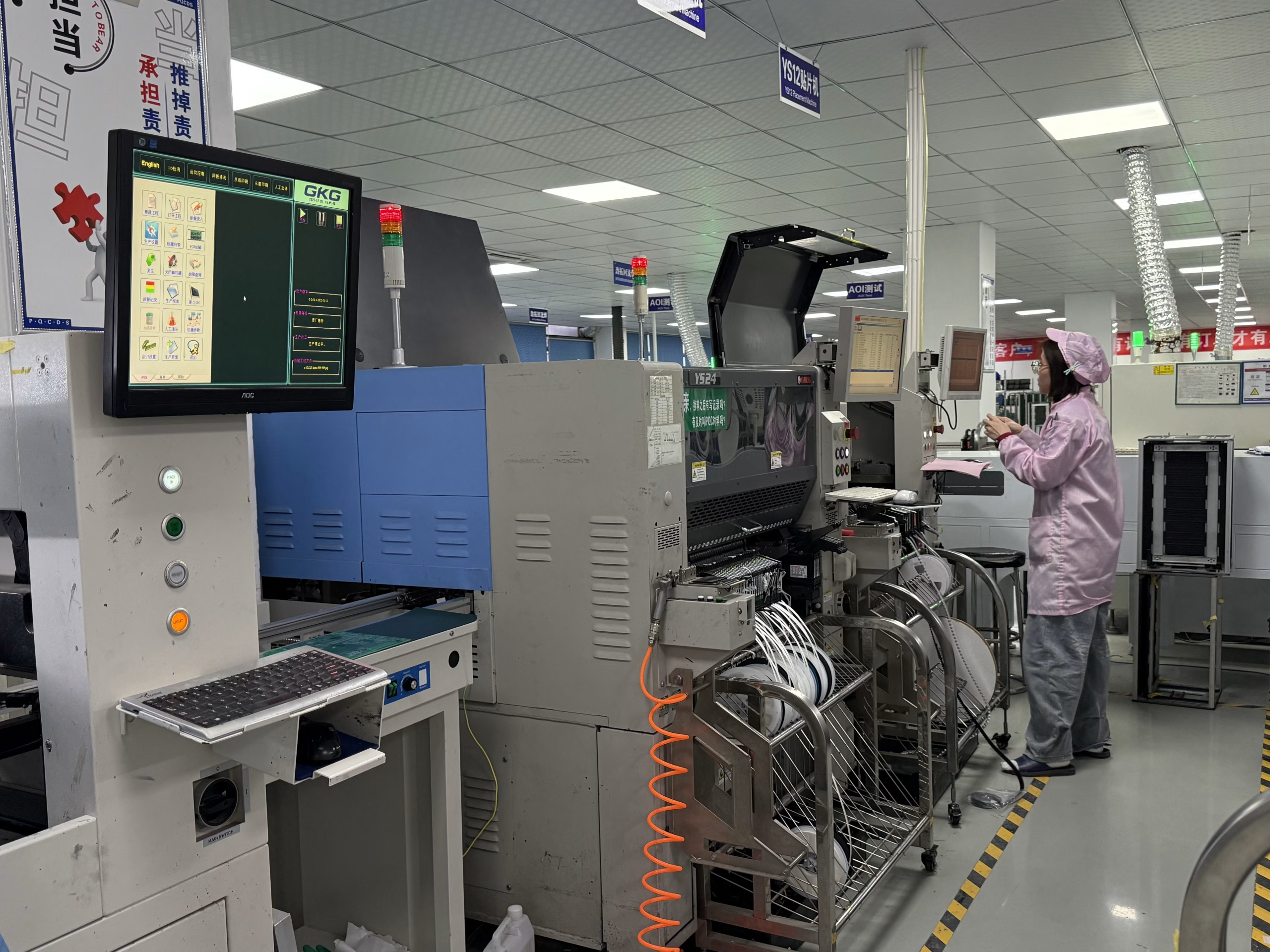
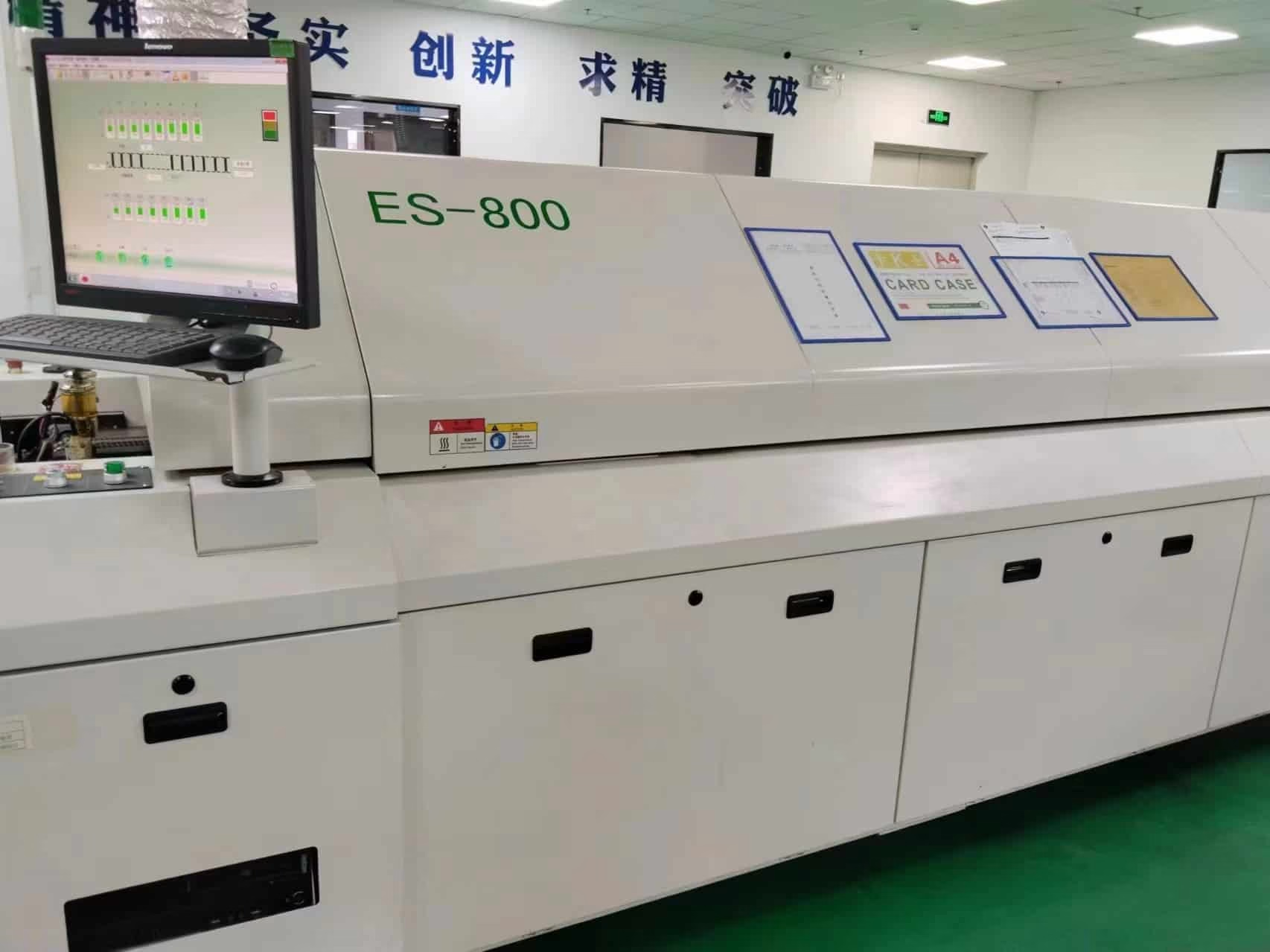
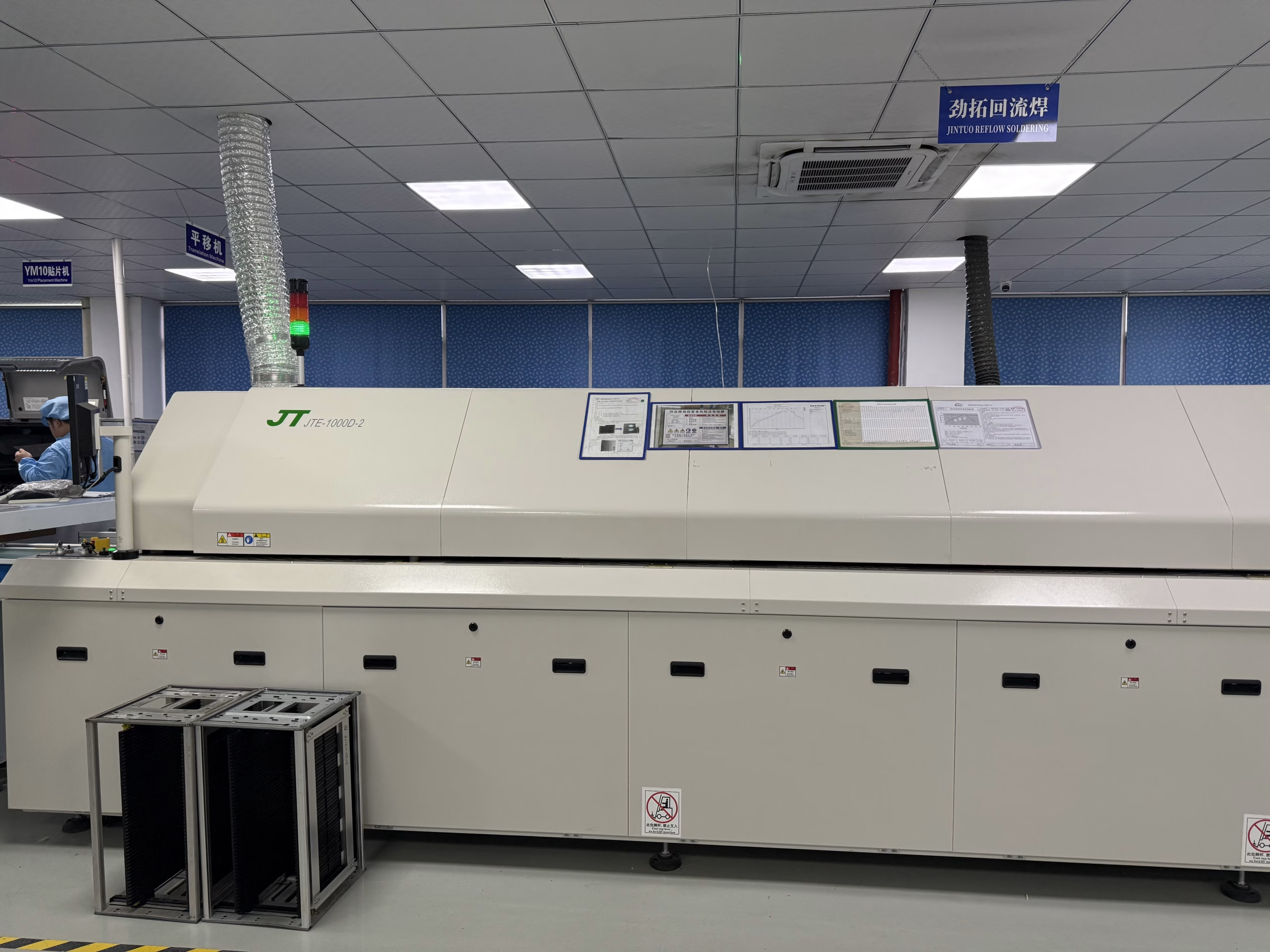
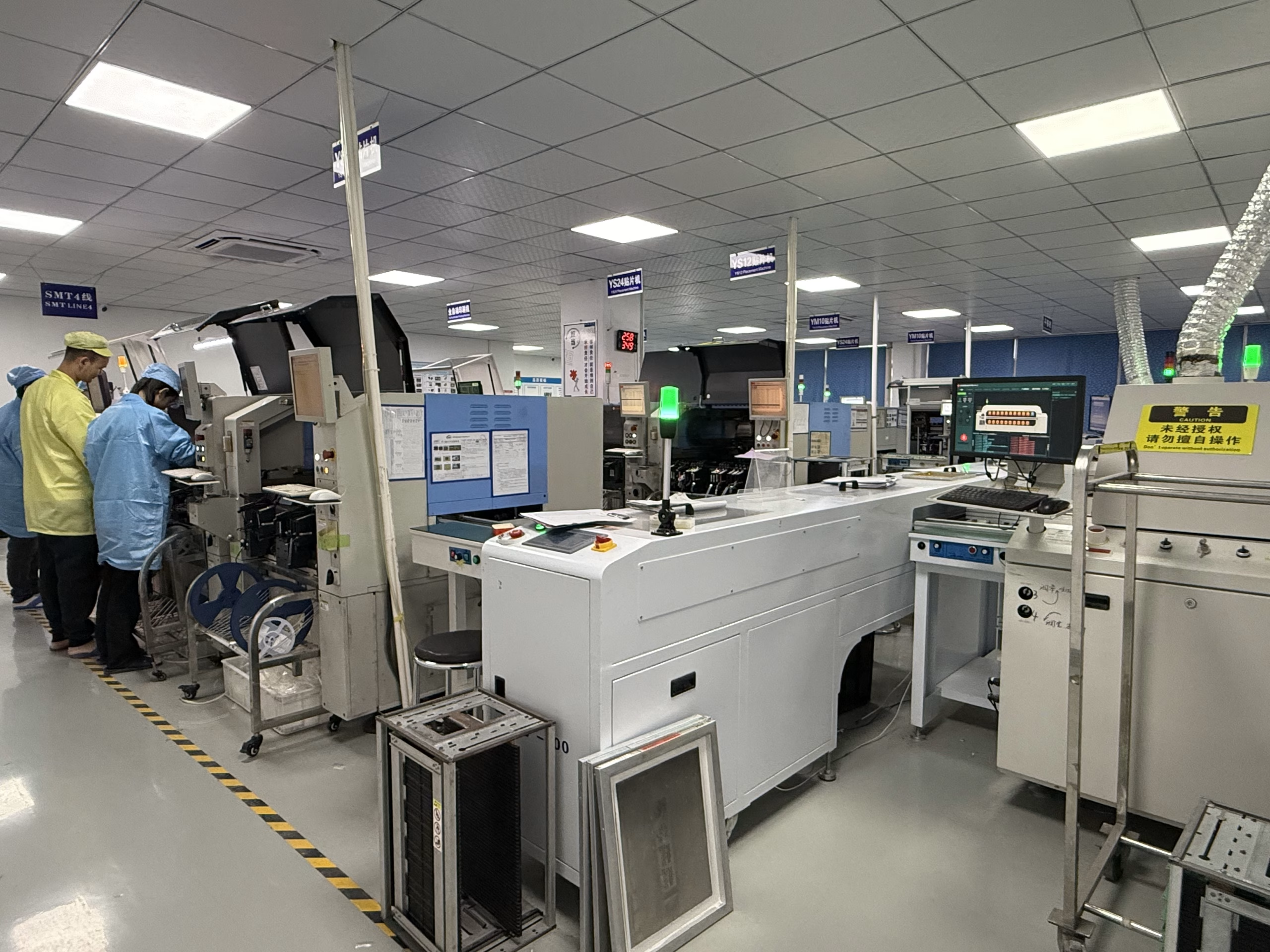
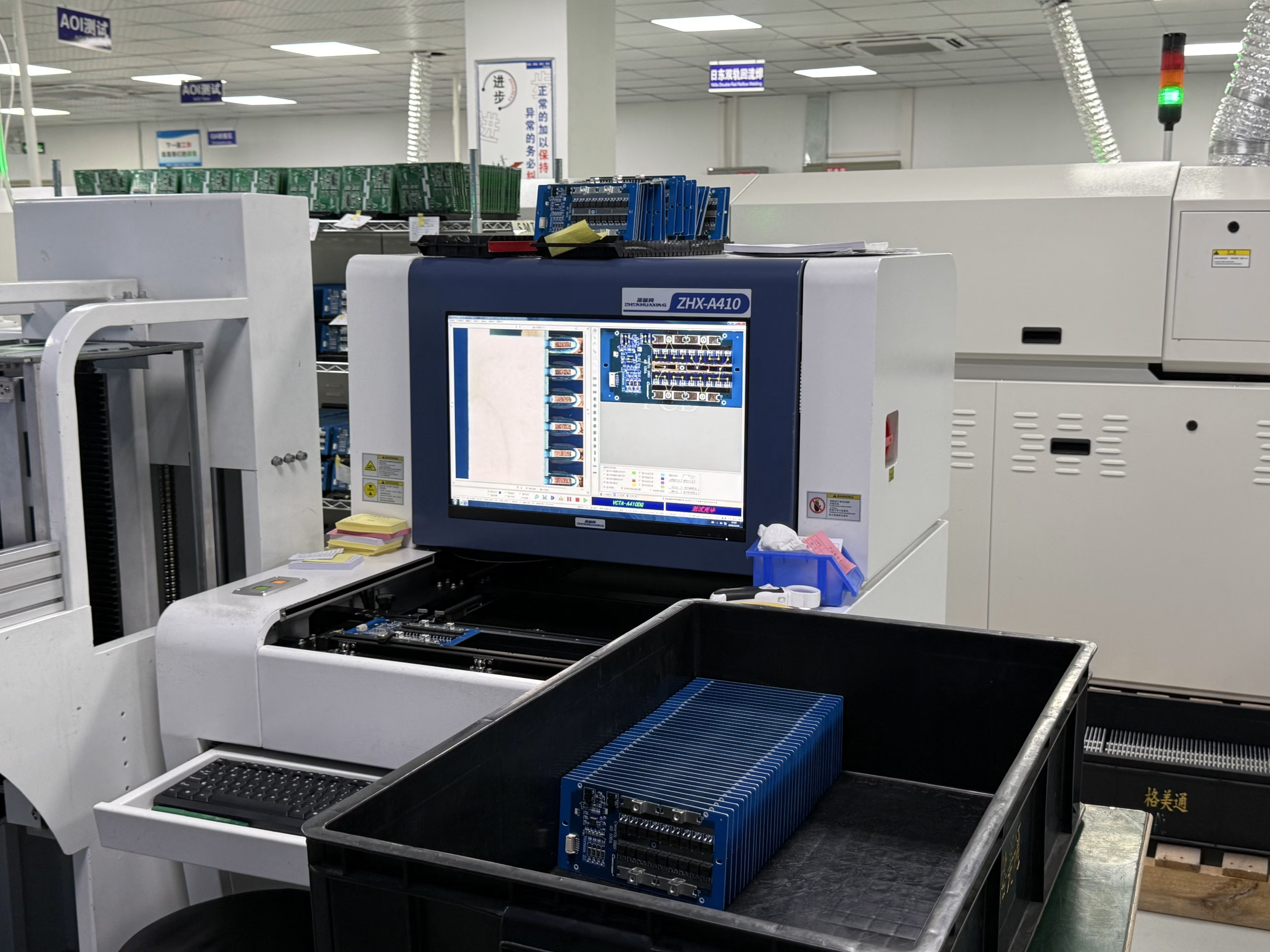
PCB Factory Gallery
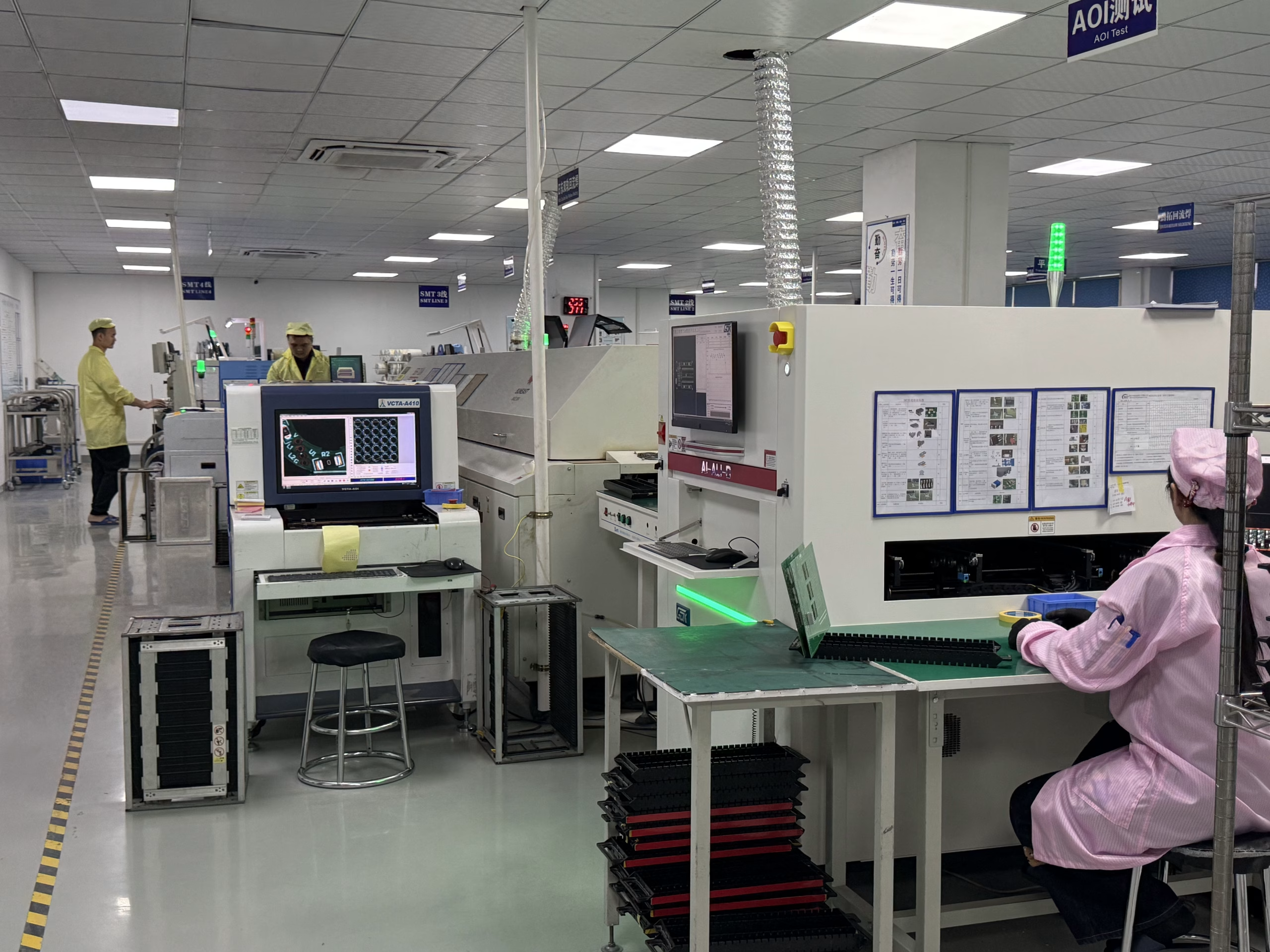
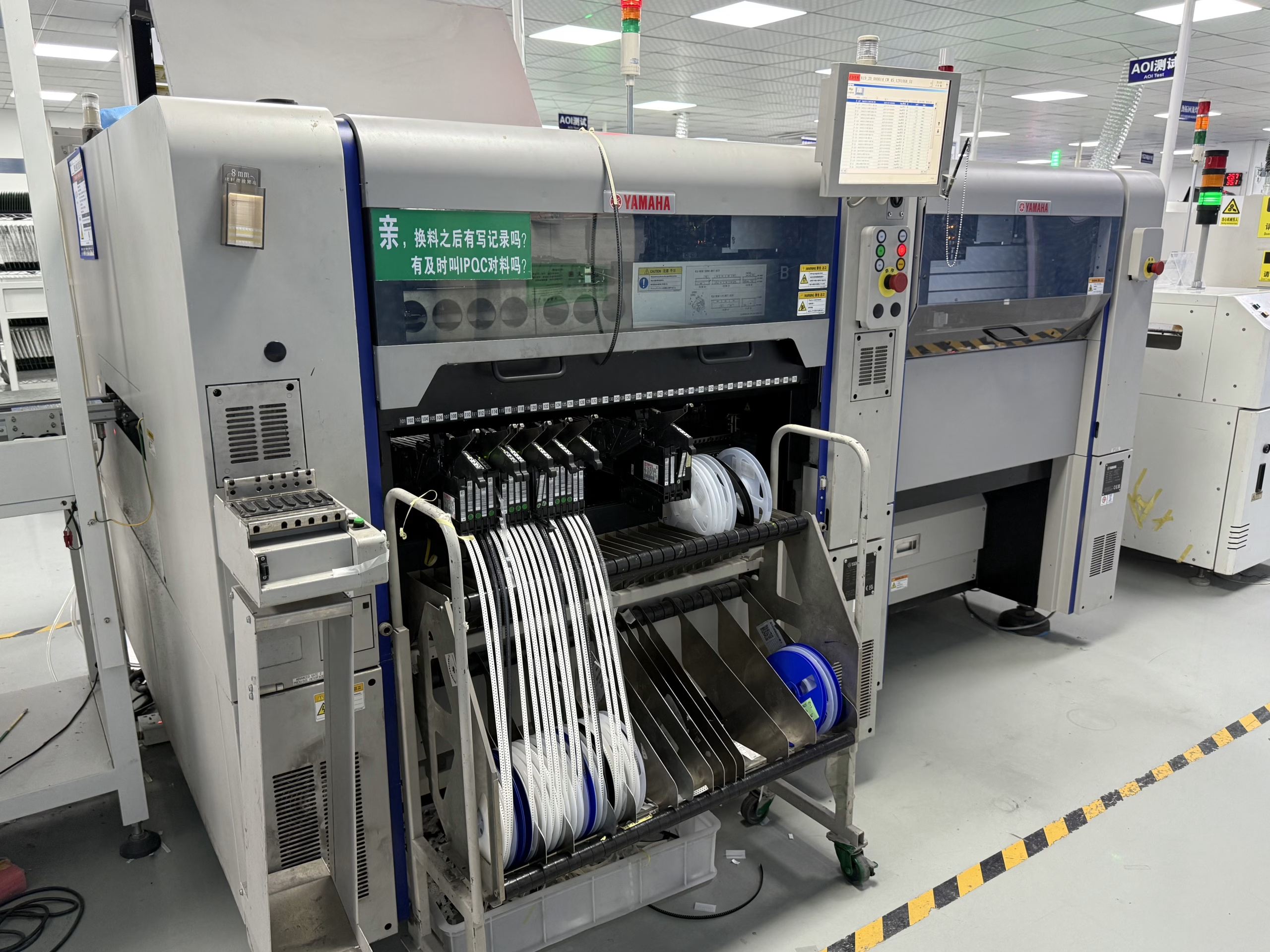
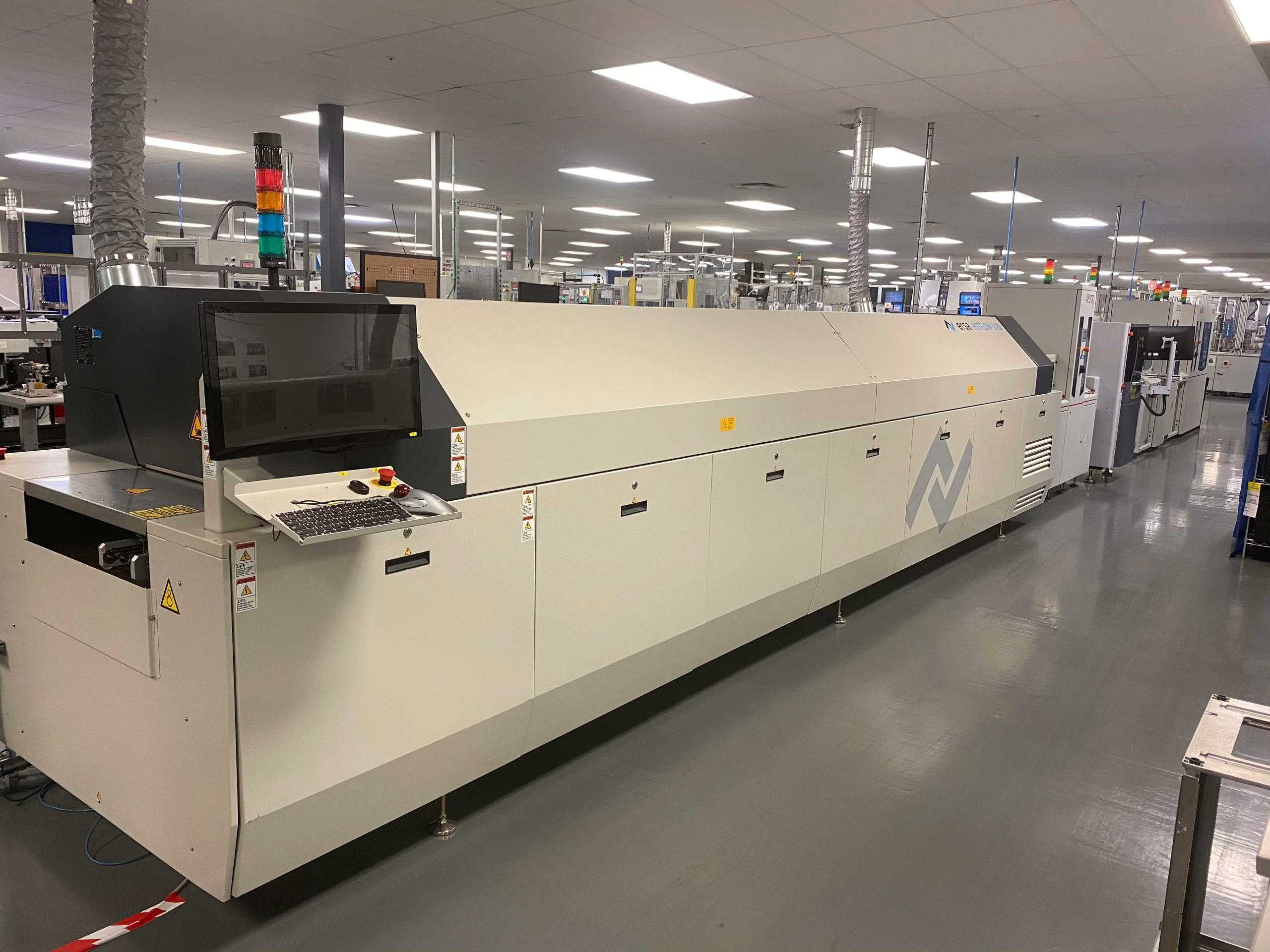
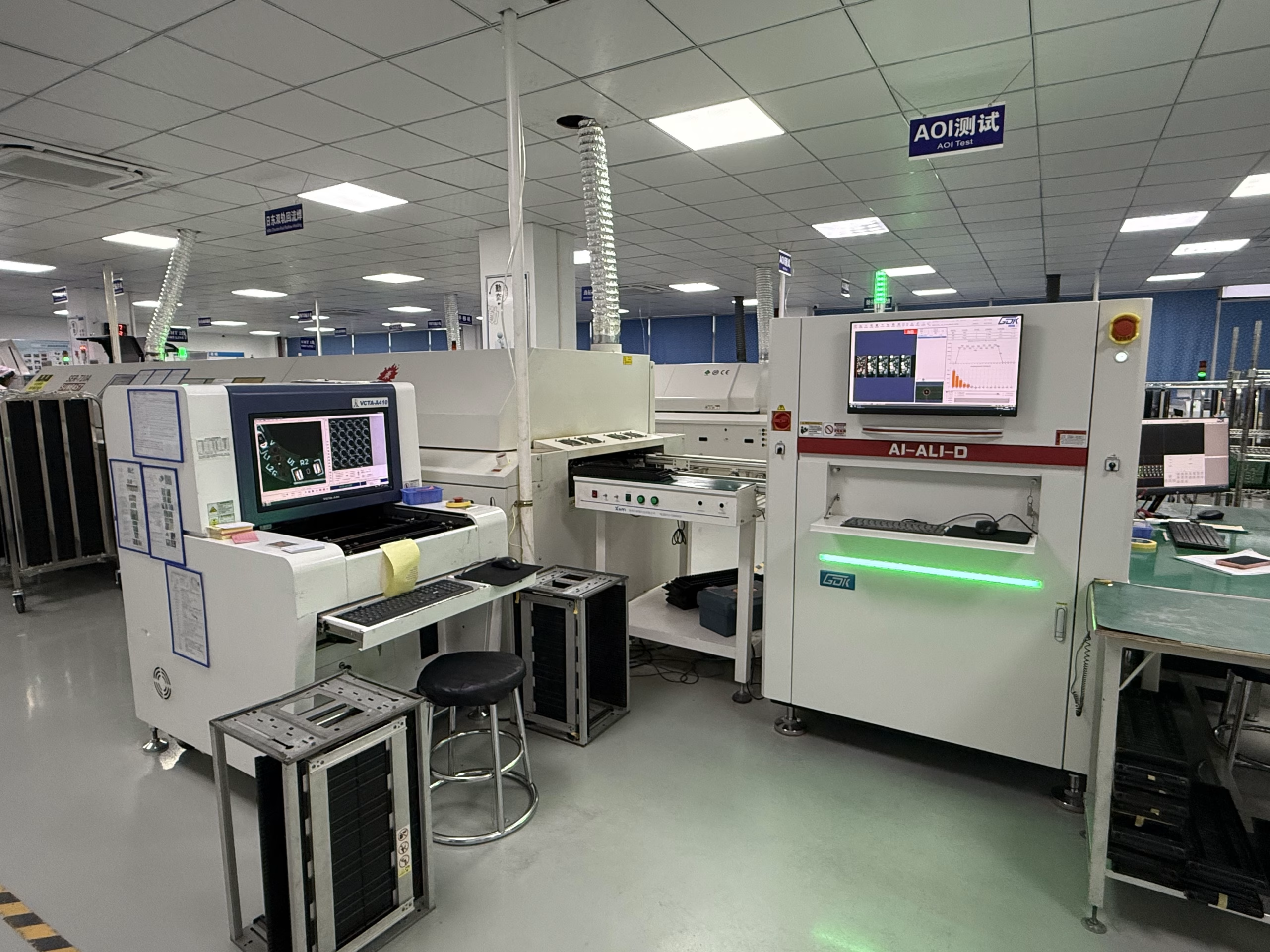
Factory - PCBAndAssembly
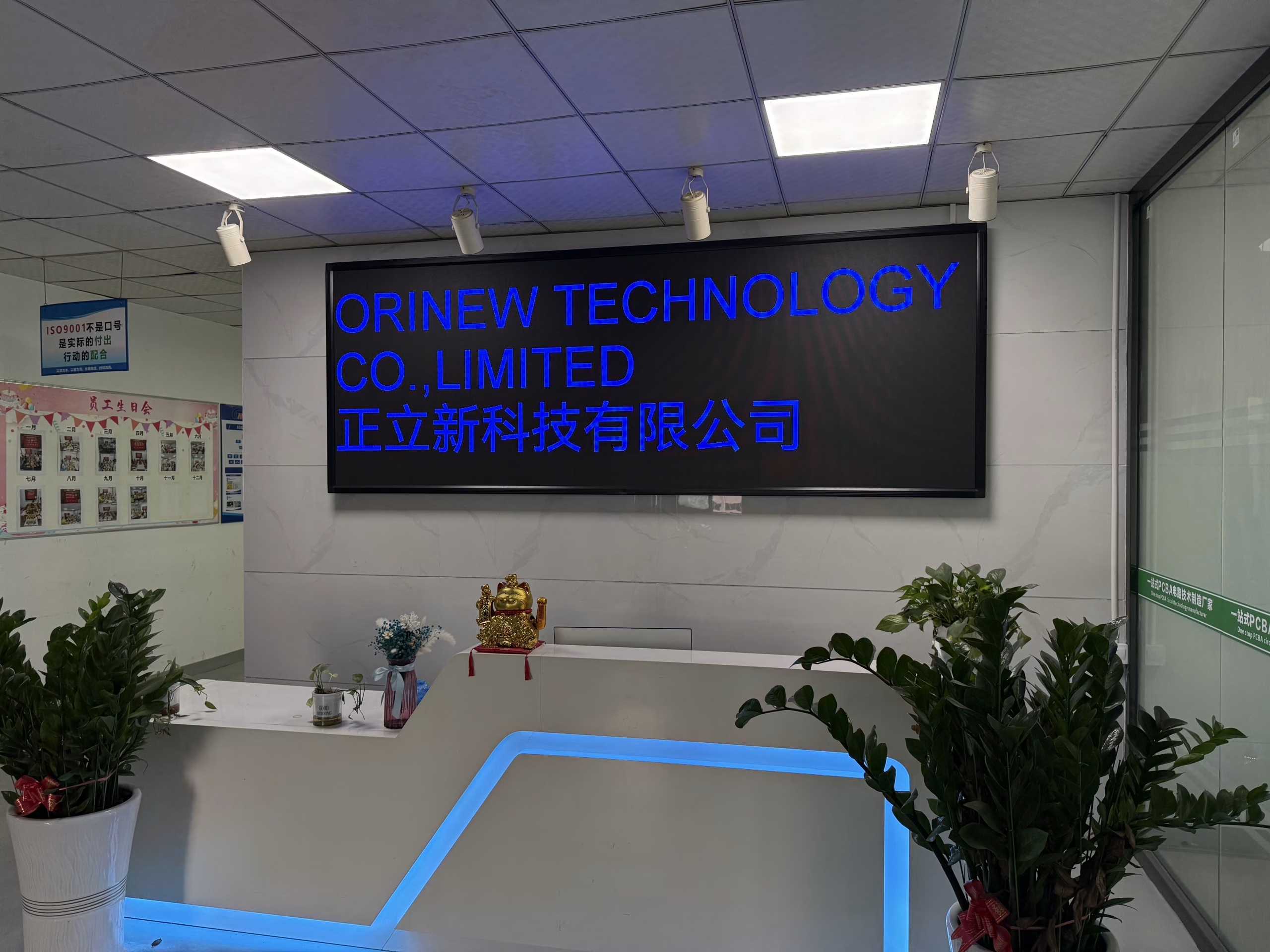
PCBAndAssembly Company reception
Factory - PCBAndAssembly

Hobby PCB Fabricator | FAQs

Yes. We can manufacture hobby circuit boards with custom outlines, cutouts, and routing. Include the shape specifications in your Gerber files or contact us for assistance before starting the fabrication process.

Yes. We provide lead-free surface finishes such as lead-free HASL and ENIG finishes for both PCB fabrication and PCB assembly orders. This is important for hobbyists who want to build environmentally friendly or RoHS-compliant projects.

Yes. We offer stencil production as part of our order service. A stencil can help hobbyists apply solder paste accurately when assembling SMD components, improving the precision and reliability of their projects.

Hobbyists can use various PCB design software depending on their experience and project needs. Altium Designer offers professional-level features suitable for advanced designs. AutoCAD Eagle is user-friendly and supports more complex hobby projects.

KiCad and EasyEDA are excellent free options that balance ease of use and flexibility for beginners and experienced hobbyists. Fritzing is ideal for beginners creating simple circuits or educational projects. All these tools allow the export of Gerber files required for PCB fabrication.

Hobbyists often overlook design rules such as keeping trace lengths short, avoiding very small annular rings, and allowing proper clearance between traces and vias. Mislabeling components or skipping DRC checks can also lead to errors that prevent successful fabrication. Using PCB design software with built-in rule checks, choosing larger trace widths when possible, and carefully reviewing Gerber files before submission can help avoid these common mistakes.