Reliable Medical PCB Assembly for Life-Saving Electronic Devices
Medical PCB assembly delivers the safety and reliability standards that modern medical devices demand, with certified quality management and full regulatory compliance. We provide medical PCBA solutions for implantable, diagnostic, and monitoring devices with fast turnaround times and flexible order quantities.
- Medical device PCB assembly with advanced HDI and flexible circuit capabilities
- Complete assembly services from fabrication through testing and documentation
- Fast 5-7 day turnaround with minimum order quantities of just 1 unit
14+
Years Experience
98.15%
On-Time Delivery
96%
customer satisfaction rate
99%
Quality Pass Rate
Medical PCB Assembly Services for Regulated Healthcare Applications
Medical PCB assembly requires IPC Class 3 build quality, ISO 13485-certified quality management, and full traceability of materials and processes from incoming inspection through final packaging.
At PCBAndAssembly, our medical PCB manufacturing workflow integrates Class 3 circuit board fabrication, microelectronics packaging, and FDA-aligned process control to meet stringent medical device requirements. Our advanced medical PCBA builds include HDI stackups with laser-drilled microvias, via-in-pad structures with epoxy sealing, 0.2 mm BGA pad pitch capabilities, and differential impedance tolerance of ±5 Ω.
Our precision assembly processes handle fine-pitch SMT components with 0.15 mm QFP spacing and ±30 μm placement accuracy. Each medical circuit board assembly integrates comprehensive process checkpoints such as solder joint integrity verification, AOI, solderability testing, micro-section analysis, and ionic contamination testing under NaCl equivalents below 1.56 μg/cm².
We maintain full documentation including reflow profiles, lot tracking, calibration logs, and nonconformance resolutions to support compliance with FDA 21 CFR Part 820, IPC-A-610 Class 3, and IEC 60601-1 standards. Our dual ISO 9001 and ISO 13485 certifications ensure consistent quality management across all medical PCB manufacturing processes.
Medical PCB assembly is evolving rapidly in response to rising device complexity, miniaturization, and regulatory enforcement across global markets. Our assembly solutions meet the highest standards of performance for electronic medical devices, including implantables and diagnostic systems, with complete lifecycle support from BOM sourcing through AOI and functional circuit testing.

Our Medical PCB Assembly Capabilities
Supported stackups include 1+n+1 to 8+n+8, enabling high-speed routing with impedance tolerances of ±5 Ω.
These HDI PCB assemblies suit signal-critical systems such as pacemakers and neurostimulators.
| Capability | Specification |
| Rigid PCB | 1–64 layers |
| Flexible PCB | 1–10 layers |
| Rigid-Flex PCB | 2–30 layers |
| Laser-Drilled Microvia Diameter | Ø0.75 mm (3 mil) |
| HDI Stackup Configurations | 1+n+1 to 8+n+8 |
| Impedance Tolerance | ±5 Ω (Single-ended ≤50 Ω) |
| Lamination Control | Dielectric thickness tolerance ±10% |
| Minimum Trace/Space | 1.8 mil / 1.8 mil |
| Aspect Ratio (Via) | Up to 40:1 |
| Via Types Supported | Blind, buried, via-in-pad, stacked vias |
| Common Use Cases | Pacemakers, neurostimulators, wearable ECG |
Our SMT platforms achieve 0.15 mm QFP spacing, 0.2 mm BGA pad pitch, and ±30 µm placement repeatability (3σ, Cpk ≥1).
We support medical PCBA integration of chip-scale packages (CSPs), CoB, and flip chip with underfill, plus epoxy-dispensed die attach with uniformity control below ±5 µm. Wire bonding is available for gold and aluminum.
We assemble flexible printed circuit boards using PI-based laminates (1 to 10 layers, thickness 0.05–0.8 mm) with overlay color matching and contour routing tolerances to ±0.1 mm.
Rigid-flex builds incorporate blind/buried vias, dynamic bend regions (<2 mm radius), and resin-padded interconnect zones for embedded medical equipment and surgical tooling.
We source and laminate Rogers RO4350B, RO3003, and RO3010; Taconic TLX and RF-35; and Arlon 85N.
These materials offer Dk values between 2.2 and 10.2 and Df as low as 0.0013, with z-axis CTEs under 40 ppm/°C and thermal conductivity from 0.20 to 0.95 W/m·K.
Material selection is guided by your specific frequency range, target impedance, and thermal loading profile.
PCBAndAssembly supports hybrid assembly using THT and SMT for components including transformers, shielded inductors, and connector systems.
Plated through-hole diameters from 0.3 mm with annular ring tolerances of ±75 µm. Joints meet Class 3 soldering requirements, verified by cross-section analysis and thermal shock testing from −40 °C to +125 °C.
We issue component-level traceability with BOM lot records, C of C, RoHS/REACH declarations, and serialized barcode labeling.
Quality documentation includes first article inspection, reflow profiles, AOI logs, ionic cleanliness test reports, and tool calibration records, aligning with ISO 13485, FDA QSR, and IEC 60601 mandates.
Each document type corresponds to a specific standard: IPC-A-610 for soldering, IPC-A-600 for board acceptability, ISO 13485 Clause 7.5.1 for process validation, and 21 CFR 820.30 for design controls.
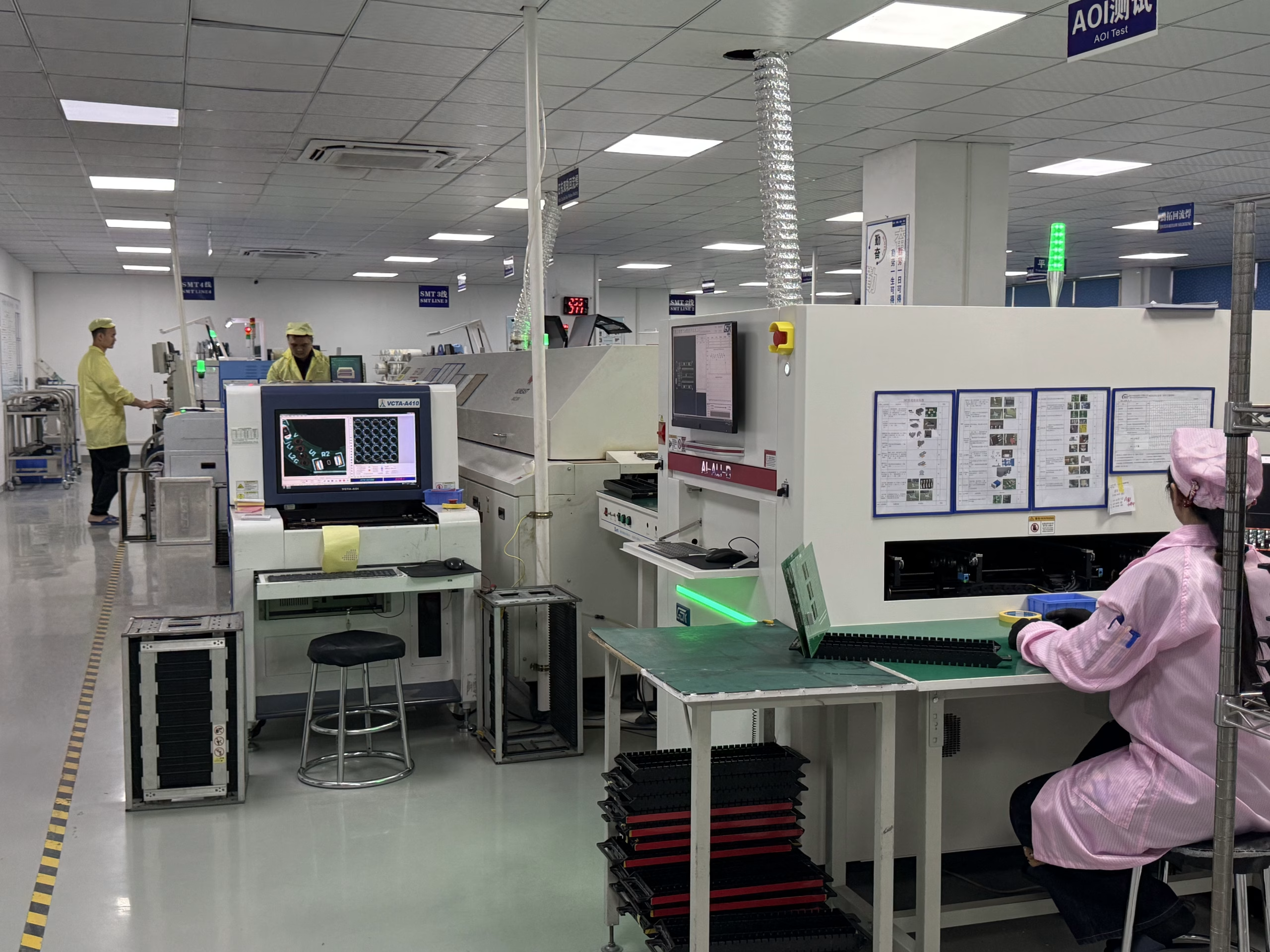
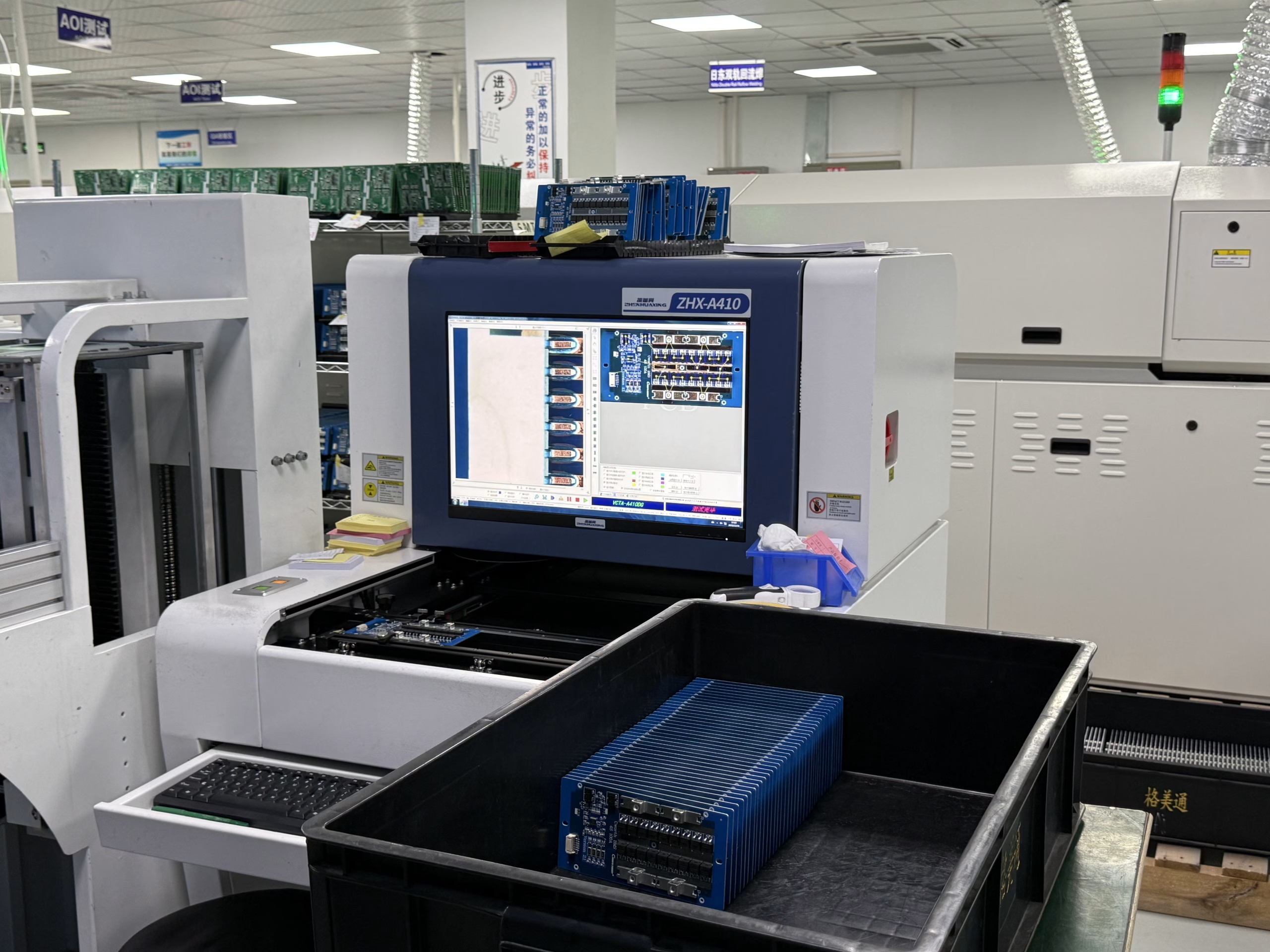
2D and 3D AOI performed at 5 µm resolution verifies solder joint geometry, polarity, and orientation.
TDR (time-domain reflectometry) validates trace impedance for RF paths. Ionic contamination thresholds are controlled below 1.56 µg/cm² NaCl equivalent.
Additional tests include flying probe, micro-section, peel, and solderability testing per IPC-TM-650.
We support device PCB prototyping with MOQ = 1 and lead times from 3 to 5 working days, depending on assembly complexity.
Design for manufacturing (DFM) and design for assembly (DFA) reviews cover stencil aperture validation, thermal pad exposure checks, and test point optimization to reduce revision cycles.
Assembly is performed under controlled conditions for cleanroom compatibility.
Conformal coatings include parylene and silicone options for moisture protection and cytotoxicity compliance.
Substrates like RO3003, TMM10, and PTFE with low Dk (3.0–3.5) and Df (<0.002) support high-frequency medical applications such as imaging and telemetry systems.
Medical PCB Assembly Services for Regulated Healthcare Applications
Medical PCB assembly requires IPC Class 3 build quality, ISO 13485-certified quality management, and full traceability of materials and processes from incoming inspection through final packaging.
At PCBAndAssembly, our medical PCB manufacturing workflow integrates Class 3 circuit board fabrication, microelectronics packaging, and FDA-aligned process control to meet stringent medical device requirements. Our advanced medical PCBA builds include HDI stackups with laser-drilled microvias, via-in-pad structures with epoxy sealing, 0.2 mm BGA pad pitch capabilities, and differential impedance tolerance of ±5 Ω.
Our precision assembly processes handle fine-pitch SMT components with 0.15 mm QFP spacing and ±30 μm placement accuracy. Each medical circuit board assembly integrates comprehensive process checkpoints such as solder joint integrity verification, AOI, solderability testing, micro-section analysis, and ionic contamination testing under NaCl equivalents below 1.56 μg/cm².
We maintain full documentation including reflow profiles, lot tracking, calibration logs, and nonconformance resolutions to support compliance with FDA 21 CFR Part 820, IPC-A-610 Class 3, and IEC 60601-1 standards. Our dual ISO 9001 and ISO 13485 certifications ensure consistent quality management across all medical PCB manufacturing processes.
Medical PCB assembly is evolving rapidly in response to rising device complexity, miniaturization, and regulatory enforcement across global markets. Our assembly solutions meet the highest standards of performance for electronic medical devices, including implantables and diagnostic systems, with complete lifecycle support from BOM sourcing through AOI and functional circuit testing.
Why Choose PCBAndAssembly for Your Medical PCB Assembly?
ISO 13485 and Class 3 Assembly for Medical Devices
We operate under an ISO 13485-certified quality management system aligned with FDA 21 CFR 820.
Advanced SMT and Microelectronics Assembly
Our SMT lines support BGA pad pitches down to 0.2 mm, QFPs with 0.15 mm spacing, and 01005 package assembly.
Controlled Impedance and Signal Testing Infrastructure
Flexible, Rigid, and Rigid-Flex Medical PCB Support
Cleanroom-Compatible Assembly Services and Testing
All circuit board assemblies undergo AOI, solderability testing, and ionic contamination checks (<1.56 µg/cm² NaCl equivalent).
Integrated Fabrication and Assembly with Global Logistics
What are Medical PCBs?
Medical PCBs are printed circuit boards used in electronic medical devices where failure poses patient risk. These assemblies meet IPC Class 3 reliability standards and are built using high-Tg, low-loss laminates such as polyimide, Teflon, and RO3003 for thermal and electrical stability.
WellPCB fabricates medical PCBs with 1.8 mil trace widths, up to 28 oz copper, and dielectric control to ±10%. All medical PCBA builds include AOI, solderability testing, and ionic cleanliness control below 1.56 µg/cm² NaCl equivalent.
Our workflows are structured to align with FDA 21 CFR Part 820, which governs quality system regulation (QSR) for medical device manufacturing in the United States, and the standards maintained by the IPC (Association Connecting Electronics Industries), which defines global benchmarks for PCB design, performance, and assembly.
Applications range from wearable monitors to HDI neuromodulators, each requiring ISO 13485-compliant traceability, reflow documentation, and component lot tracking.
Common Applications of Medical PCBs
Implantable Devices
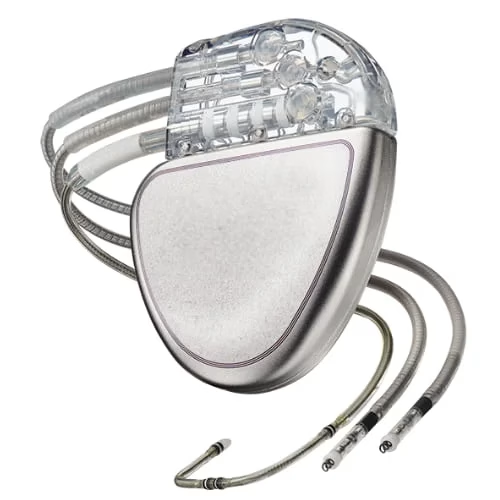
Pacemakers, defibrillators, and cochlear implants require medical PCBs with biocompatible materials, ultra-fine pitch assembly (≤0.2 mm), and sealed conformal coatings.
For example, impedance shifts in pacemaker PCBs due to trace width variation can lead to timing irregularities in cardiac output.
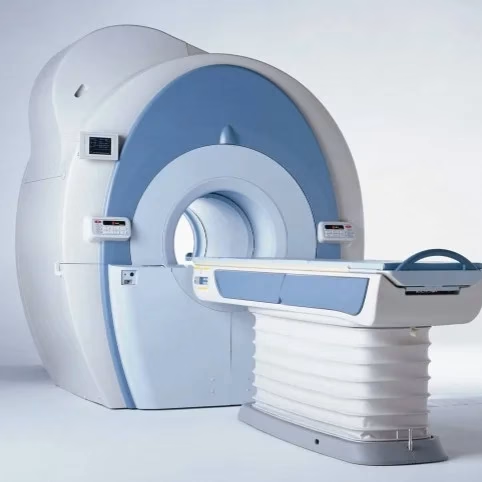
Diagnostic Imaging Equipment
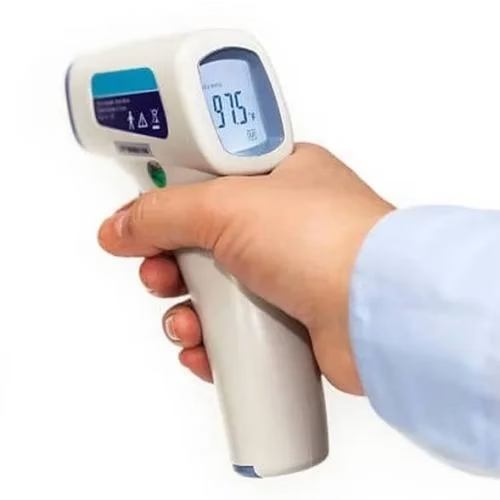
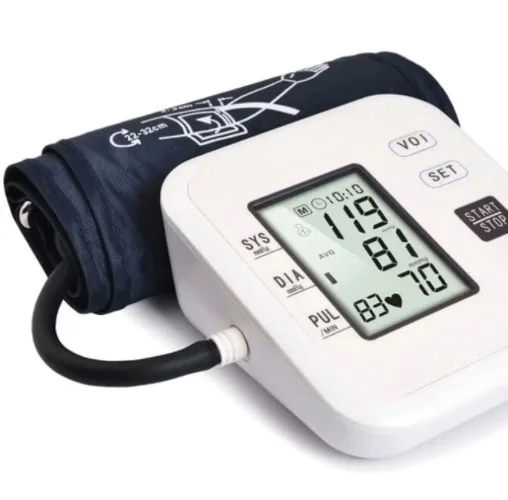
Patient Monitoring and Wearables
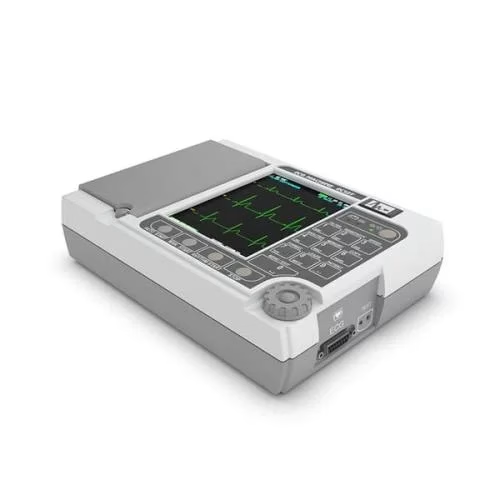
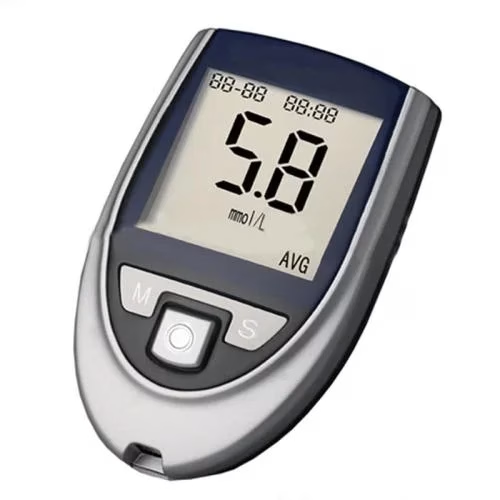
Glucose monitors, ECG recorders, and portable EEGs use flexible printed circuit boards with dynamic bend zones and compact form factors.
Surgical and Robotic Tools
Laboratory Diagnostic Equipment
We meet these requirements with multilayer circuit board design and solder joint validation protocols.
Design for Manufacturing Considerations for Medical PCBs
Medical PCB design must account for manufacturing constraints, inspection access, sterilization compatibility, and material biocompatibility. These DFM practices reduce failure rates, simplify testing, and support FDA-compliant documentation throughout the medical device lifecycle.
| DFM Element | Medical-Specific Consideration |
| Component Spacing | Maintain ≥0.25 mm spacing for 0.5 mm pitch devices to ensure AOI and X-ray access. |
| Thermal Management | Use thermal vias and 2 to 3 oz copper in high-power areas to limit component temperature rise. |
| Sterilization Compatibility | Select materials compatible with autoclave (121 °C steam), ethylene oxide (EtO), or gamma sterilization, including polyimide, PTFE, and RO4350B substrates. |
| Inspection and Test Access | Include exposed test points, fiducials, and BGA escape routes to support ICT and TDR probes. |
| Biocompatibility and Coatings | Apply parylene or silicone conformal coatings for cytotoxicity compliance in implantable builds. |
| Via-in-Pad Structures | Plug, cap, and planarize vias in pad to prevent voids under CSP and QFN devices. |
| Traceability Features | Add silkscreen fields for serial numbers, lot codes, and barcode tracking linked to QMS logs. |
| Moisture and Ionic Protection | Implement dry-pack sealing, conformal coating, and ionic residue control below 1.56 µg/cm². |
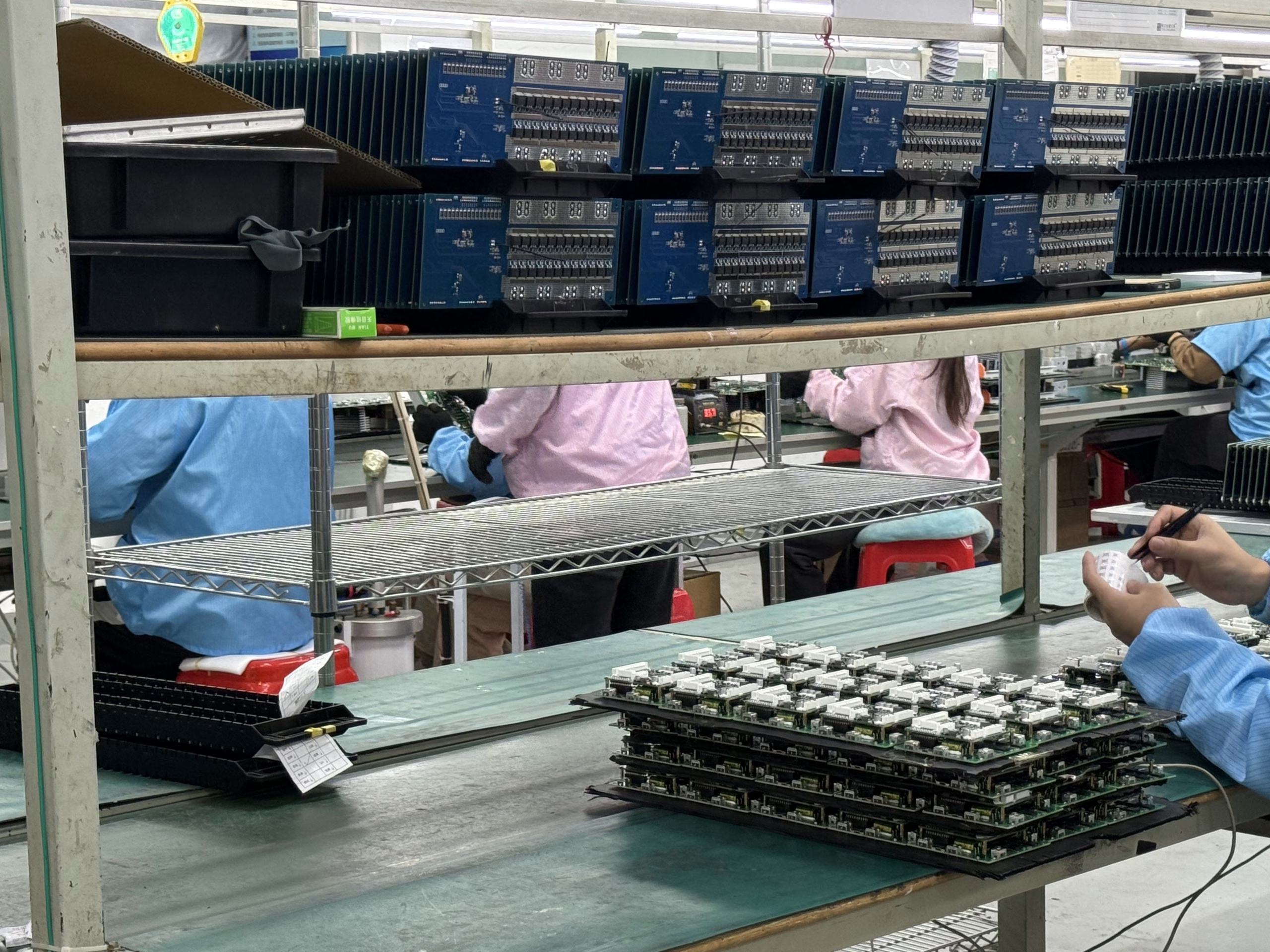
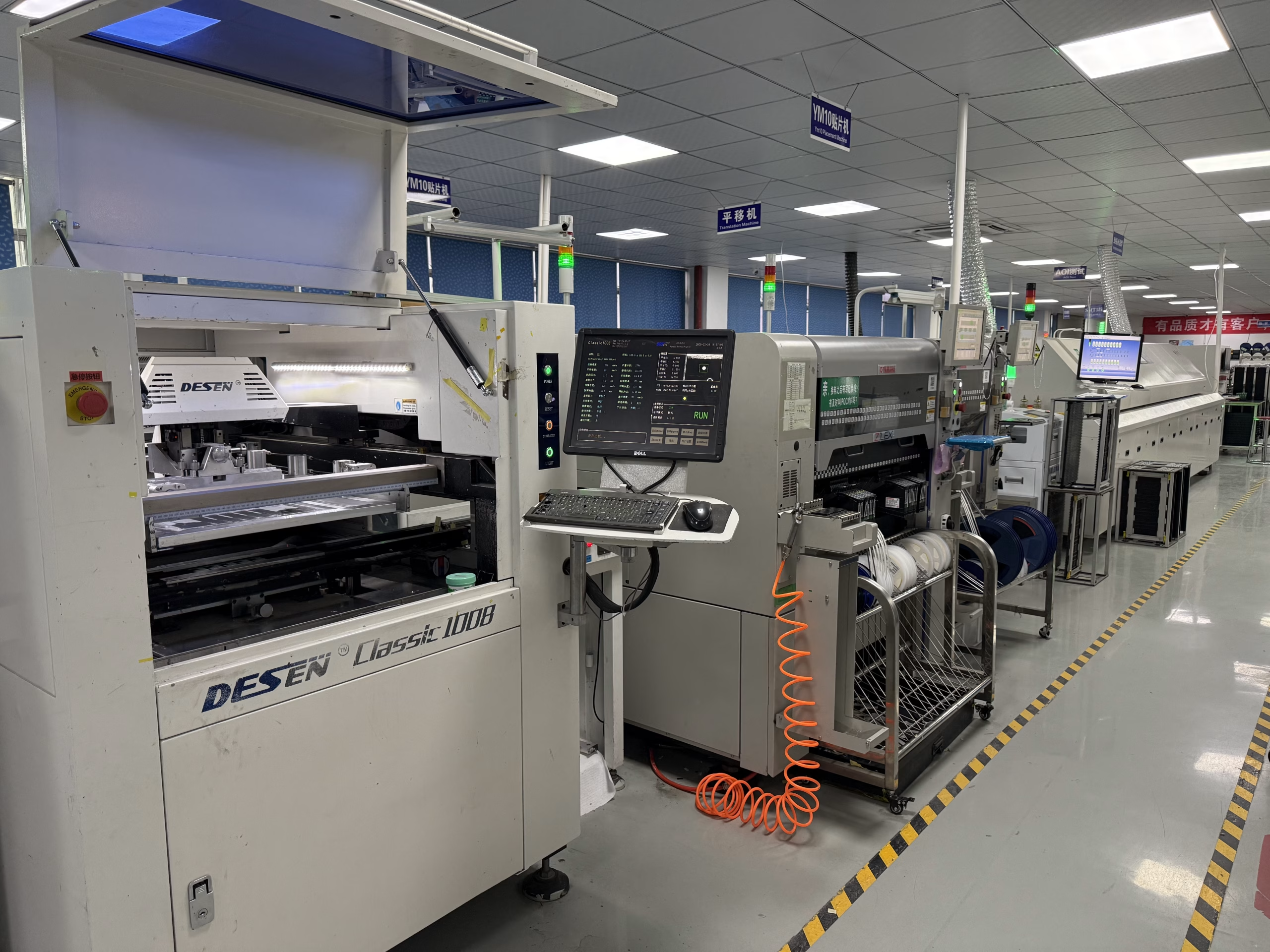
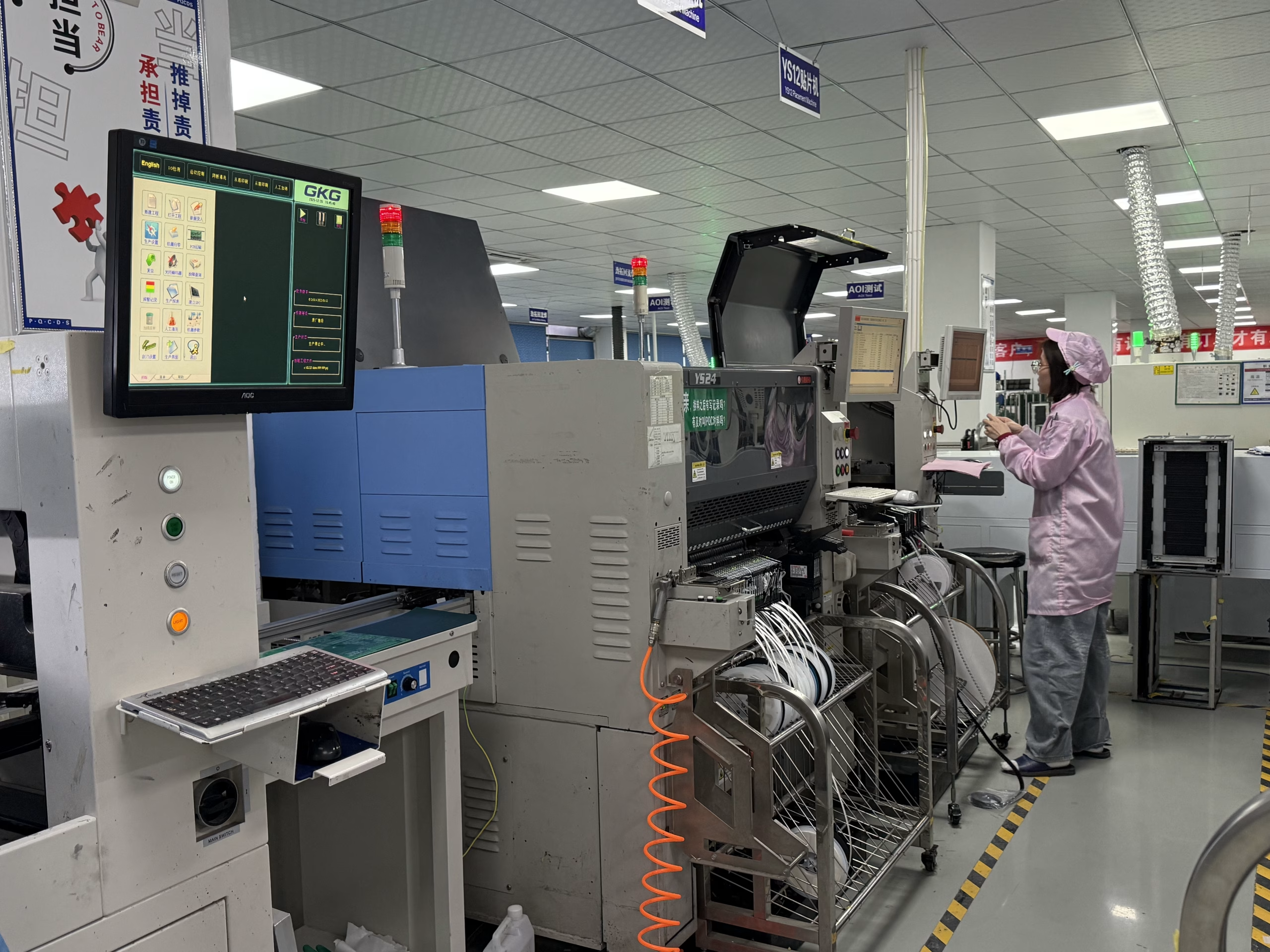
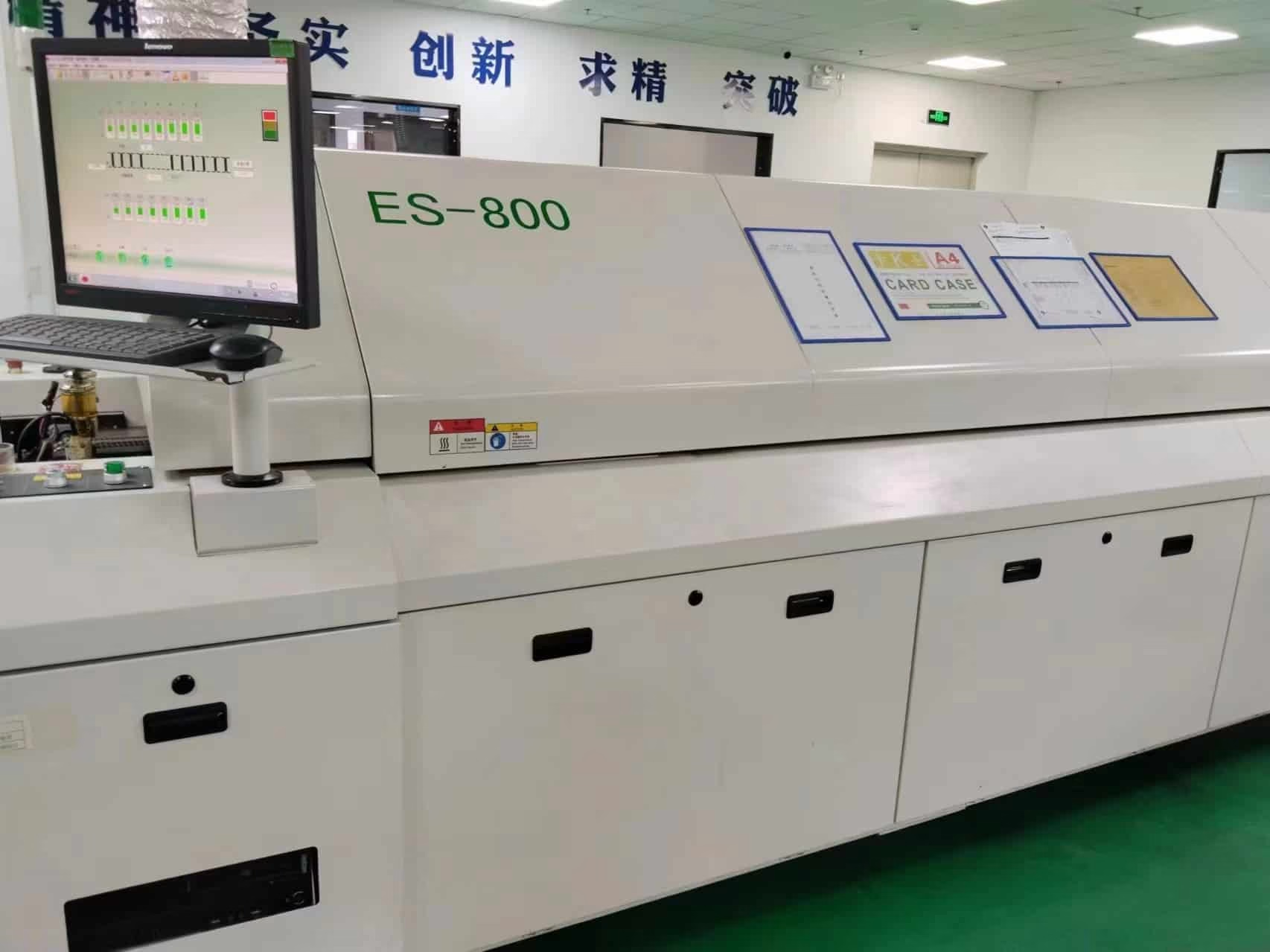
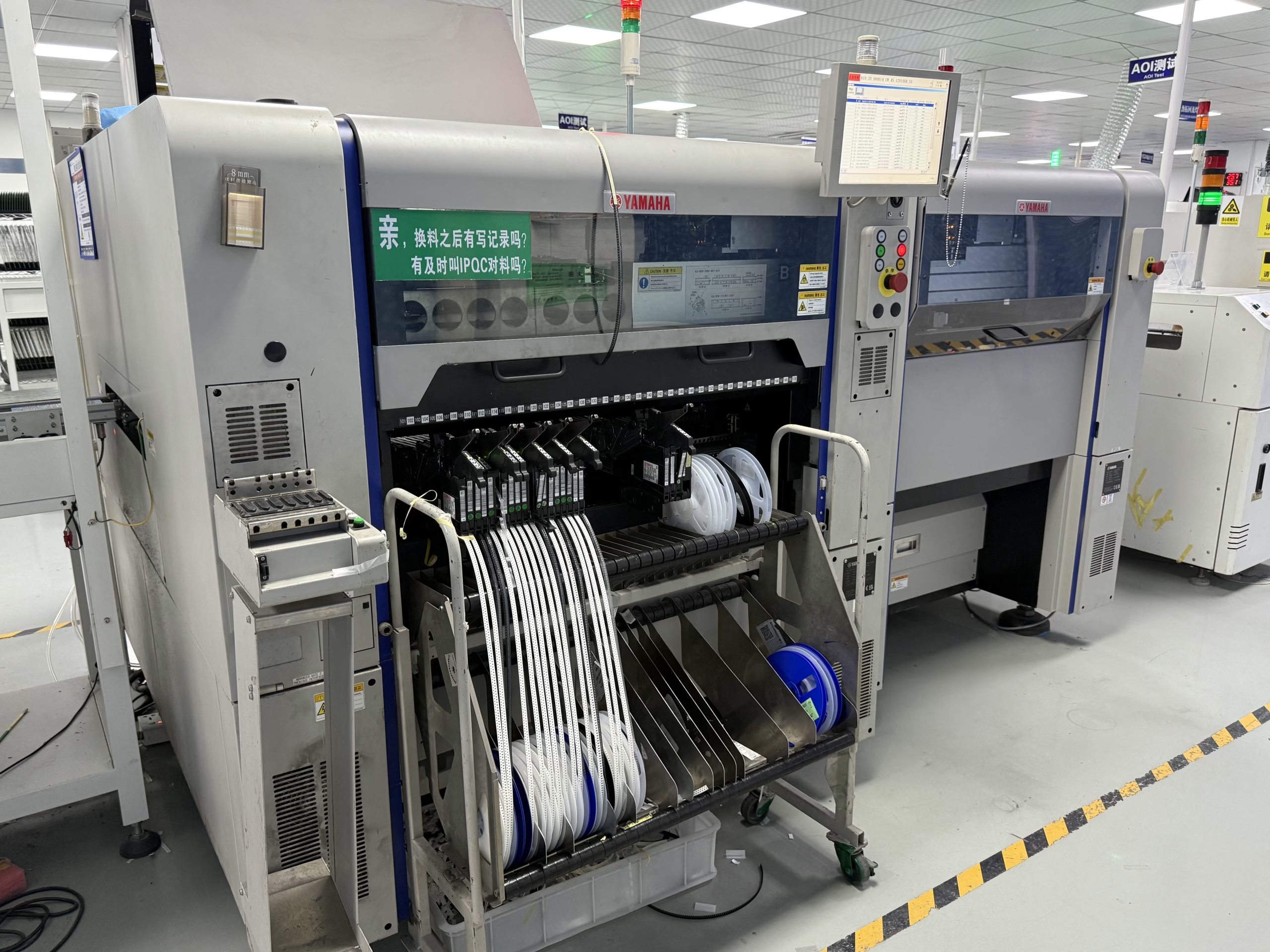
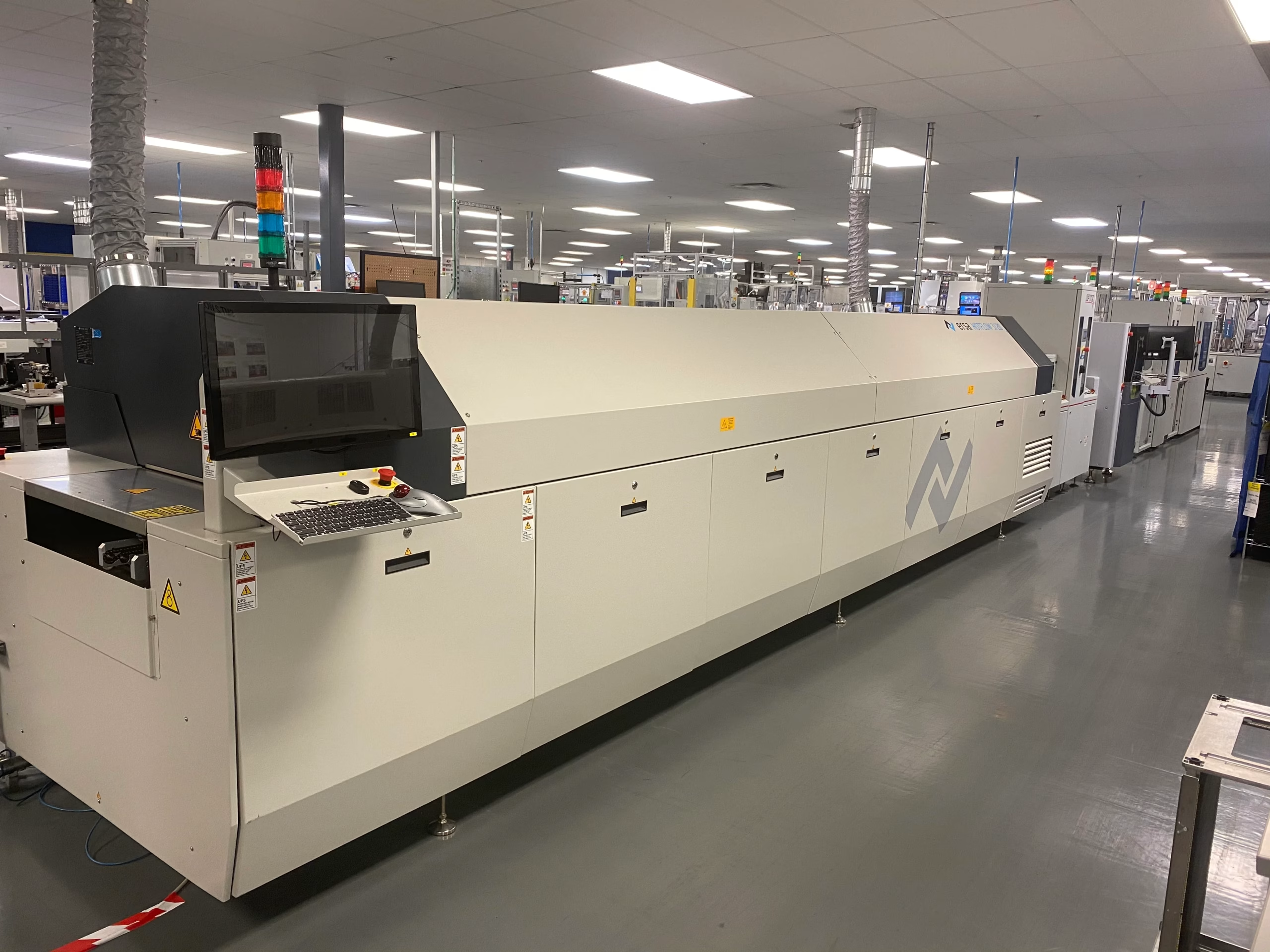
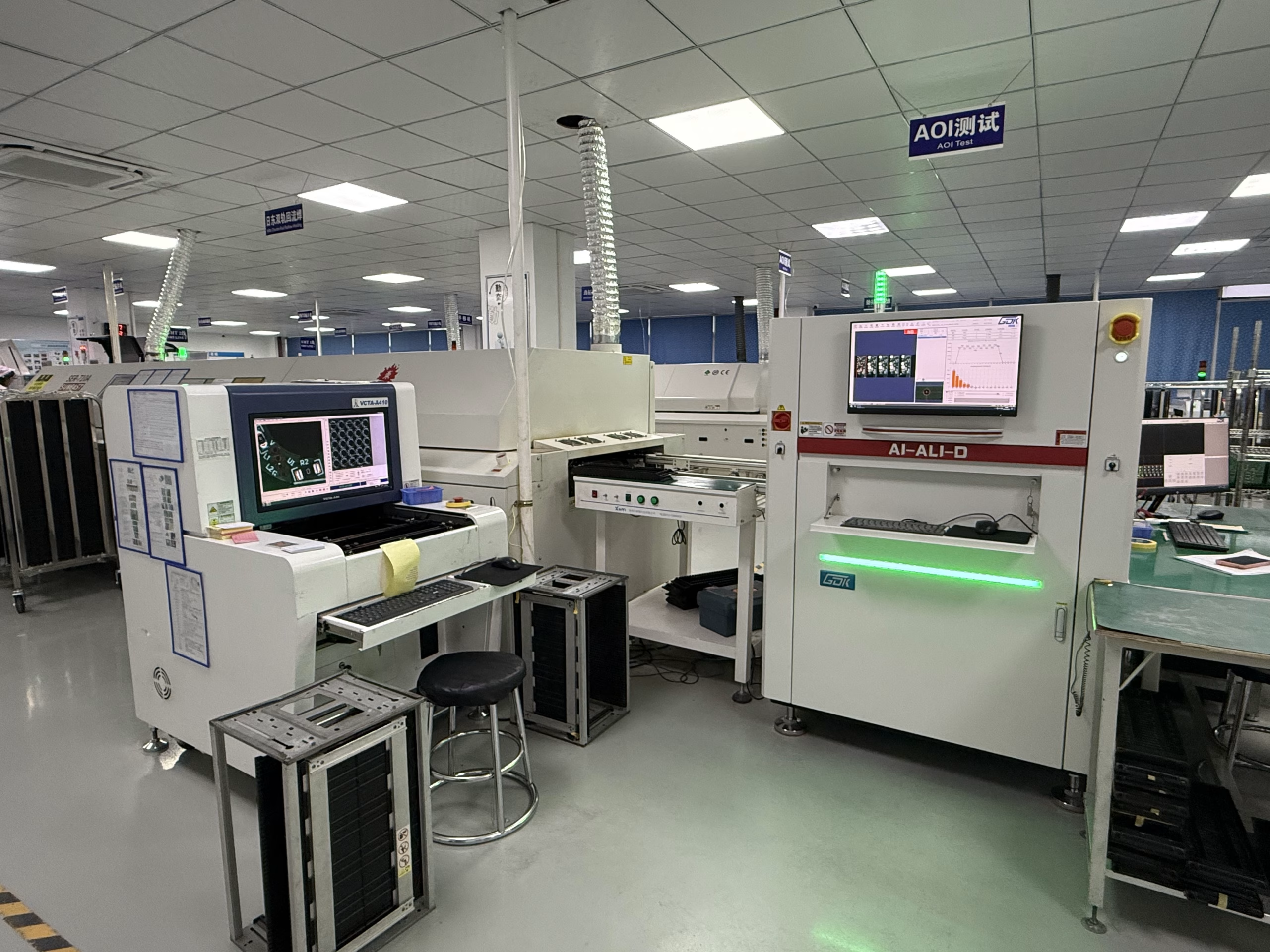
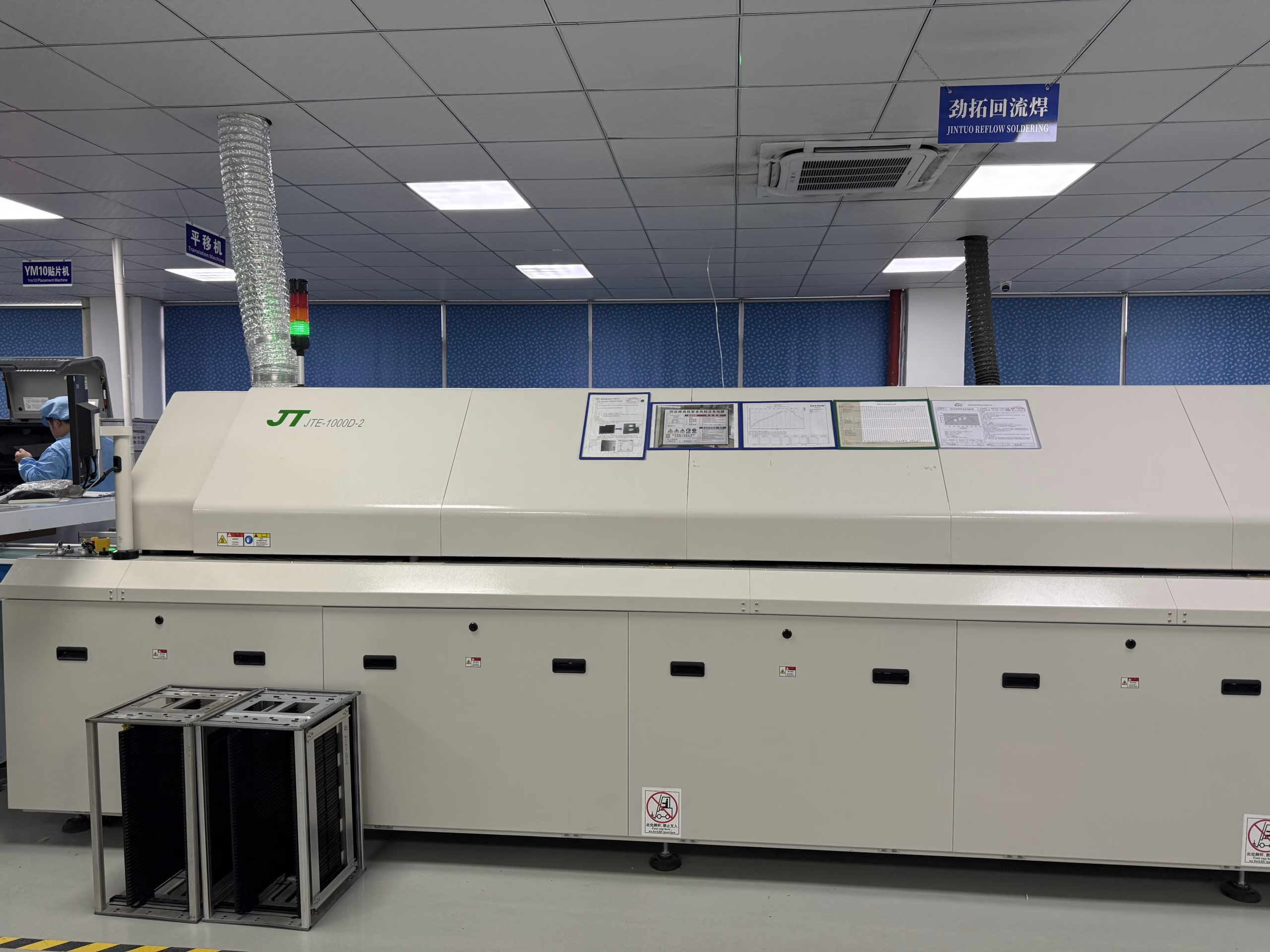
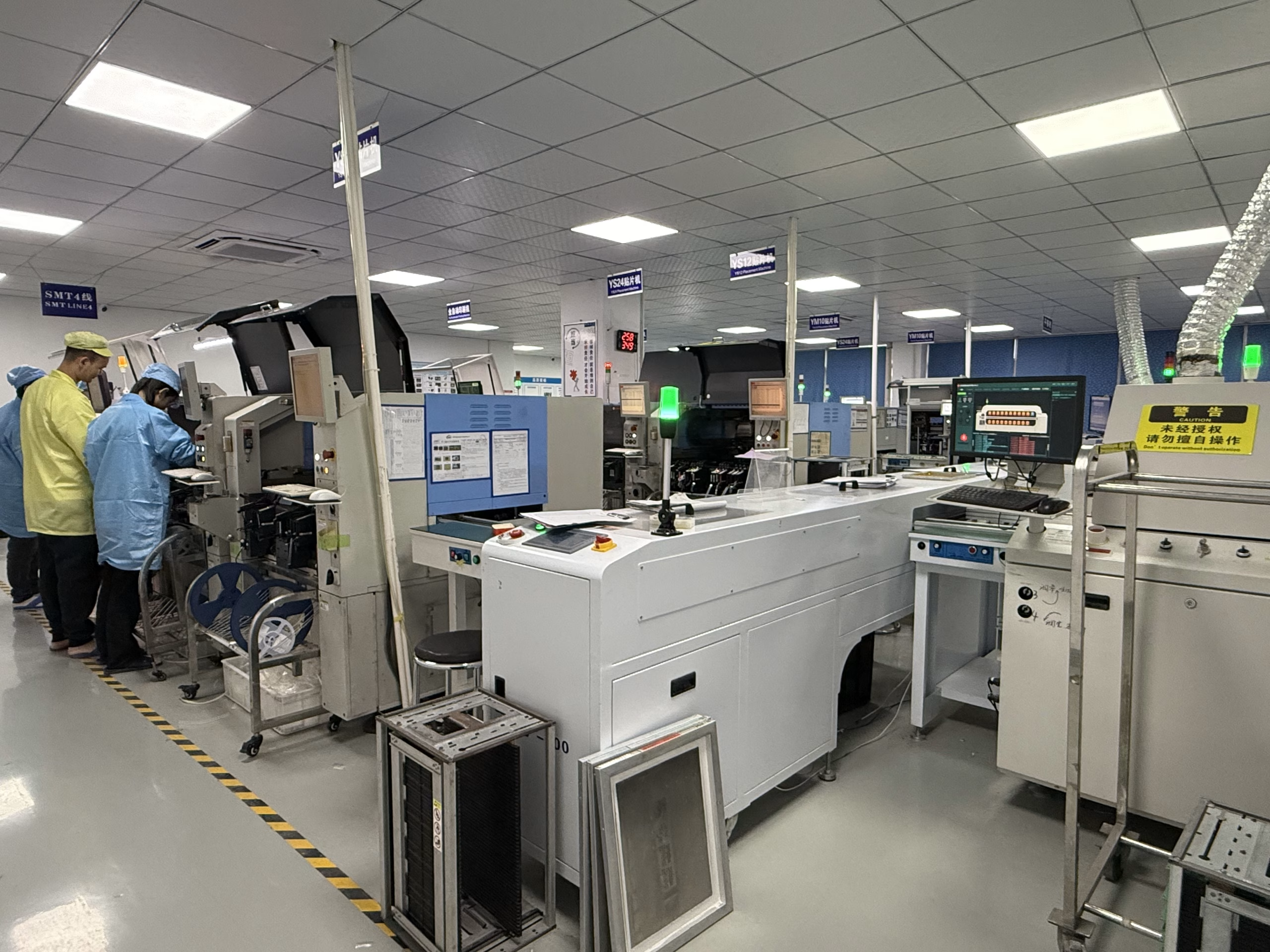
PCB Factory Gallery


Medical PCB Assembly FAQs
Yes, our medical PCBA lines support CoB, flip chip, and epoxy die attach with ±5 µm placement accuracy. We assemble CSPs, BGAs, and 01005 components with underfill and encapsulation for implantable electronic medical devices requiring ultra-compact and robust circuit assemblies.
Each board undergoes AOI, solderability testing, TDR for impedance verification, and optional flying probe or in-circuit testing. We also perform ionic contamination testing to confirm surface cleanliness under 1.56 µg/cm² NaCl equivalent, meeting medical device manufacturing cleanliness thresholds.
We offer laminates like polyimide, Teflon, and Rogers RO3003, as well as parylene and silicone coatings. These materials are suitable for devices exposed to autoclave, EtO gas, or gamma sterilization, and are compliant with medical industry biocompatibility and reliability standards. Replacing components in approved medical devices often requires new validation cycles or FDA notifications, creating significant qualification bottlenecks.
Our medical PCB manufacturing services support rapid prototyping with a minimum order quantity of one unit. Lead times for low-volume device PCB assembly range from 3 to 5 working days, depending on design complexity and required documentation.