Automotive PCB Assembly Services
Automotive PCB assembly creates circuit boards for vehicles. It involves placing electronic parts on printed circuit boards for use in cars. OrinewPCB offers premium-quality automotive PCB assembly services. We also take pride in catering to various needs within the automotive industry.
14+
Years Experience
98.15%
On-Time Delivery
96%
customer satisfaction rate
99%
Quality Pass Rate
What is Automotive PCB
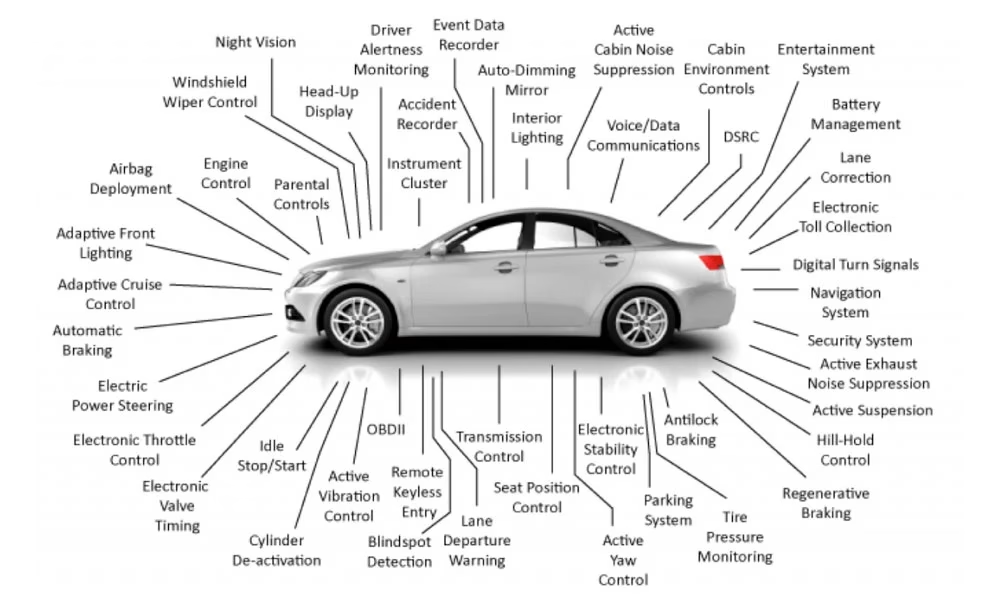
Automotive PCB refers to the printed circuit boards used in automotive electronic systems. As automotive electronic systems become more and more complex, a large number of electronic control units are used to control the engine, transmission, brakes, air conditioning and other systems. These electronic control units all require PCBs to carry electronic components and implement circuit connections.Automotive PCBs have the following important characteristics:
High Reliability
The automotive working environment is harsh, and PCBs need to withstand vibration, impact, high and low temperatures and other conditions. Therefore, the electronic components and PCB materials used in automotive PCBs require high reliability.
High Density and Performance
The complexity of automotive electronic systems mandates PCBs to accommodate more electronic components and connections within limited space while supporting high-speed signal transmission.
Environmental Adaptability
Automotive PCBs must function under diverse temperature, humidity, and vibration conditions, requiring the use of materials and manufacturing processes that exhibit strong environmental adaptability.
EMI and EMC Performance
Automotive electronic systems must guard against electromagnetic interference (EMI) and electromagnetic compatibility (EMC) issues. Therefore, PCB design must consider these aspects to ensure system stability.
High Temperature and Durability
Components within the automotive engine compartment and chassis are subjected to high temperatures and vibrations. PCBs need to exhibit high-temperature resistance and durability to ensure prolonged stable operation.
Why Choose Automotive PCB Assembly Suppliers?
Automotive PCB assembly suppliers bring specialized skills to vehicle production. We understand the unique challenges of car electronics. Here’s why we’re essential:
Industry-Specific Expertise
- Deep knowledge of automotive environmental requirements
- Familiarity with car-specific components and layouts
Advanced Technology Integration
- Capability to incorporate the latest automotive tech trends
- Skills to design PCBs for emerging vehicle features
Regulatory Compliance
- Adherence to strict automotive safety standards
- Certification in relevant quality management systems
Supply Chain Management
- Access to hard-to-find components for car electronics
- Ability to manage lead times for automotive production cycles
Automotive PCB Applications
When it comes to the applications of automotive PCBs, they play a critical role in modern vehicles, spanning engine control, entertainment, safety, electrification, lighting, and vehicle body electronics. Automotive PCBs provide support for the vehicle’s performance, functionality, and safety.
Engine Control Systems
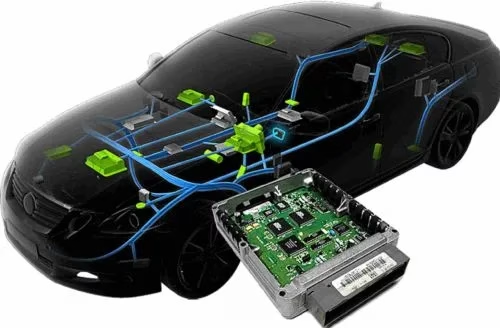
Automotive Engine Control Units (ECUs) use PCBs to manage functions such as fuel injection, ignition timing, and gas circulation to enhance combustion efficiency and promote fuel economy and emissions reduction.

Entertainment and Information Systems
Automotive multimedia, navigation, and communication systems rely on PCBs to support features like image display, audio processing, touchscreens, etc., providing drivers and passengers with entertainment and information.
Safety and Driver Assistance Systems
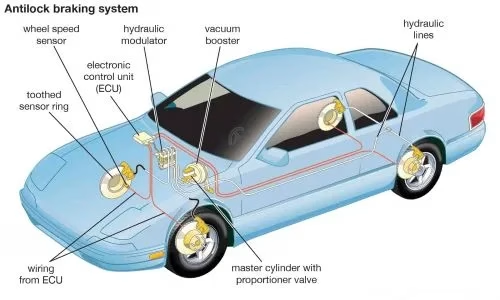
Safety systems such as braking systems, Anti-lock Braking Systems (ABS), Electronic Stability Control (ESP), etc., use PCBs to monitor vehicle status, enabling rapid response and adjustment for a safer driving experience.
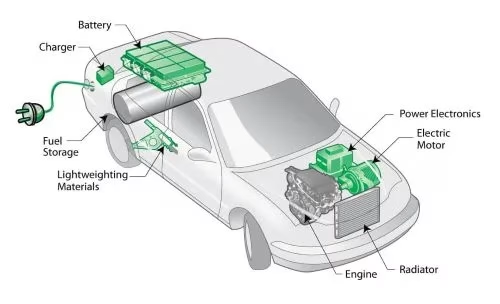
Electric and Hybrid Power Systems
Electric and hybrid power systems require intricate power management and control involving aspects like battery management and motor control. PCBs play a crucial role in these systems.
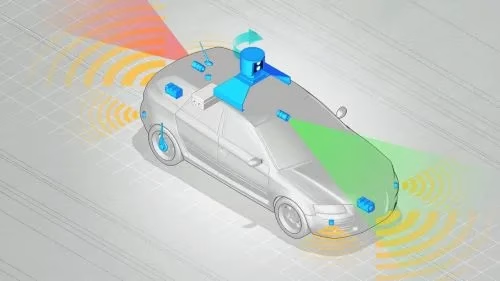
Automatic driving system
The automatic driving system collects information of the surrounding environment by using various sensors, radars, cameras, etc., and then uses automatic control algorithms to automatically drive the vehicle, so that the vehicle has the ability to drive automatically.
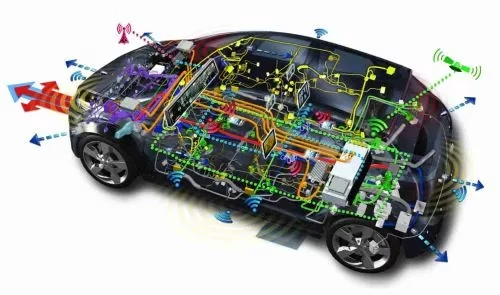
Body Control Systems
This includes functions like central locking, window lifting/lowering, seat adjustment, etc., all involving electronic control. PCBs are essential to support the operation and integration of these systems.
Automotive PCB Standards
Automotive PCBs must adhere to stringent standards and specifications to ensure their reliability, stability, and safety within automotive electronic systems. Several common automotive PCB standards include:
IPC-A-600G: This industry standard for printed circuit boards covers requirements for PCB appearance, dimensions, layout, surface characteristics, and applies to various types of PCBs, including automotive PCBs.
IPC-6012: This standard provides detailed quality requirements for rigid PCBs and rigid-flex PCBs, encompassing aspects such as materials, manufacturing processes, and performance, applicable to automotive electronic PCBs.
ISO 26262: An international standard focused on automotive functional safety, spanning the entire safety lifecycle from safety concept to decommissioning. It imposes strict safety requirements on the design, manufacturing, and application of automotive PCBs.
AEC-Q100/AEC-Q200: Quality assessment standards for automotive electronic components, applicable to integrated circuits and buffer components. These standards cover temperature range, reliability testing, environmental robustness, among other aspects.
JESD22-A100: A standard for environmental stress testing of electronic components and modules, covering methods such as humidity, temperature, vibration tests, used to evaluate automotive PCB performance under diverse conditions.
IEC 61508: An international standard for functional safety, widely applicable to automotive electronic systems. It necessitates the consideration of safety aspects throughout the development and production stages of PCBs.
UL 94: This standard assesses the flammability of plastic materials to ensure materials used in automotive PCBs meet fire safety requirements.
RoHS (Restriction of Hazardous Substances Directive): In the context of automotive electronics, RoHS standards prohibit the use of specified hazardous substances in PCBs to protect the environment and user health.
PCB Assembly Services
Our PCB assembly services cover a wide range of specifications. We offer solutions for various automotive applications, including:
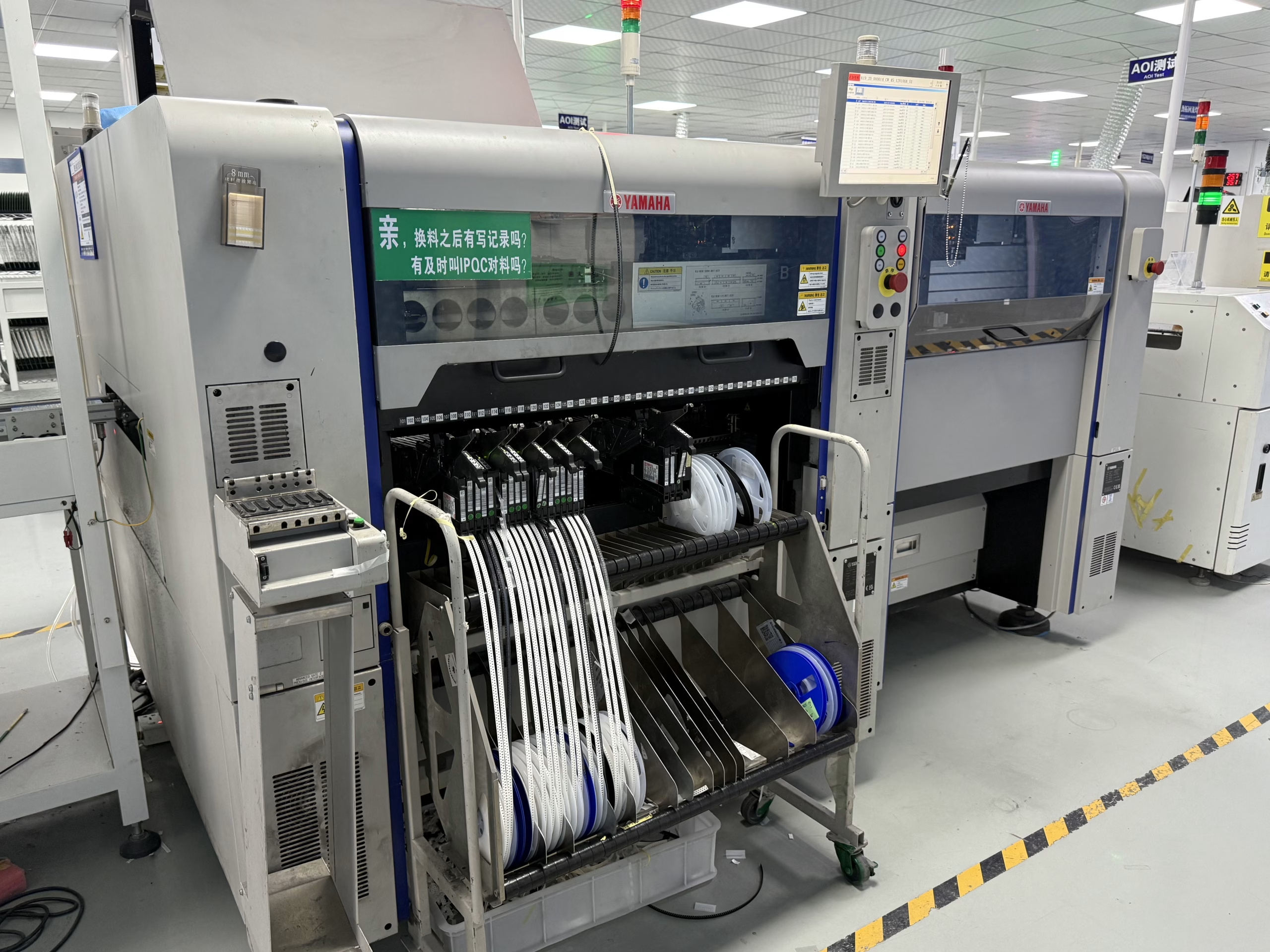
SMT Assembly
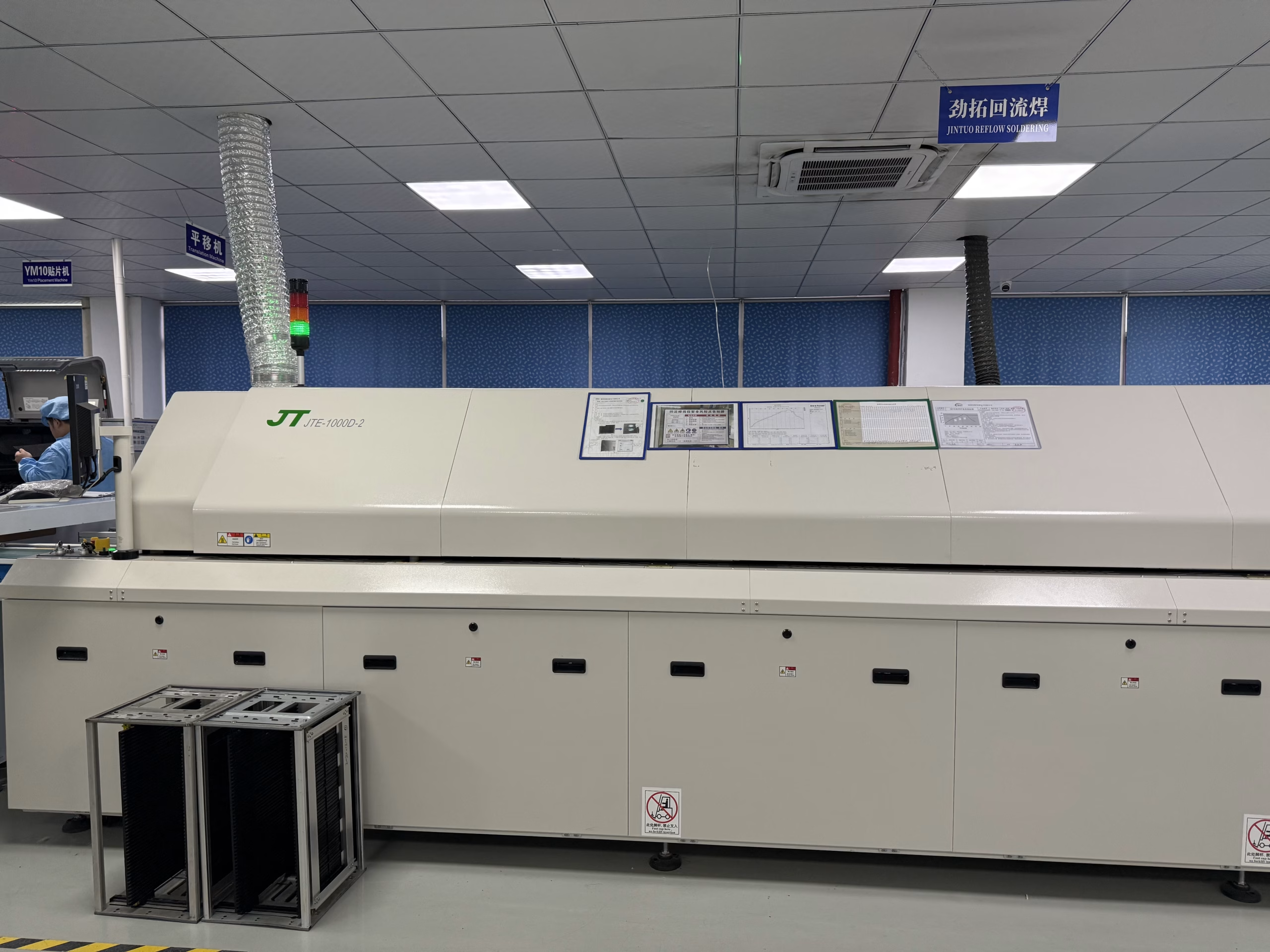
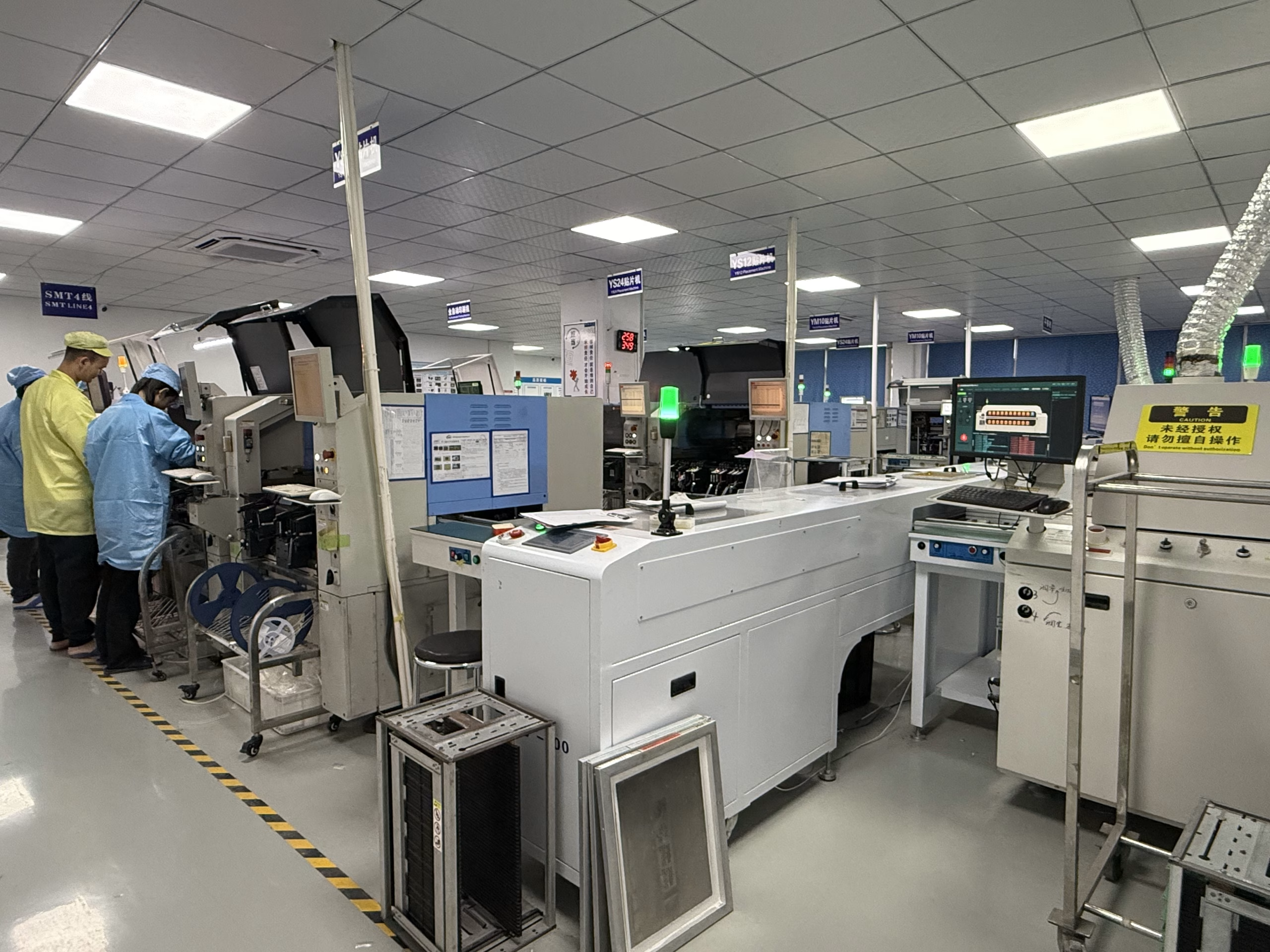
We use Surface Mount Technology for compact, high-performance car PCBs. This method allows for dense component placement, ideal for modern vehicle electronics.
Consigned Components or Turnkey PCB Assembly
We work with your supplied parts or offer full-service solutions. Our turnkey option covers everything from sourcing to the final delivery of assembled PCBs.
Custom PCB Assembly
We create PCBs tailored to your specific car design needs. Our team can handle unique layouts and special requirements for all automotive applications.
Quick Turn PCB Assembly
We deliver fast, high-quality PCB assembly for urgent automotive projects. Our efficient process ensures quick turnaround without compromising on quality.
IPC Class 3 PCB Assembly
We build PCBs that meet strict IPC Class 3 standards. This level of quality is crucial for critical automotive systems and safety features.
All IC Packages PCB Assembly
We assemble all types of IC packages with precision. This includes BGAs, QFNs, and other complex components used in advanced car electronics.
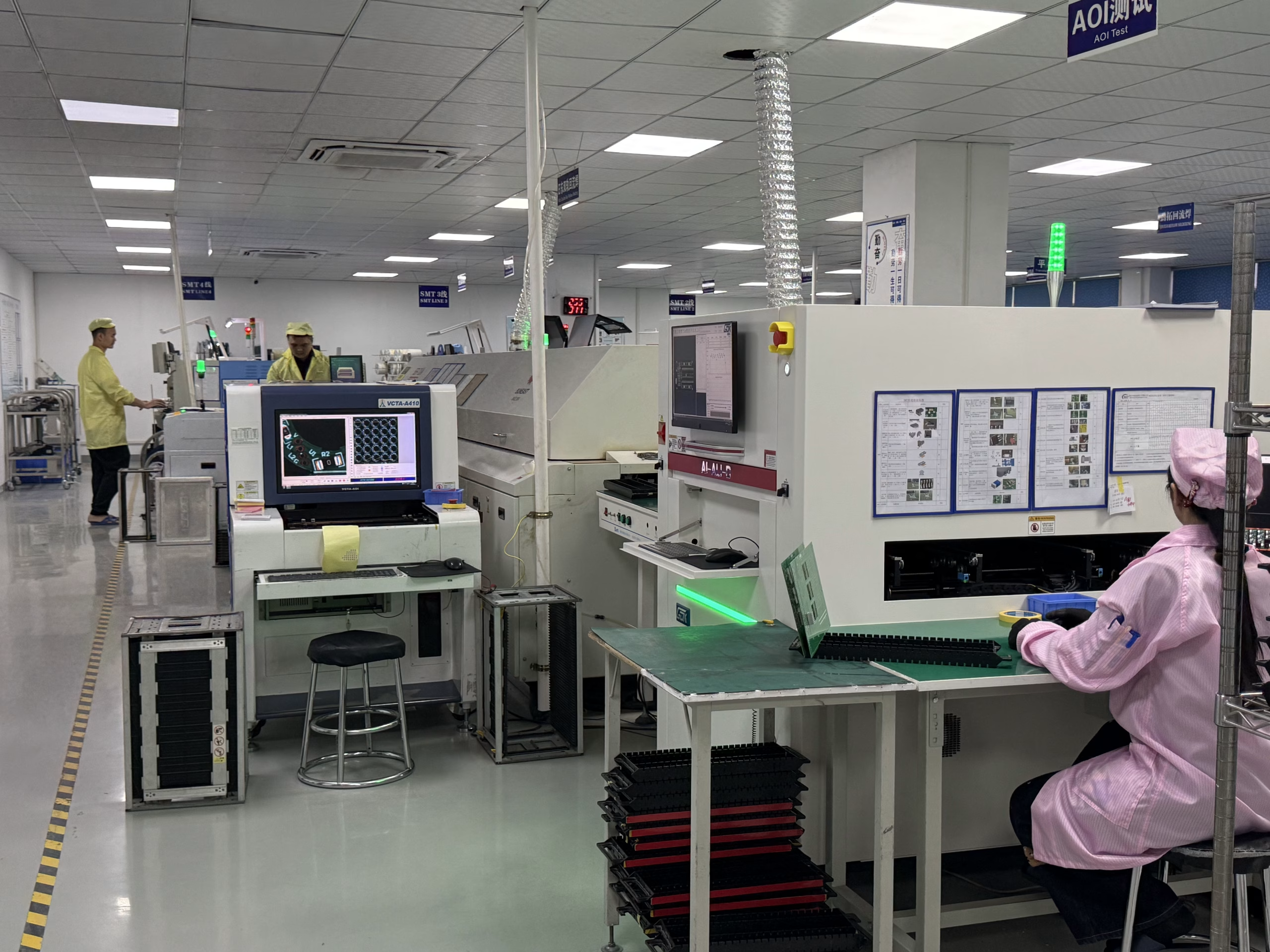
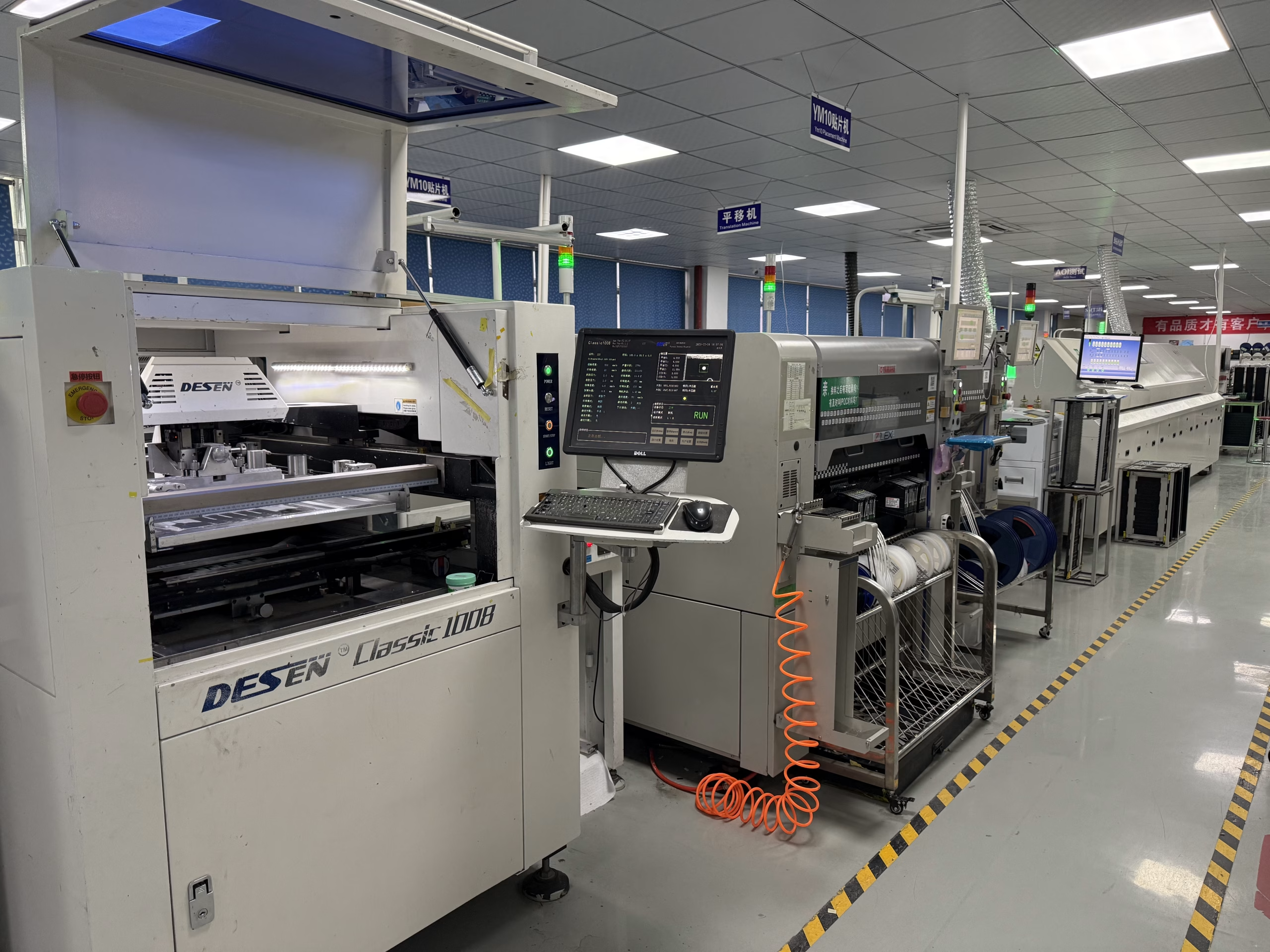
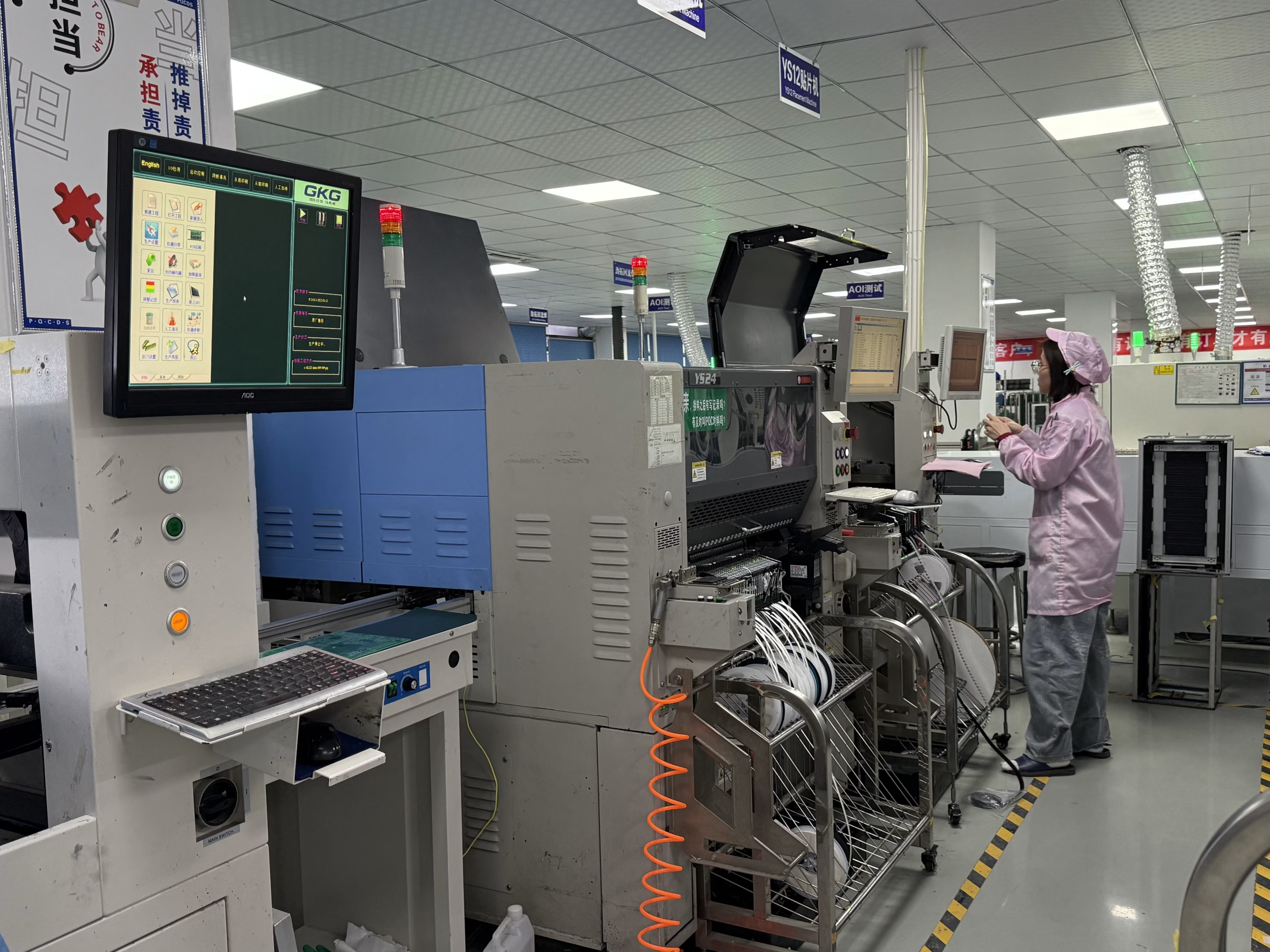
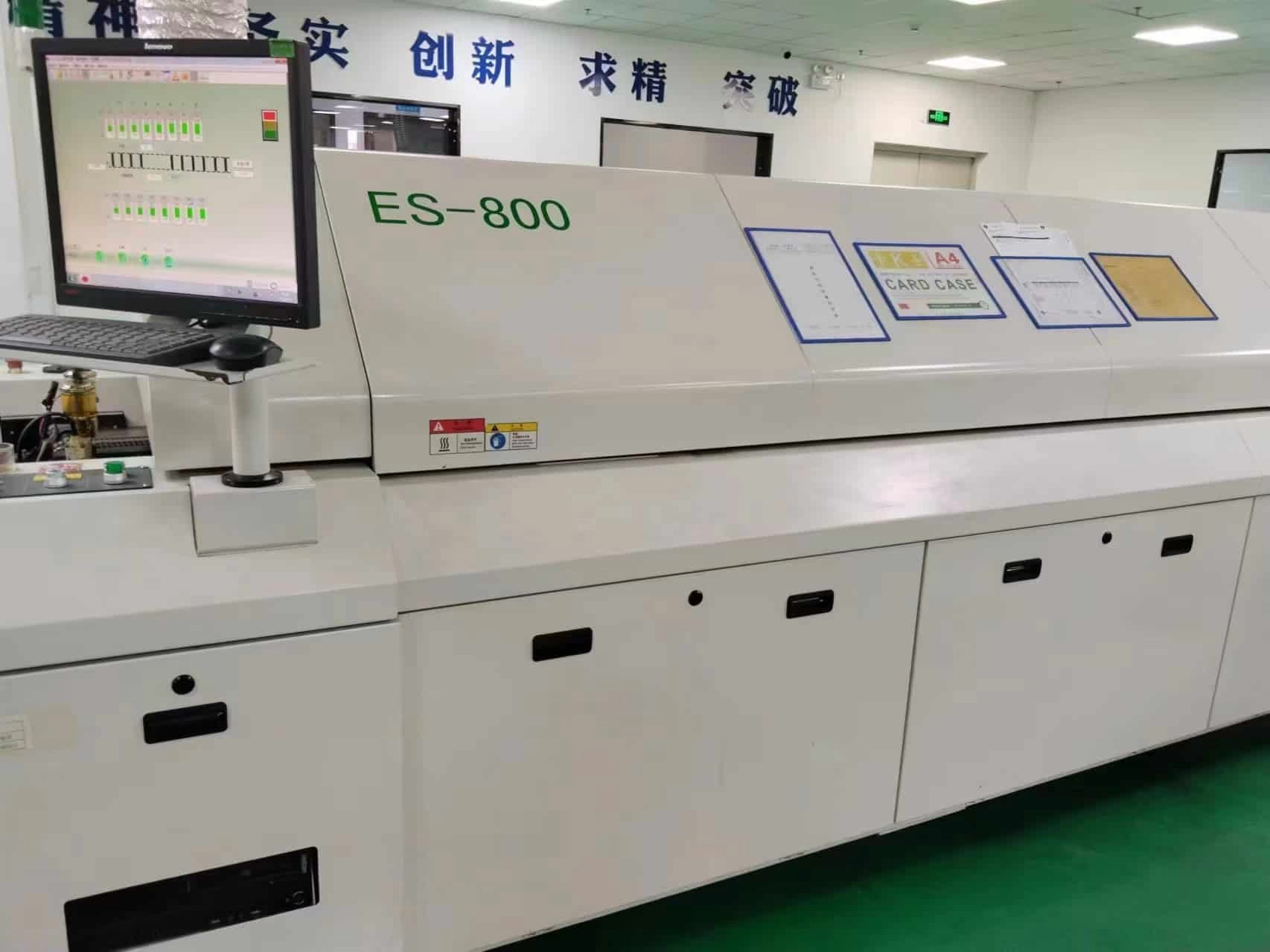
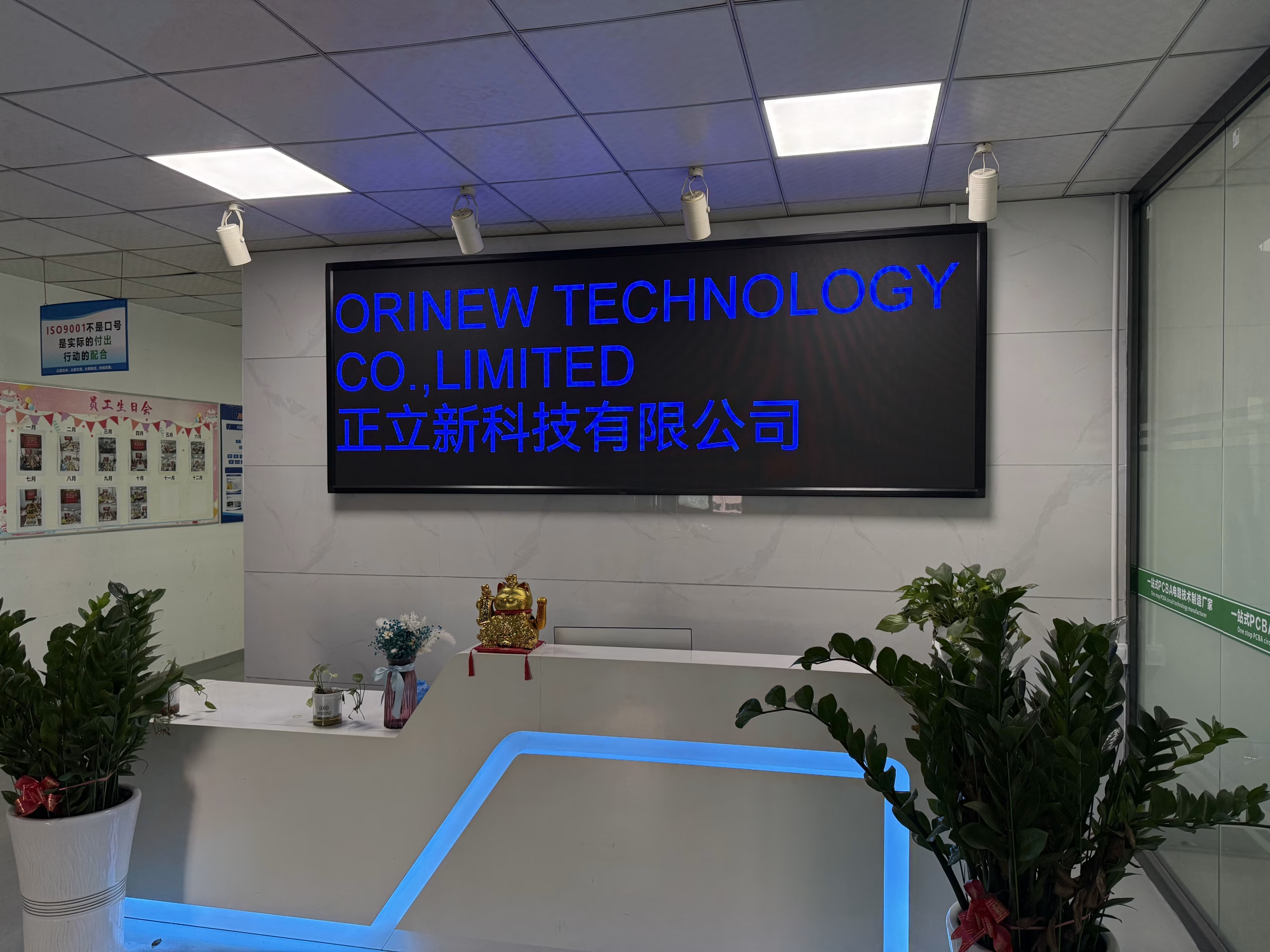
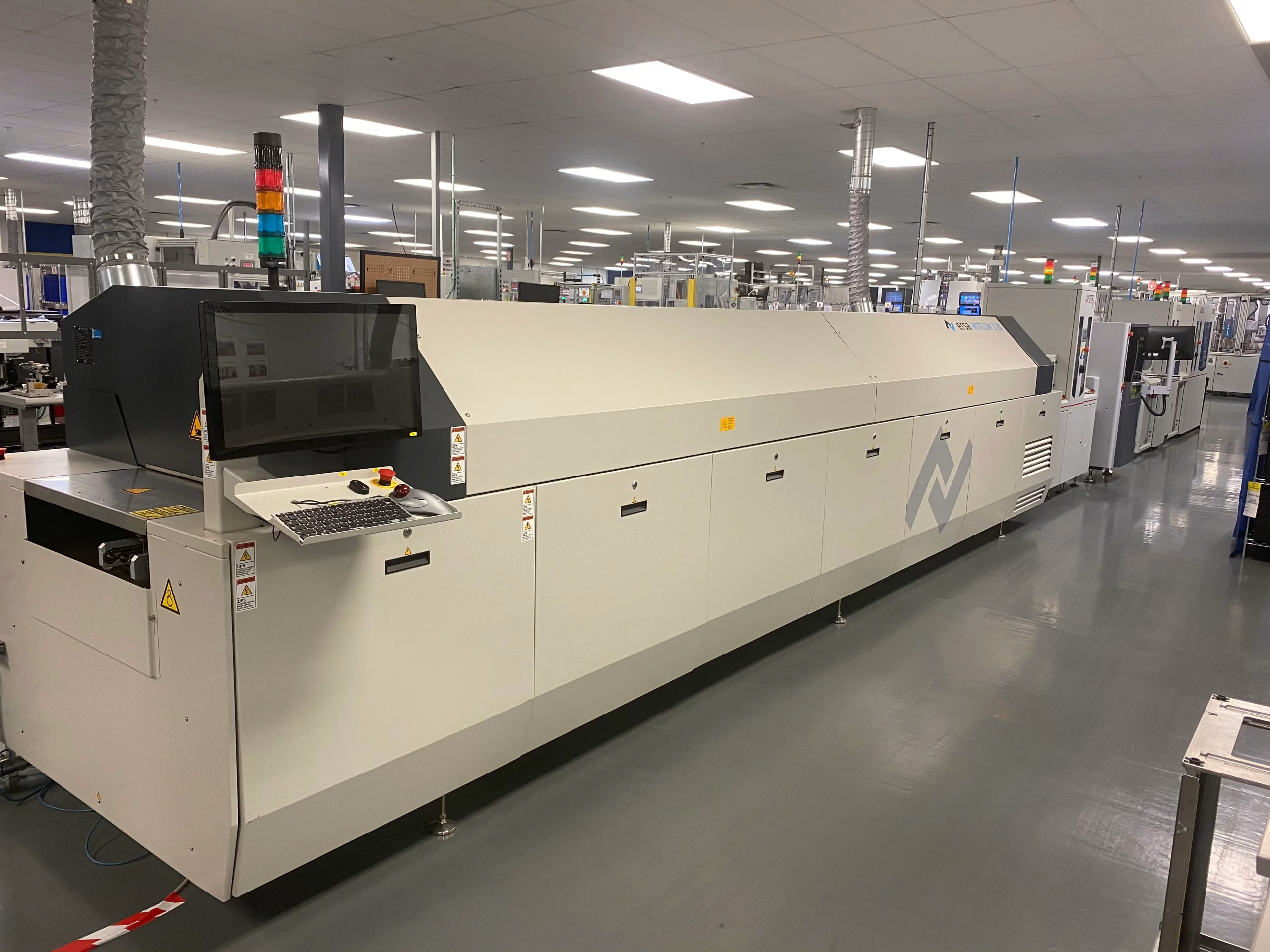
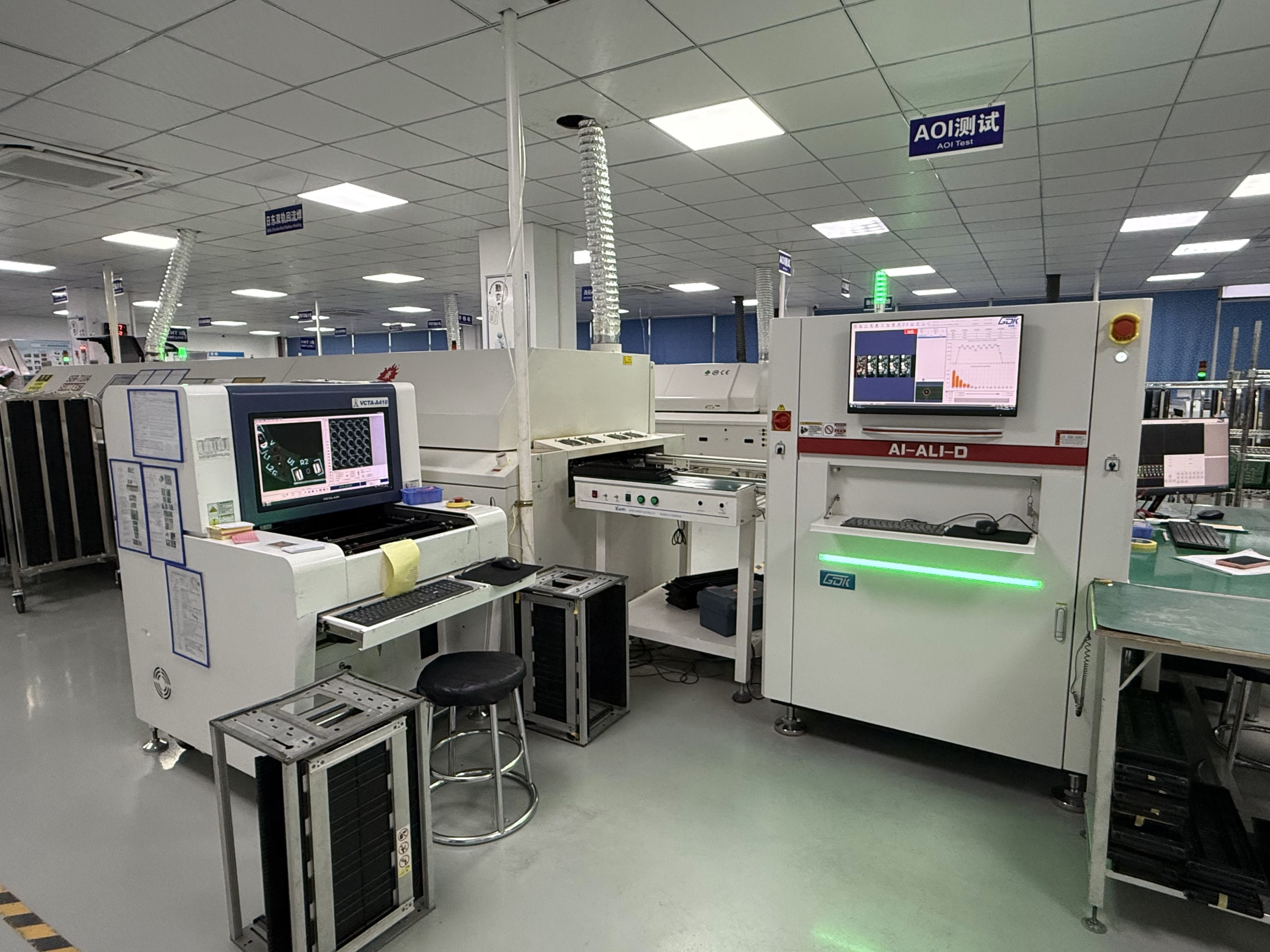
PCB Factory Gallery