Medical PCB Assembly: Complete Guide to Process, Standards
Learn everything about medical PCB assembly, its processes, components, and applications in healthcare devices.
Get Your PCB Quote!
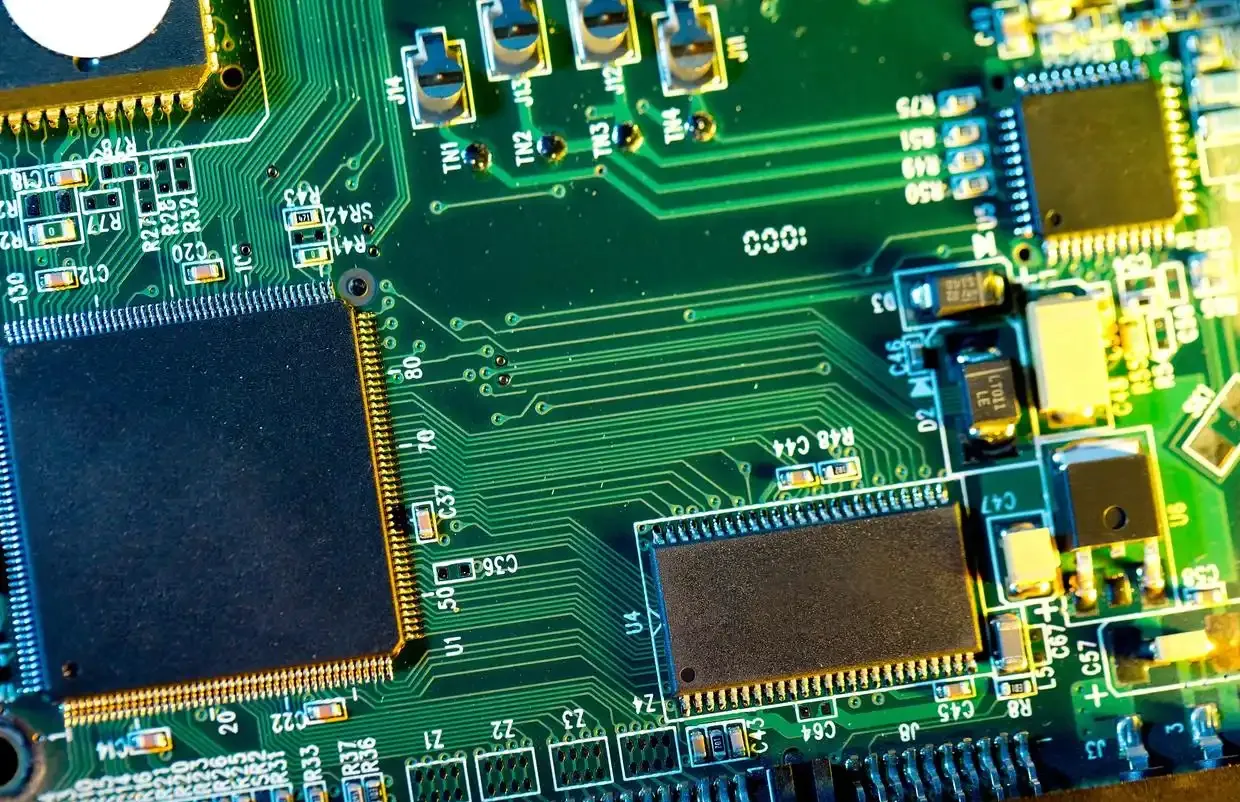
Table of Contents
- 1. Понимание медицинских печатных плат
- 2. Типы медицинских печатных плат
- 3. Основные характеристики медицинских печатных плат
- 4. Применение в медицинских устройствах
- 5. Процесс сборки медицинского изделия
- 6. Нормативные стандарты и сертификаты
- 7. Проблемы в отрасли
- 8. PCBA в устройствах светотерапии красным светом
- 9. PCBA в медицинских тревожных устройствах
- 10. Почему стоит выбрать PCBAndAssembly для сборки медицинских печатных плат?
- 11. Инновации и будущее
- 12. Сборка медицинской печатной платы Часто задаваемые вопросы (FAQ)
- 13. Резюме
Table of Contents
- 1. Понимание медицинских печатных плат
- 2. Типы медицинских печатных плат
- 3. Основные характеристики медицинских печатных плат
- 4. Применение в медицинских устройствах
- 5. Процесс сборки медицинского изделия
- 6. Нормативные стандарты и сертификаты
- 7. Проблемы в отрасли
- 8. PCBA в устройствах светотерапии красным светом
- 9. PCBA в медицинских тревожных устройствах
- 10. Почему стоит выбрать PCBAndAssembly для сборки медицинских печатных плат?
- 11. Инновации и будущее
- 12. Сборка медицинской печатной платы Часто задаваемые вопросы (FAQ)
- 13. Резюме
Today, modern healthcare needs the utmost precision, speed, and safety. All are made possible through solid electronic systems. In the middle of these innovations lies medical PCB assembly. From diagnostic instruments to wearable sensors, printed circuit boards provide the function across the board in medical treatment.
1. Understanding Medical PCBs
A medical PCB is a printed circuit board specifically designed and manufactured to meet the stringent requirements of healthcare applications. These boards power everything from simple blood pressure monitors to complex MRI systems, and they must deliver consistent, flawless performance across demanding conditions — including sterilization processes, temperature extremes, and continuous long-term operation.
The manufacturing tolerances for medical PCBs are significantly tighter than those for standard electronics. Documentation requirements are extensive, and testing protocols are far more rigorous. What truly sets medical-grade boards apart includes:
- Zero-defect tolerance for life-sustaining equipment
- Full traceability from raw materials through to the finished assembly
- Extended lifecycle support, often exceeding 10–15 years
- Compliance with IPC Class 3 high-reliability specifications
- Biocompatibility requirements for any patient-contact applications
2. Types of Medical PCBs
The choice of PCB type depends on a device’s mechanical constraints, electrical requirements, and operating environment. Below is an overview of the most common types used in medical applications:
| PCB Type | Best Applications | Key Advantages | Typical Layers |
| Rigid PCB | MRI machines, CT scanners, X-ray equipment | Structural stability, cost-effective | 6–16 |
| Flexible PCB | Wearables, catheters, CGM sensors | Lightweight, bend-resistant, compact | 2–8 |
| HDI PCB | Implantables, portable diagnostics | Ultra-compact, high component density | 8–20+ |
| Rigid-Flex PCB | Surgical instruments, endoscopes | Best of both rigid & flex | 4–12 |
Rigid PCBs remain the workhorse of medical imaging and monitoring equipment, providing structural stability for fixed installations. Flexible PCBs have transformed wearable medical devices — their polyimide substrates withstand thousands of flex cycles, making them ideal for continuous glucose monitors and catheter-based diagnostic tools. HDI PCBs have become essential for implantables and portable diagnostics, enabling laser-drilled microvias as small as 0.1mm to pack sophisticated functionality into remarkably compact spaces.
3. Key Features of Medical PCBA
These circuit boards are distinguished by their reliability in critical situations. Smaller size, thermal resistance, and electromagnetic compatibility are among the required features of a PCBA medical machine. High-end ceramics or composites usually come into play to ensure zero interference of any kind.
Thermal Resistance
Many medical PCBs operate continuously for years. Effective thermal management — through increased copper weight on power layers, thermal vias under hot components, and metal-core substrates for high-power devices — is critical to preventing premature failures and ensuring long device lifespans.
Electromagnetic Compatibility (EMC)
Medical devices must coexist in electrically noisy hospital environments without causing or experiencing interference. Per IEC 60601-1-2, design practices including solid ground planes, localized shielding for critical analog circuits, ferrite beads at cable entry points, and careful trace routing are all essential.
Miniaturization and High Density
The trend toward smaller implants and portable diagnostic tools drives the adoption of HDI PCBs and innovative assembly techniques to pack immense functionality into compact footprints. Multi-layer designs and fine-pitch components are now standard in modern medical electronics.
Reliability and Long Lifecycle
Medical PCBs must operate flawlessly under demanding conditions for extended periods. Design for reliability encompasses robust trace routing, proper component selection, effective EMC management, and resistance to shock, vibration, and — for flexible PCBs — millions of bend cycles.
Due to arrays of dense interconnections and multilayer designs, the boards remain compact, with high performance retained. Therefore, the healthcare technology being very dynamic, a key requirement is flexibility for upgrades and integration.
4. Applications Across Medical Devices
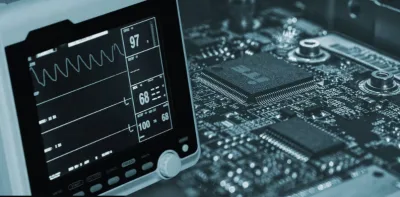
The application field is quite broad. As one example in PCBA in medical device technology, it powers heart monitors, MRIs, and infusion pumps. Ultrasensitive sensors collect and process real-time data for diagnostic imaging.
Diagnostic Imaging
MRI machines, CT scanners, and X-ray systems rely on high-layer-count rigid PCBs with complex signal routing and power distribution. Ultrasensitive sensors collect and process real-time data with no margin for error.
Patient Monitoring
Heart monitors, pulse oximeters, and blood pressure devices incorporate PCBAs that provide continuous readings. Wireless connectivity and battery efficiency are increasingly important as these devices move into home care settings.
Implantable and Wearable Devices
Cochlear implant processors, pacemakers, and defibrillators use HDI and flex PCBs to achieve extraordinary functionality in extremely small form factors. Biocompatibility and hermetic sealing are essential for long-term implantation.
PCBA in Red Light Therapy Devices
An emerging application is PCBA in red light therapy devices, used for skin care, pain relief, and wound healing. Embedded PCBs precisely regulate light wavelengths and treatment cycles — any deviation in timing or intensity can compromise treatment efficacy or patient safety.
PCBA in Medical Alert Devices
Medical alert devices serve as a lifeline for elderly and vulnerable individuals. Their PCBAs integrate GPS tracking, emergency alerting, and in some cases fall detection. These devices must function reliably in real-time under varied environmental conditions, requiring sturdy circuit construction, dependable battery performance, and robust wireless connectivity.
Surgical Instruments and Infusion Pumps
Surgical tools and infusion systems demand precision electronics that can withstand sterilization cycles and operate without interruption in operating room environments.
Recent changes have spearheaded the rise of portable and home-use instruments. With this, smaller but efficient PCBs are needed. Medical electronics assembly nowadays leans towards miniaturized, battery-efficient units equipped with wireless connectivity.
5. The Process of Medical Device Assembly
Assembling medical PCBs involves a series of meticulously controlled steps, each designed to minimize defects and ensure the final product meets exacting standards.
Design and Layout
Engineers must ensure the board’s functionality aligns with regulatory compliance before a single component is placed. Design verification includes signal integrity analysis, thermal simulation, and EMC modelling. Regulatory requirements must be considered from the very first design decisions.
Material Selection and Component Sourcing
Reliable component sourcing is the foundation of successful assembly. Given the long lifecycles of many medical devices, manufacturers work with approved vendor lists (AVLs) and implement strategies such as lifetime buys or timely redesigns to mitigate component obsolescence. Full traceability of every component — down to its batch number — is mandatory for regulatory compliance.
Substrate selection significantly impacts performance. For devices requiring autoclave sterilization at 121–134°C, standard FR-4 is insufficient; high-Tg materials or polyimide substrates are required. Surface finishes such as ENIG (Electroless Nickel Immersion Gold) are preferred for their inertness and solderability.
SMT and Through-Hole Assembly
Most medical PCBs combine Surface Mount Technology (SMT) and Through-Hole Technology (THT) components. SMT dominates modern medical electronics for its smaller footprint, superior high-frequency performance, and automated placement accuracy down to 0.01mm. The typical SMT flow includes:
- Solder paste application via stencil printing with automated paste inspection (SPI)
- Pick-and-place component mounting with vision alignment systems
- Controlled reflow soldering, often in nitrogen atmosphere for oxidation-sensitive components
- Post-reflow AOI inspection followed by X-ray for hidden solder joints under BGAs
THT remains essential for high-current connectors requiring mechanical strength, large electrolytic capacitors, and components that may need field replacement.
Cleanroom Manufacturing
Medical PCB assembly typically occurs in ISO Class 7 or Class 8 cleanrooms, with higher-risk implantable devices potentially requiring ISO Class 6 environments. Cleanroom practices include controlled temperature and humidity, HEPA-filtered air circulation, ESD-protected workstations, personnel gowning procedures, and strict material handling protocols.
Quality Control and Testing
Quality control is integrated at every stage of production, not treated as a final checkpoint. Standard testing protocols include:
- Automated Optical Inspection (AOI): Detects incorrect component placement, missing parts, and solder joint defects
- X-ray Inspection: Verifies hidden solder joints under BGA and QFN components
- In-Circuit Testing (ICT): Checks for shorts, opens, resistance, capacitance, and other electrical characteristics
- Functional Circuit Testing (FCT): Simulates actual device operation to verify performance
- Burn-in / HALT Testing: Subjects boards to temperature extremes or elevated voltages to screen for early failures
All test results must be documented and retained according to quality system requirements for full regulatory traceability.
6. Regulatory Standards and Certifications
Navigating the regulatory landscape for medical PCB assembly requires understanding multiple overlapping standards from different governing bodies. Compliance is not optional — it is a prerequisite for market entry and patient safety.
| Standard | Issuing Body | Scope |
| ISO 13485:2016 | ISO | Quality management system for medical device manufacturers |
| IPC-6012 Class 3 | IPC | Performance specifications for high-reliability rigid PCBs |
| IPC-A-610 Class 3 | IPC | Acceptability criteria for electronic assemblies |
| IEC 60601-1 | IEC | Safety requirements for medical electrical equipment |
| 21 CFR Part 820 | FDA | Quality system regulation (QSR) for US market devices |
| ISO 10993 | ISO | Biocompatibility evaluation for patient-contact devices |
| IPC-6012EM | IPC | Medical applications addendum for implantable devices |
IPC Class 3 in Depth
IPC Class 3 represents the highest reliability tier for electronic assemblies. It mandates the highest level of inspection, tighter tolerances for soldering and cleanliness, and superior workmanship compared to Class 1 or Class 2 standards. For medical devices where continuous operation is critical and downtime is unacceptable, IPC Class 3 compliance is mandatory.
| IPC Class | Description | Typical Applications |
| Class 1 | General Electronic Products | Consumer electronics, toys |
| Class 2 | Dedicated Service Electronics | Industrial equipment, basic computers |
| Class 3 | High-Reliability Electronic Products | Medical devices, aerospace, military |
FDA Requirements
In the United States, the FDA classifies medical devices into three categories. Class III devices — such as pacemakers and defibrillators — face the strictest requirements. Manufacturers must comply with 21 CFR Part 820, covering design controls, purchasing controls, process controls, and more. FDA establishment registration is also required for US market access.
ISO 13485:2016
ISO 13485 is the internationally recognized quality management standard for the medical device industry. Certification demonstrates a manufacturer’s commitment to quality and regulatory compliance, and it is increasingly required by OEMs worldwide before engaging an assembly partner.
7. Challenges in the Industry
Several obstacles confront this industry. An entirely new chapter to be handled in the changing regulations. Such standards, too, can differ across countries. The second would be that designs frequently require micro-components. The presence of these materials increases errors.
Testing protocols for medical PCB assembly services are indeed more stringent than those for consumer electronics. There are no shortcuts. No shortcuts. One must test dirt for durability, biocompatibility, and sterilization purposes.
8. PCBA in Red Light Therapy Devices
An emerging application is that of PCBA in red light therapy devices. Usage involves skin care, pain alleviation, and wound repair. Embedded PCBs regulate light wavelengths and treatment cycles. Any deviation in timing or light intensity may frustrate the entire treatment.
Here, reliable boards are not simply part of the technical specification; they are a matter of patient safety. Manufacturers should thus ensure thermal stability and uninterrupted power delivery.
9. PCBA in Medical Alert Devices
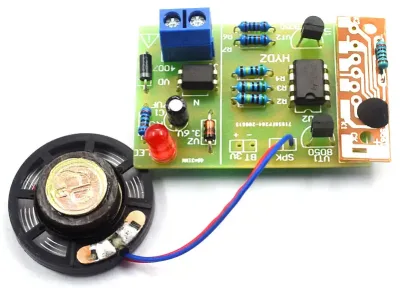
Another important application is PCBA in medical alert devices. These devices act as life insurance for the elderly and vulnerable. Their PCBAs provide GPS tracking and emergency alerting, and in some instances, fall detection.
The devices must work in real-time, under varied environmental conditions. Sturdy circuit construction and dependable battery performance are essential. Integration with wireless networks is also a must.
10. Why Choose PCBAndAssembly for Your Medical PCB Assembly?
When it comes to medical PCB assembly, your choice of manufacturing partner is not just a procurement decision — it’s a patient safety decision. At PCBAndAssembly, we understand this responsibility deeply, and we’ve built every aspect of our operation around delivering the precision, compliance, and reliability that medical-grade electronics demand.
We specialize in the full range of PCB types required by modern medical devices:
- Flexible PCBs — polyimide substrates engineered to withstand thousands of flex cycles for wearables, catheters, and continuous glucose monitors
- Rigid and Multilayer PCBs — high-layer-count stackups for imaging systems, patient monitors, and surgical equipment
- HDI PCBs — laser-drilled microvias enabling ultra-compact designs for implantables and portable diagnostics
- Rigid-Flex PCBs — combining mechanical stability with routing flexibility for demanding form factors
Ready to get started? Contact our engineering team today for a free quote and consultation. Whether you’re in early design or scaling to production, we’re here to help you build medical electronics that perform when it matters most.
11. Innovation and the Future
The inner workings must grow smarter by virtue of the intelligence of the devices. Here, next for board demand will be AI-powered diagnostics, robotic surgery, and remote patient care. Hence, the medical PCB assembly manufacturer who acts proactively should keep pace with such technologies.
Flexible PCBs, embedded sensors, and data-encryption layers become a standard. Interlaced with their assembly techniques are also evolving, ranging from 3D component placement to advanced conformal coatings.
12. Medical PCB Assembly FAQs
1) What is medical PCB assembly?
It is a specialized process of fabricating circuit boards for medical devices, which, unlike the usual industrial PCBA, observes strict health and safety standards.
2) What are common uses of medical PCBs?
They are found in MRI machines, wearable monitors, surgical instruments, and home diagnostics tools.
3) How does medical PCBA differ from other industries?
Higher quality control, special materials, and adherence to health regulations are the differences.
4) Why is cleanroom assembly important?
To protect from contamination and keep sensitive devices sterile and safe.
5) Are these PCBs safe enough to be used on devices interfacing with a patient?
Yes. It has been on the test bench long and hard to ensure its reliability, safety, and performance for the long term.
6) What role does PCBA play in red light therapy?
To ensure that light output is well-modulated so that treatments can safely, accurately, and effectively take place.
7) Can I customise a PCB for my medical device?
Manufacturers provide customised solutions based on device requirements and certifications.
8) How do I choose the right assembly service?
Considerations include former experience, relevant certifications, and support for the entire process.
13. Summary
In healthcare, small parts play a big role. Precision in medical PCB assembly directly affects patient safety, device performance, and innovation speed. The choice of the process and the collaborators is a matter of high reliability.
Further research will bring more compact and intelligent solutions. But trusted PCBAs will be the very foundation deep down.
Get Quote Free