
Aluminum Core PCB Manufacturing
Custom Aluminum PCB Manufacturing for Heat-Critical Electronics
Metal-core PCB manufacturing for LED lighting, power modules, automotive lamps, and industrial electronics.
We manufacture custom aluminum PCBs for LED lighting, power conversion, automotive, and industrial control applications. Send your Gerber files, layer stackup, quantity, and thermal requirements for a manufacturability review and quote.
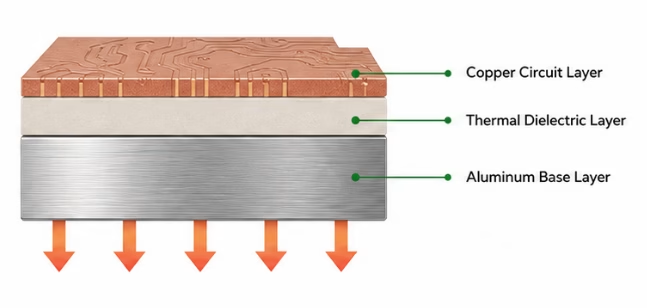
Advantages of Aluminum PCBs
Our Aluminum PCB Manufacturing Capabilities
From prototype builds to volume production, our aluminum core PCB process supports thermal performance, dimensional control, and assembly-ready finishes.
| Feature | Capability |
| Core Material | Aluminum, Copper-Aluminum |
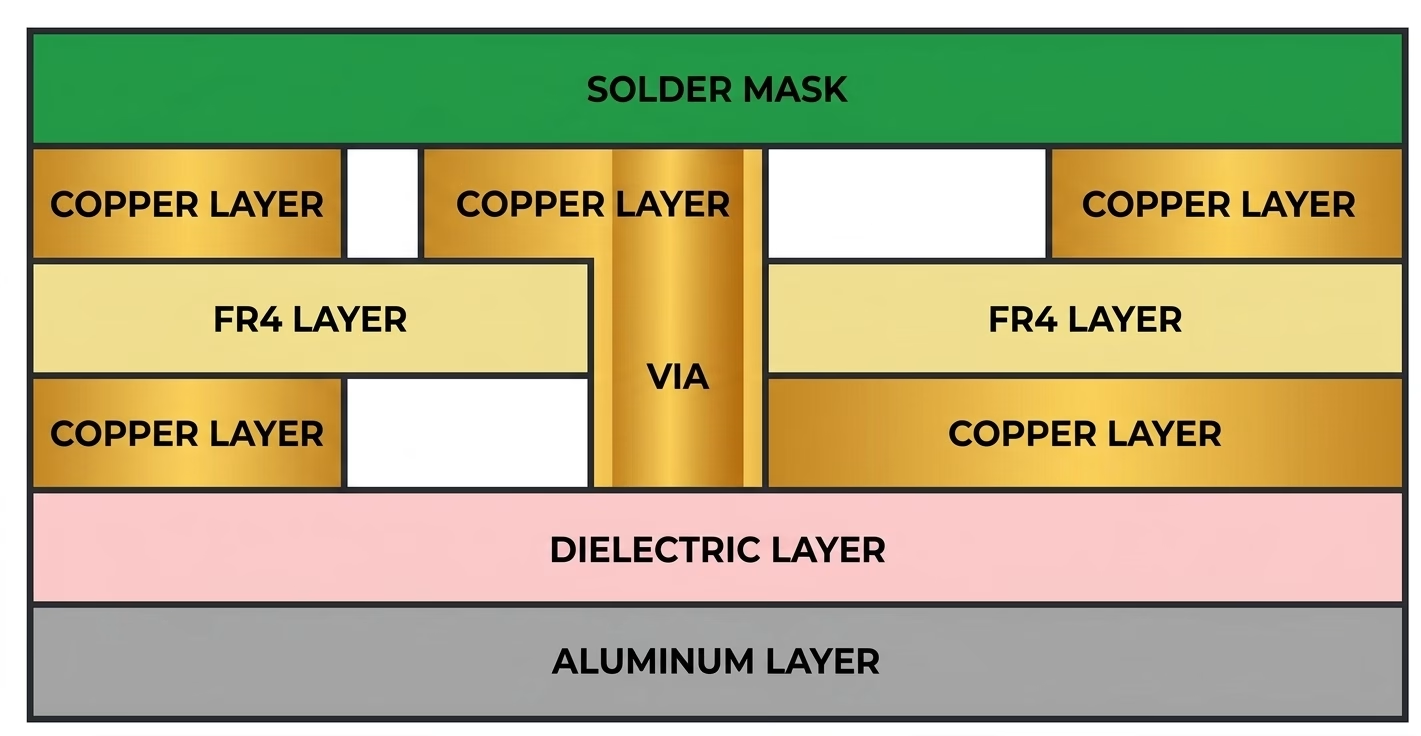
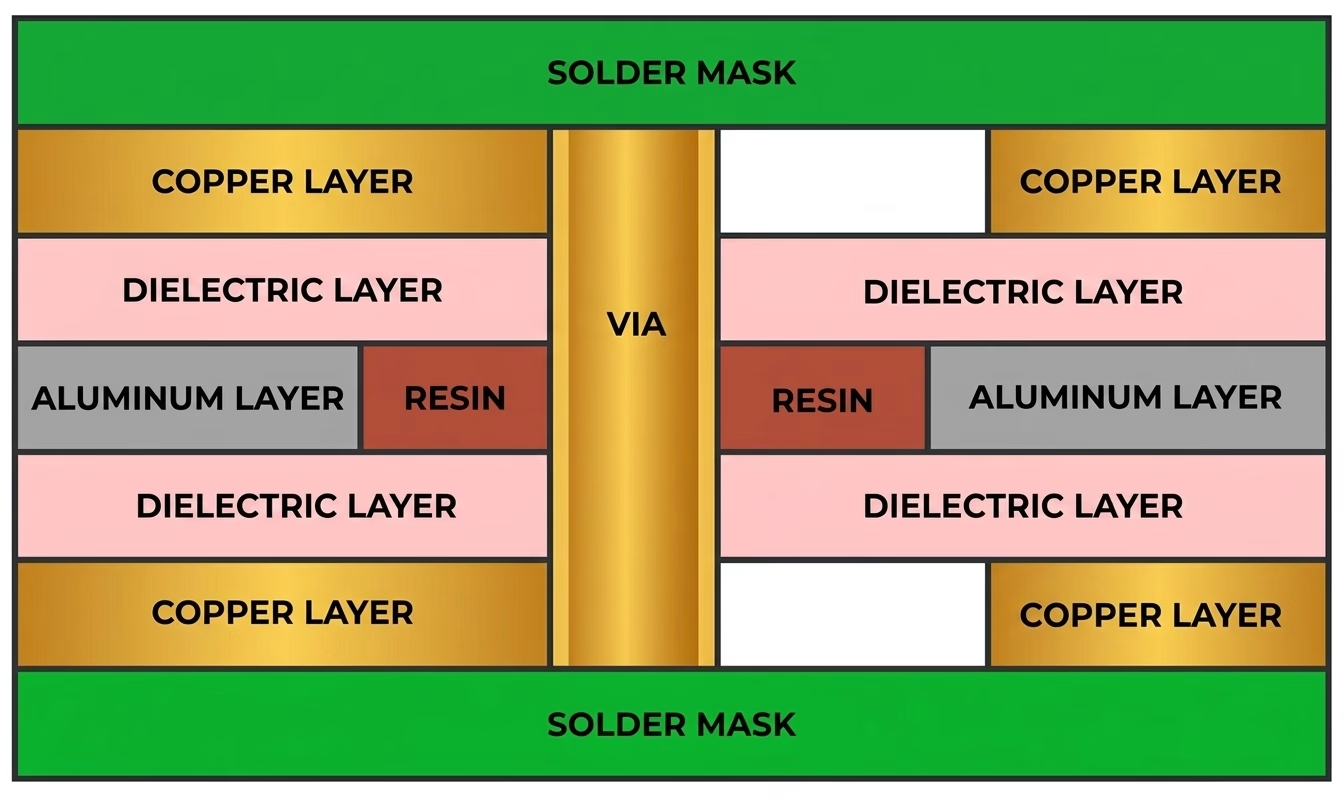
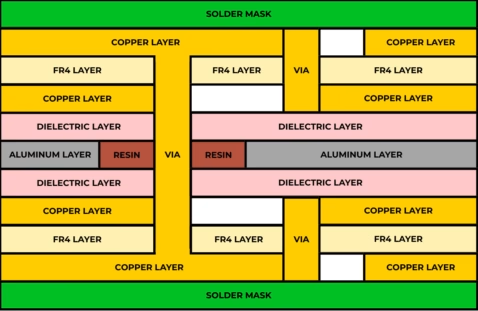
| Stack-Up Types | Single-sided, double-layer, multilayer, thermoelectric separation |
| Board Thickness | 0.4 mm to 3.2 mm standard |
| Dielectric Thermal Conductivity | FR4, 1, 2, 3 W/m.K; custom up to 15 W/m.K |
| Copper Thickness | 0.33 oz to 10 oz |
| Surface Finish | ENIG, ENEPIG, OSP, Hard Gold, Immersion Silver |
| Min Trace / Space | 2.5 mil or 4 mil options |
| Lead Time | 2-3 days prototype |
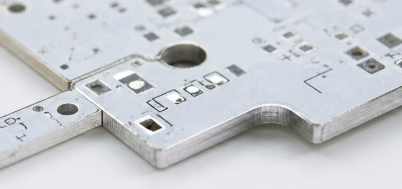
Specification of Aluminum Based Copper -Clad Laminate
| Part Number | AL-01-B10 | AL-01-B15 | AL-01-B30 | AL-01-B20 | GL12, GL22 |
| Vendor | BOYU | BOYU | BOYU | BOYU | GDM |
| Thermal Conductivity (W/m·k) |
1.0 | 1.5 | 3.0 | 2.0 | 1.0 < λ≤1.5 |
| Peel Strength (Lb/in) |
≥8 | ≥8 | ≥8 | ≥8 | ≥6 |
| Breakdown Voltage (AC/KV) |
5.0 | 5.0 | 4.0 for 75um dielectric thickness 4.5 for 100um dielectric thickness 6.0 for 125um dielectric thickness |
1.5 for 60um dielectric thickness 3.5 for 75um dielectric thickness 4.0 for 100um dielectric thickness 5.0 for 125um dielectric thickness |
≥2 |
| Tg (°C) | 110 | 110 | 150 | 130 | AABUS |
| Td (°C) | 380 | 380 | 380 | 380 | AABUS |
| Dk (@1MHz) | 4.8 | 4.8 | 4.8 | 4.8 | AABUS |
| Df (@1MHz) | ≤0.02 | ≤0.02 | ≤0.02 | ≤0.02 | AABUS |
| MOT | 130°C | 130°C | 130°C | 130°C | – |
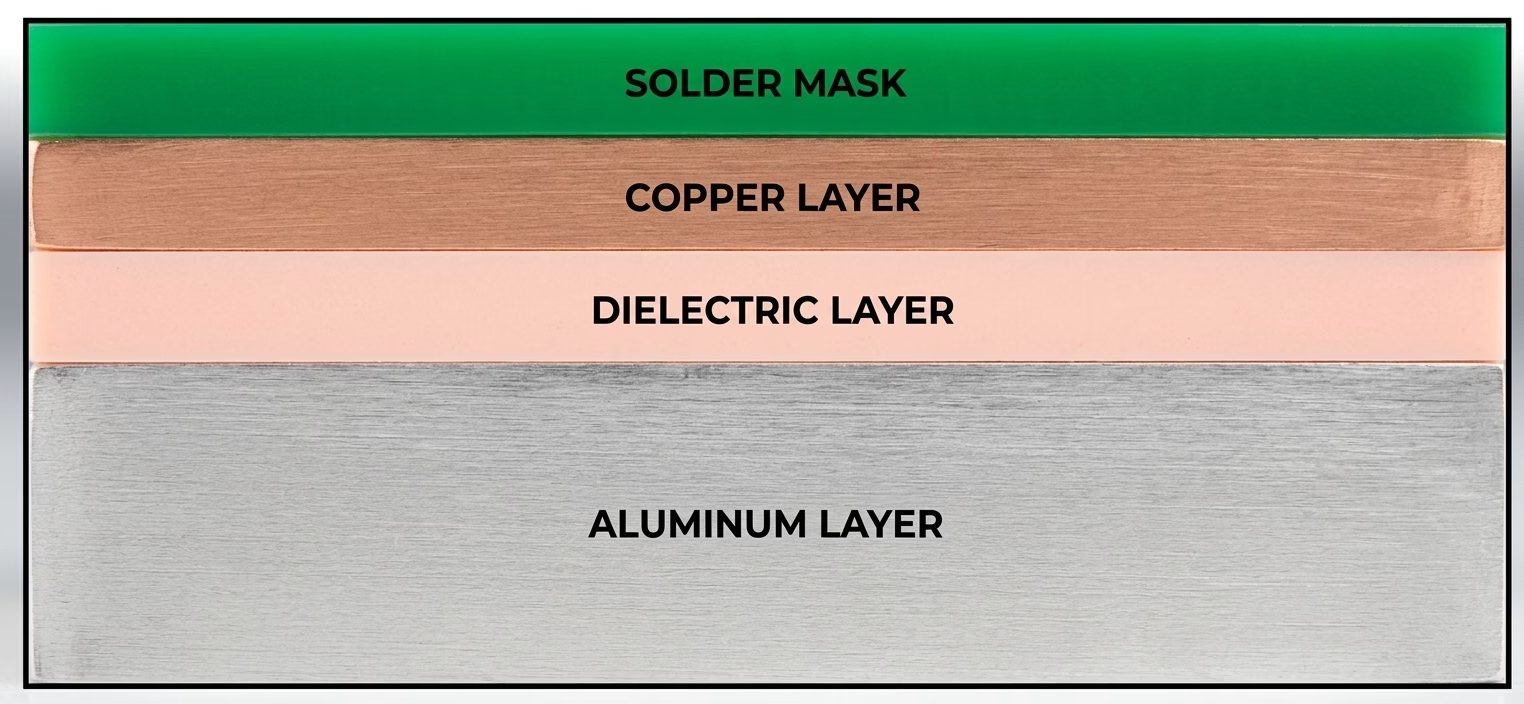
Types of Aluminum PCBs We Manufacture
Choose the right metal-core structure for thermal path, component layout, and production cost.
Production Challenges & Solutions
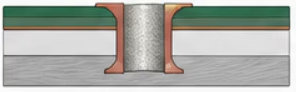
Plated through-holes can create a direct path to the aluminum core, leading to electrical leakage.
2.
Unbalanced copper thickness or dielectric selection can increase thermal resistance and reduce heat dissipation.
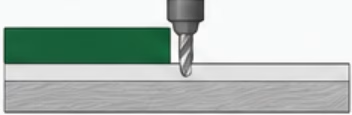
3. Routing & Drilling
Aluminum cores accelerate tool wear and can cause burrs or delamination during mechanical processing.
We use carbide or diamond tooling with optimized feeds and speeds, plus backing boards and fixture support for clean routing, drilling, and milling.
Need PCB Manufacturing or Assembly?
Get a free quote within 24 hours. We specialize in prototype-to-production PCB/PCBA for hardware teams worldwide.
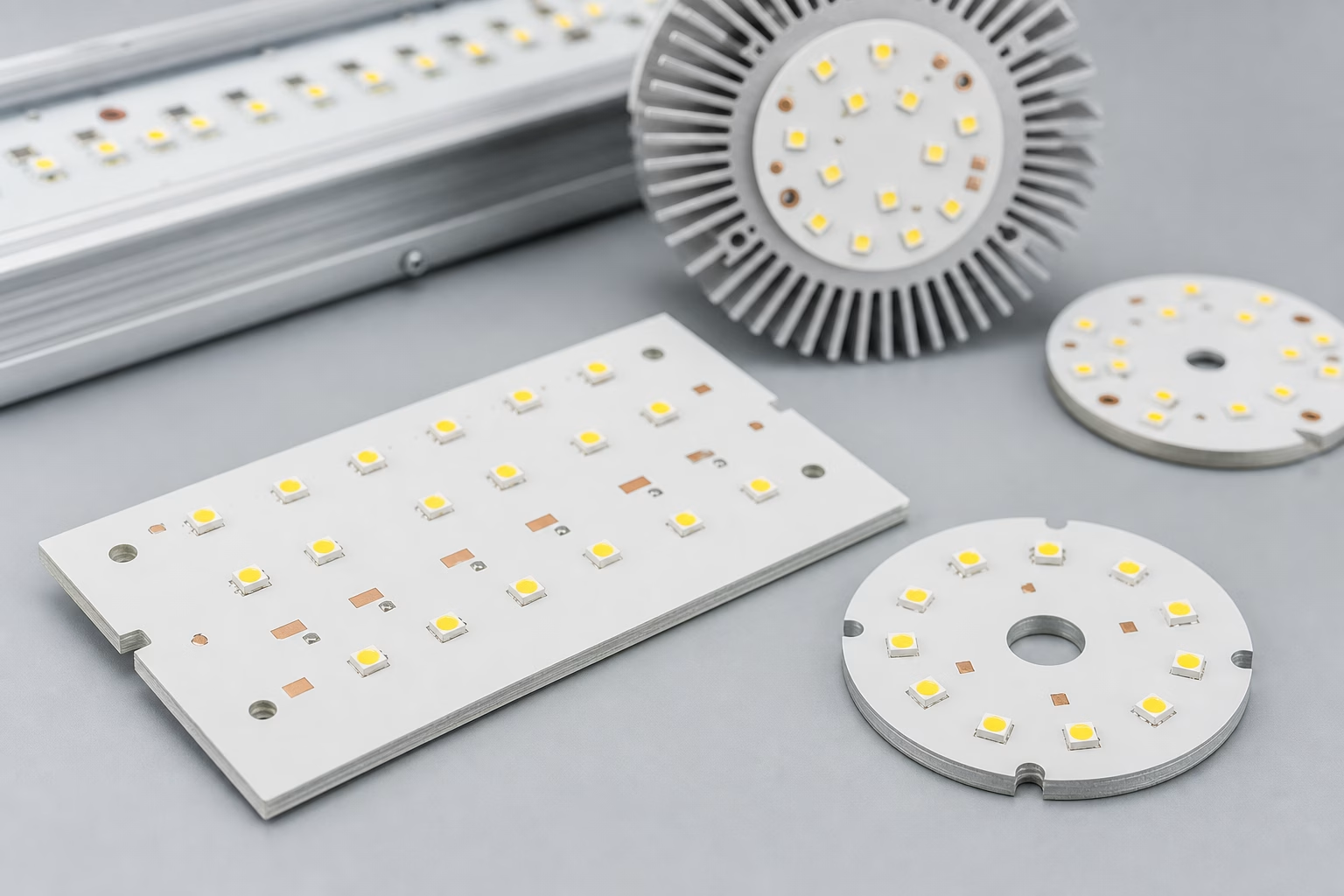
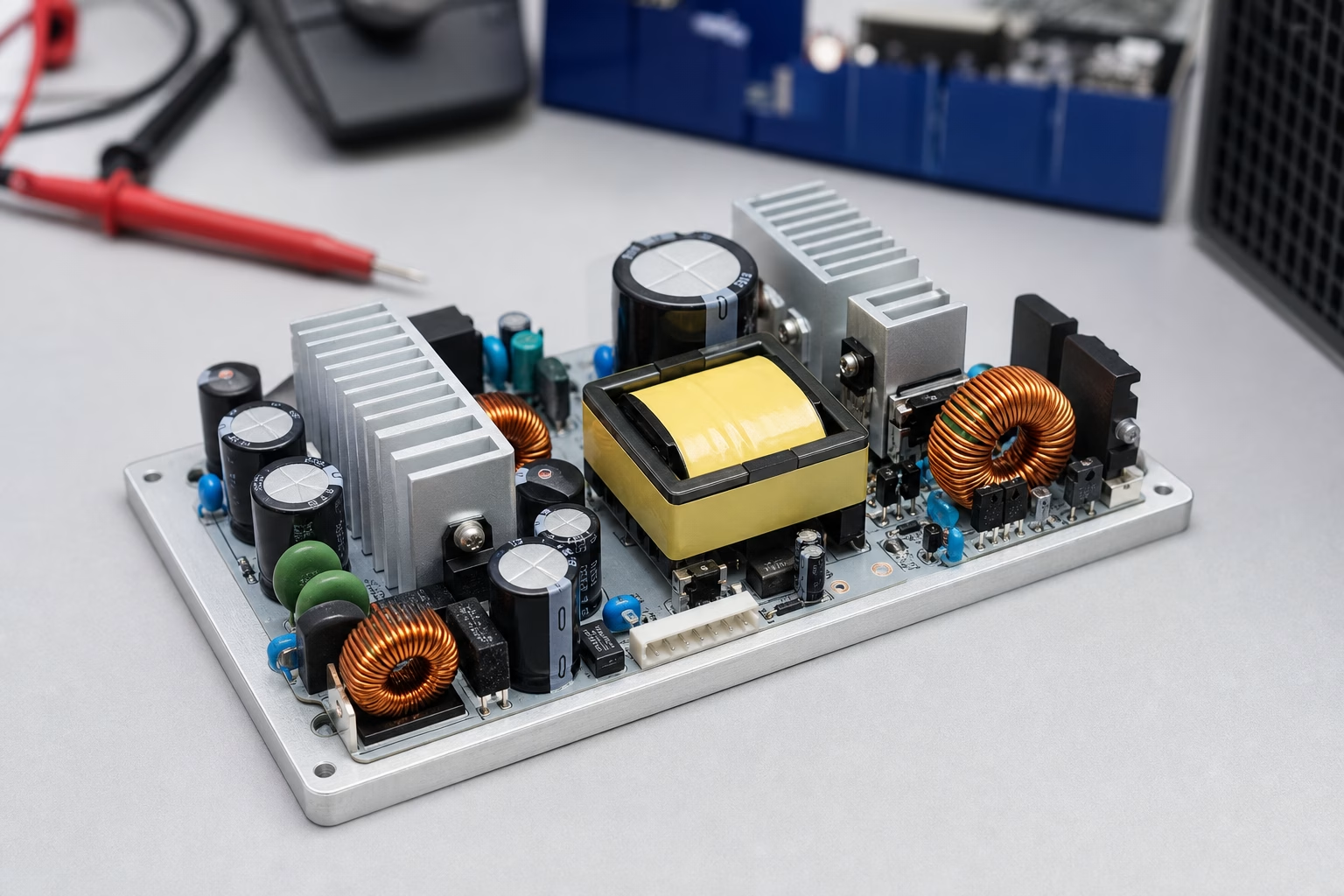
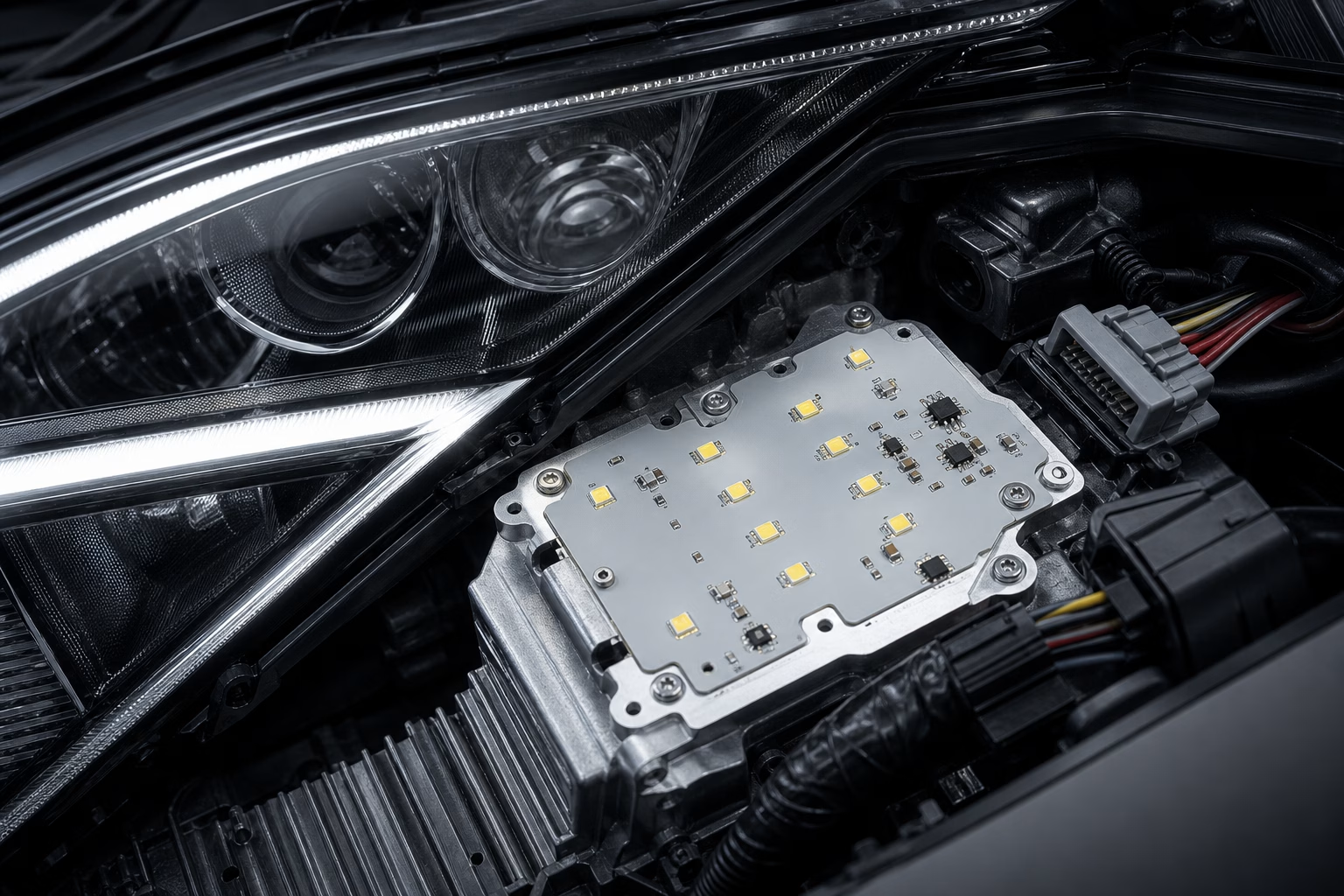
Applications for Aluminum PCBs
How to Order Your Aluminum PCB
Frequently Asked Questions
Q: When should I choose aluminum PCB instead of FR4?
A: Choose aluminum PCB when your design has high thermal load, such as LEDs, power conversion, automotive lighting, or industrial electronics where heat dissipation affects reliability.
Q: Can you manufacture multilayer aluminum PCBs?
A: Yes. We support single-sided, double-layer, multilayer, and thermoelectric separation structures depending on circuit complexity and thermal requirements.
Q: What files are needed for quotation?
A: Please provide Gerber files, drill files, board specifications, quantity, surface finish, solder mask color, and any special stack-up or thermal conductivity requirements.
Q: What surface finishes are available?
