
Manual PCB Assembly
Hands-on assembly for prototypes, small batches and components that need individual attention. OrinewPCB combines manual operations with the assembly process your board requires.
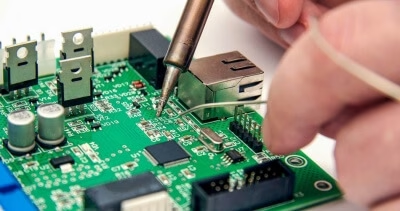
Manual PCB assembly uses technicians to place components or solder selected connections. A build can combine manual operations with SMT reflow or other reviewed soldering processes.
When Manual Assembly Makes Sense
Manual operations give selected parts and connections individual attention. Their value depends on the design, the assembly instructions and the work needed to prepare another process.
Prototype builds
Prototype boards may have DNP positions, orientation notes or special mounting requirements. Technicians can follow those instructions at the component level during assembly.
Small batches
For a limited number of accessible joints, manual work may reduce some setup requirements. The benefit must be weighed against hands-on labor and inspection time.
Selected through-hole parts
Connectors, switches and larger components may need careful positioning, a specified mounting height or controlled access during assembly.
Mixed-technology boards
A board can use SMT assembly for its surface-mount population and a reviewed manual operation for selected connectors or other parts so the process follows each part's requirements.
Choose the Process for the Board
Quantity alone does not determine the assembly method. Start with the populated board and its constraints—component packages, access, heat limits and inspection requirements—then compare candidate routes.
| Your project | Route to evaluate | What to confirm |
|---|---|---|
| A small build with selected, accessible joints |
Manual Manual placement or soldering for the reviewed operations. |
Joint count, tool access, component thermal limits and inspection time. |
| Dense SMD placement or repeat production |
Automated SMT Automated SMT for the surface-mount population. |
Package details, stencil requirements, component packaging and placement data. |
| SMT parts together with through-hole or special parts |
Combined Process A combined process, with manual work only where suitable. |
Assembly order, mounting height, soldering access and protection of installed components. |
| Fine-pitch parts or hidden solder joints |
Process Review A package-specific process review; an SMT route and additional inspection may be needed. |
Package and land-pattern data, thermal profile requirements and a method to verify hidden joints. |
| Method | Typical fit | Review points |
|---|---|---|
| Manual operations | Selected joints, accessible parts and small builds | Review labor, joint access and component thermal limits. |
| Automated SMT | Dense surface-mount populations and repeat builds | Review setup, packaging, stencil data and placement files. |
| Combined process | SMT boards with through-hole or special parts | Define process order and protect previously assembled components. |
Supply Parts Your Way
Full turnkey
We coordinate PCB fabrication, component procurement and assembly from the released project files.
Partial turnkey
Supply selected components while we source the remaining approved items.
Consigned kits
Provide the PCB and component kit, with part identification, quantities and handling instructions for review.
From Files to Finished Assemblies
-
01
Review the build
Align the BOM, PCB revision, drawings, quantity and special instructions.
-
02
Prepare materials
Check supplied or sourced parts and clarify missing items before the build proceeds.
-
03
Agree on the process
Define manual operations, other soldering steps and applicable acceptance requirements.
-
04
Assemble & inspect
Place and solder components using the reviewed process; inspect the board and resolve identified issues.
-
05
Complete checks
Perform specified tests and prepare the documentation and packaging included in the order.
Define What Gets Checked
| Inspection area | What it addresses | What to agree |
|---|---|---|
| Placement and visible joints | Component identity, orientation and visible workmanship | Agree on inspection criteria and critical locations. |
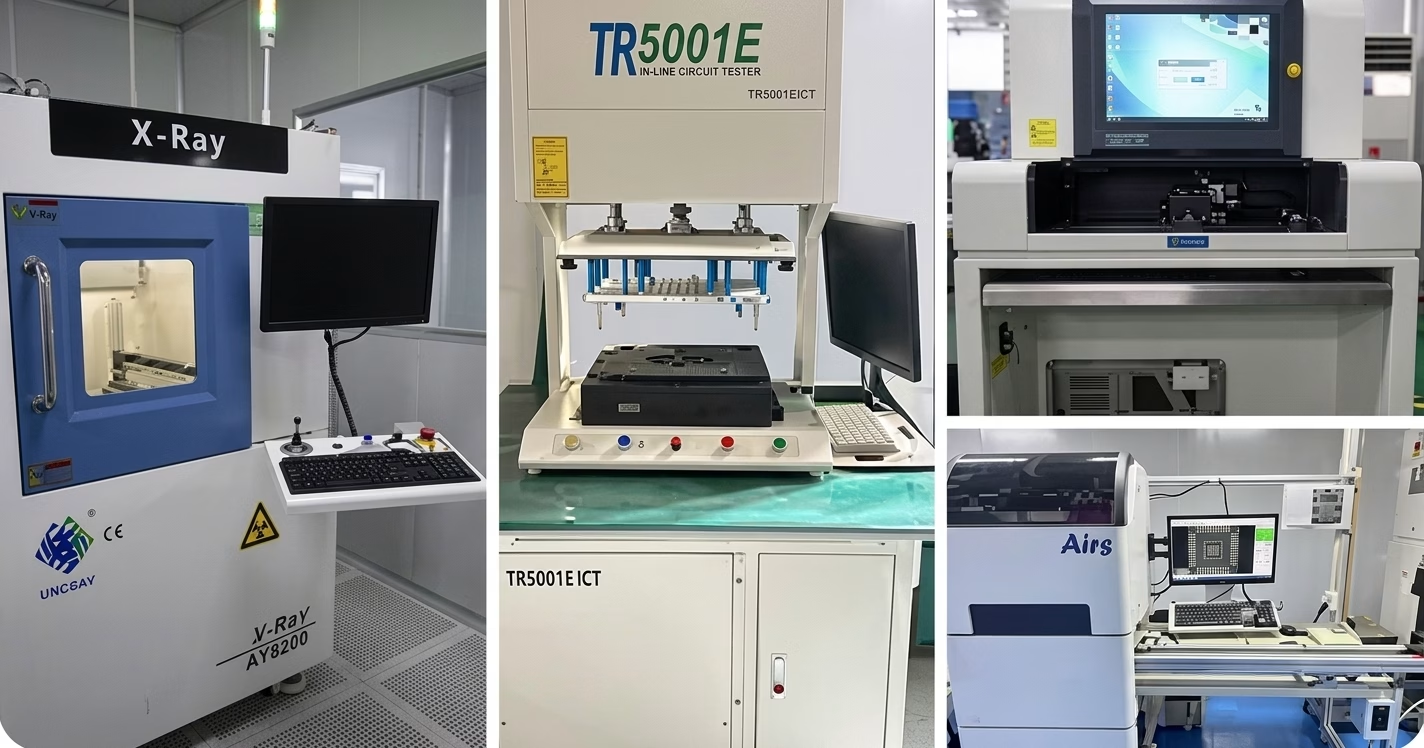
| Hidden connections | Joints that cannot be judged from the surface | Specify whether X-ray or another suitable verification method is required. |
| Electrical and functional checks | Connectivity or behavior under a defined procedure | Provide test access, limits, firmware and fixtures where needed. |
| Build records | First-article, inspection, test or traceability documentation | Define required records and scope in the quotation. |
Review the Workshop and Build Scope
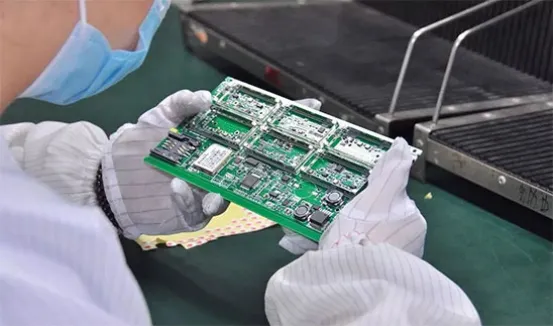
Explore our published workshop information, then discuss the inspection records and project documentation you need for supplier approval.
What Shapes Cost and Lead Time?
Four core variables determine whether manual, automated, or combined routing is most efficient for your build.
Assembly work
Joint count, access, package complexity and special handling affect labor.
Preparation
Setup, fixtures, drawings and unresolved revision questions affect the route and quotation.
Material readiness
Part availability and the completeness of a consigned kit affect the build schedule.
Verification
Functional testing, programming and additional records add scope to agree before production.
Manual Assembly Questions
Is manual assembly the same as through-hole assembly?
No. Through-hole describes how a component is mounted. Manual describes an operation performed by a technician; through-hole boards may use hand, wave or selective soldering.
Can manual and SMT assembly be combined?
Yes. A route can combine SMT assembly with manual placement or soldering for selected parts, subject to board and component review.
Is manual assembly always cheaper for small batches?
No. Labor, joint count, access, setup and inspection affect total cost. Compare the complete route for the actual design.
Can fine-pitch or hidden-joint parts be assembled by hand?
These packages require process review. Do not assume hand soldering or surface inspection alone is suitable; an SMT route and additional inspection may be needed.
Can I supply my own components?
Yes. Consigned and partial-turnkey options are available. Provide part numbers, quantities, kit details and handling requirements for review.
What files should I send?
Send the BOM, PCB manufacturing data, assembly drawings, quantity and special requirements. Include placement data for relevant SMT operations and the test procedure where required.
Is functional testing included?
The test scope is agreed for the order. Specify expected functions, pass/fail limits, firmware, interfaces and required fixtures.
How quickly can my boards be assembled?
Timing depends on released files, available materials, process and test scope. Share your required delivery date for schedule review.
Send Your Manual Assembly Requirements
Share the current files and tell us which parts or operations need special attention. Include your quantity, material plan and acceptance requirements.
PCB data
Manufacturing files, board revision and fabrication requirements.
BOM
Manufacturer part numbers, reference designators, quantities, approved alternates and DNP positions.
Assembly instructions
Drawings, polarity, orientation, placement data where applicable and handling notes.
Build plan
Quantity, material responsibilities, available parts and requested delivery date.
Acceptance
Inspection criteria, test procedure, firmware or fixtures where needed, and requested records.
