One-Stop PCB Assembly Services — From Prototype Design to Mass Production

OrinewPCB provides one-stop PCB assembly for prototypes, NPI and repeat production. We coordinate PCB fabrication, component sourcing, SMT/THT assembly, agreed inspection and testing, and optional box build. Send Gerber files, a BOM and assembly requirements for project review and quotation.
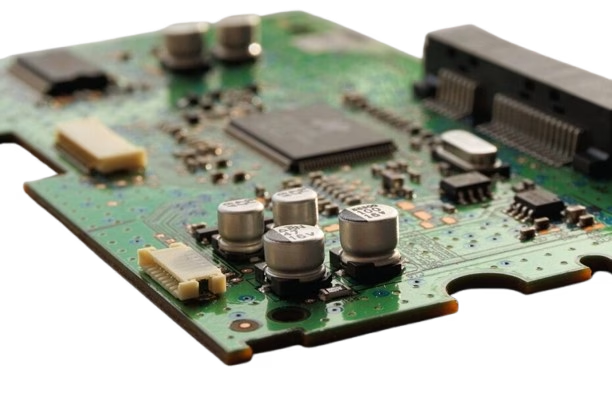
  • Single/double side SMT and through-hole assembly.
  • Global component sourcing from authorized distributors.
  • Complete turnkey solutions from fabrication to box build.
PCB Assembly

14+

Years Experience

98.15%

On-Time Delivery

96%

customer satisfaction rate

99%

Quality Pass Rate

Cheap One Stop PCB Assembly

Compare PCB assembly quotes against the same build scope: board revision, quantity, component sourcing, assembly, inspection and testing. Ask which tooling, fixtures, programming, coating, box build and shipping costs are included, and which are quoted separately.

Our one-stop service coordinates PCB fabrication, component sourcing, SMT/THT assembly, inspection and agreed testing. A single point of contact helps manage production handoffs, material availability and delivery requirements.

Assembly is managed under an ISO 9001:2015 quality system. Inspection methods, functional testing, acceptance criteria and required records are agreed for each project before production.

PCB Test

Our One Stop PCB Assembly Services Capabilities

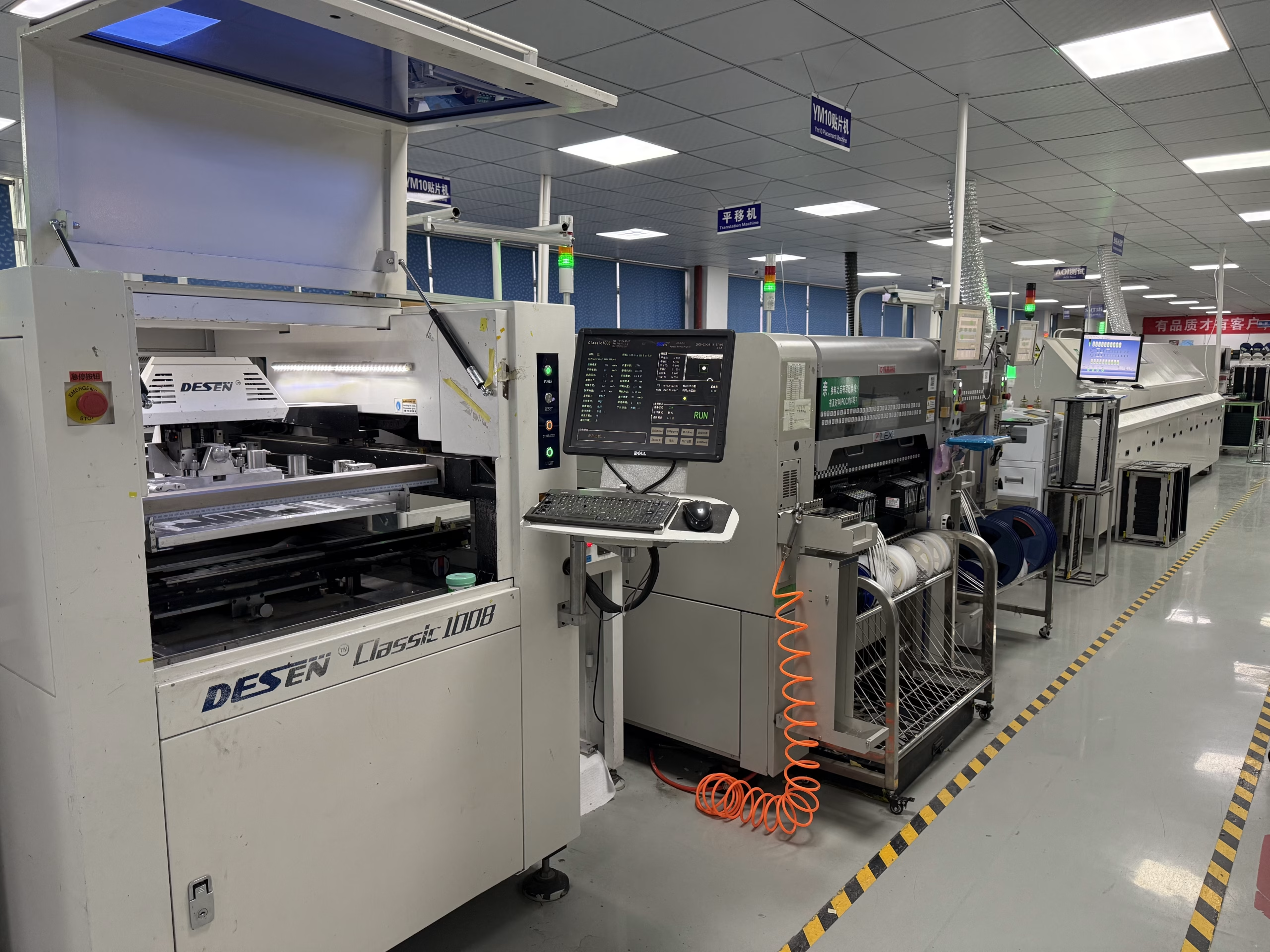
PCB delivers comprehensive assembly capabilities for printed circuit board assembly projects, combining stencil creation, solder paste application and reflow processing under controlled assembly process conditions.

Inspection and testing are defined by the approved project plan under an ISO 9001:2015 quality system. Additional certification and compliance requirements are confirmed by facility, product, material and order scope.

PCB fabrication supports 1 to 40+ layers and finished board thicknesses from 0.2 to 7.0 mm. High-layer-count boards, complex stackups and material combinations are subject to engineering review.

FR4 standard materials support PCB manufacturing alongside high Tg variants, Rogers HF materials, aluminum metal core, copper core, and ceramic substrates for advanced PCB applications.

Production trace width and spacing are 3/3 mil. Special prototypes may support 2/2 mil subject to engineering review. Final design rules and tolerances are confirmed during stackup and fabrication review.

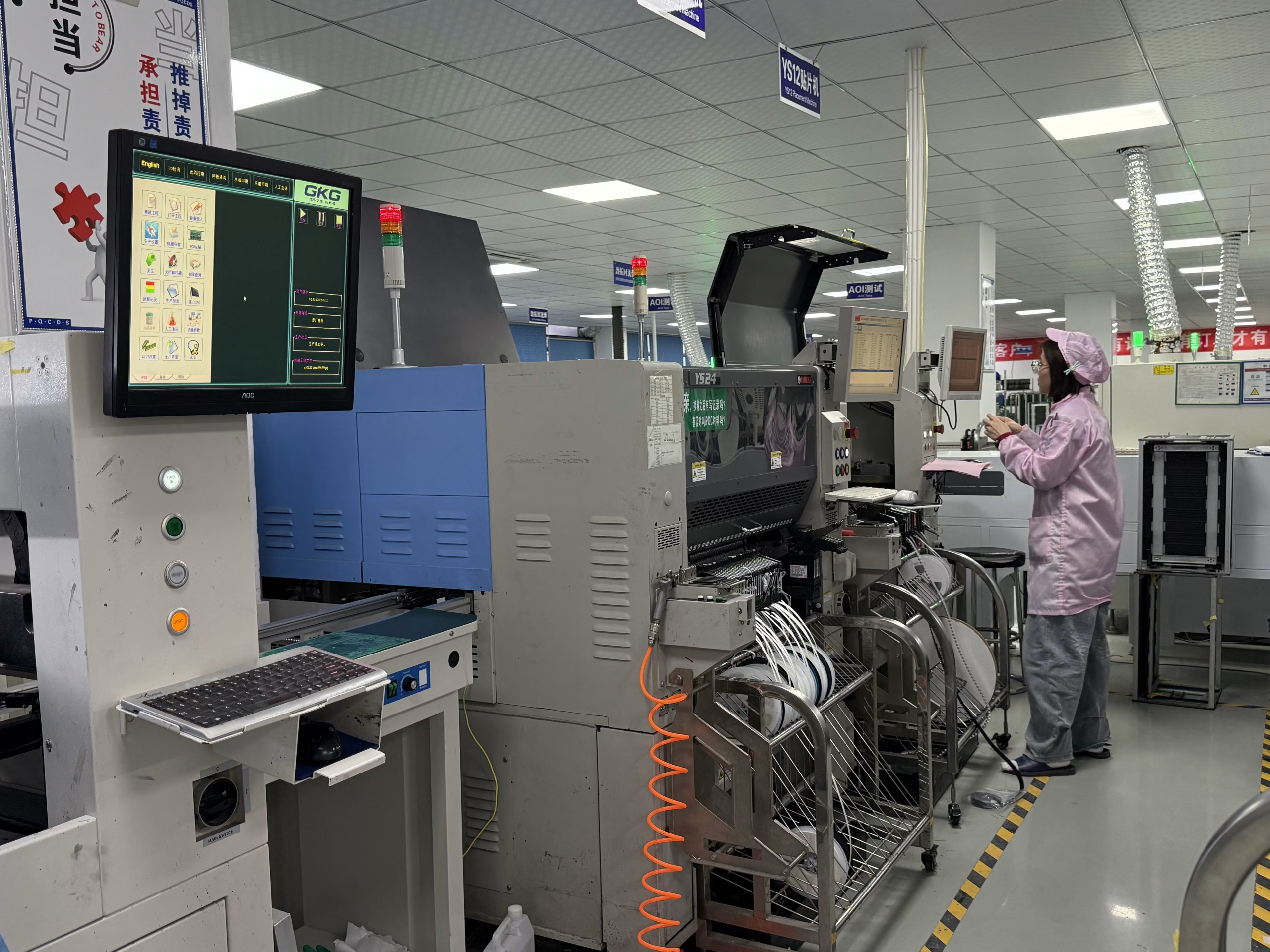
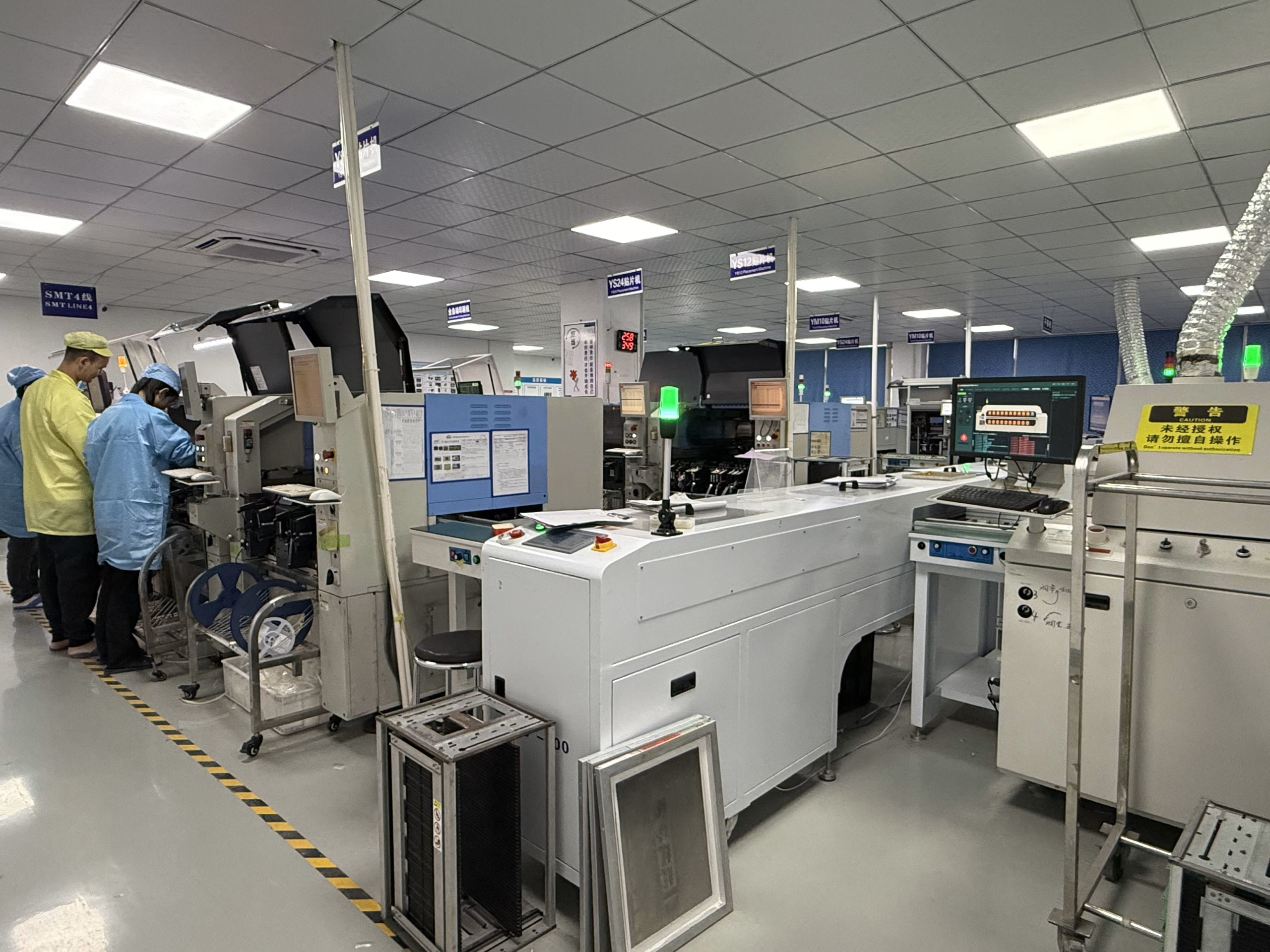
SMT assembly operations handle electronic components from 01005 miniaturized devices through large BGA assembly arrays with a minimum 0.3mm pitch capability.

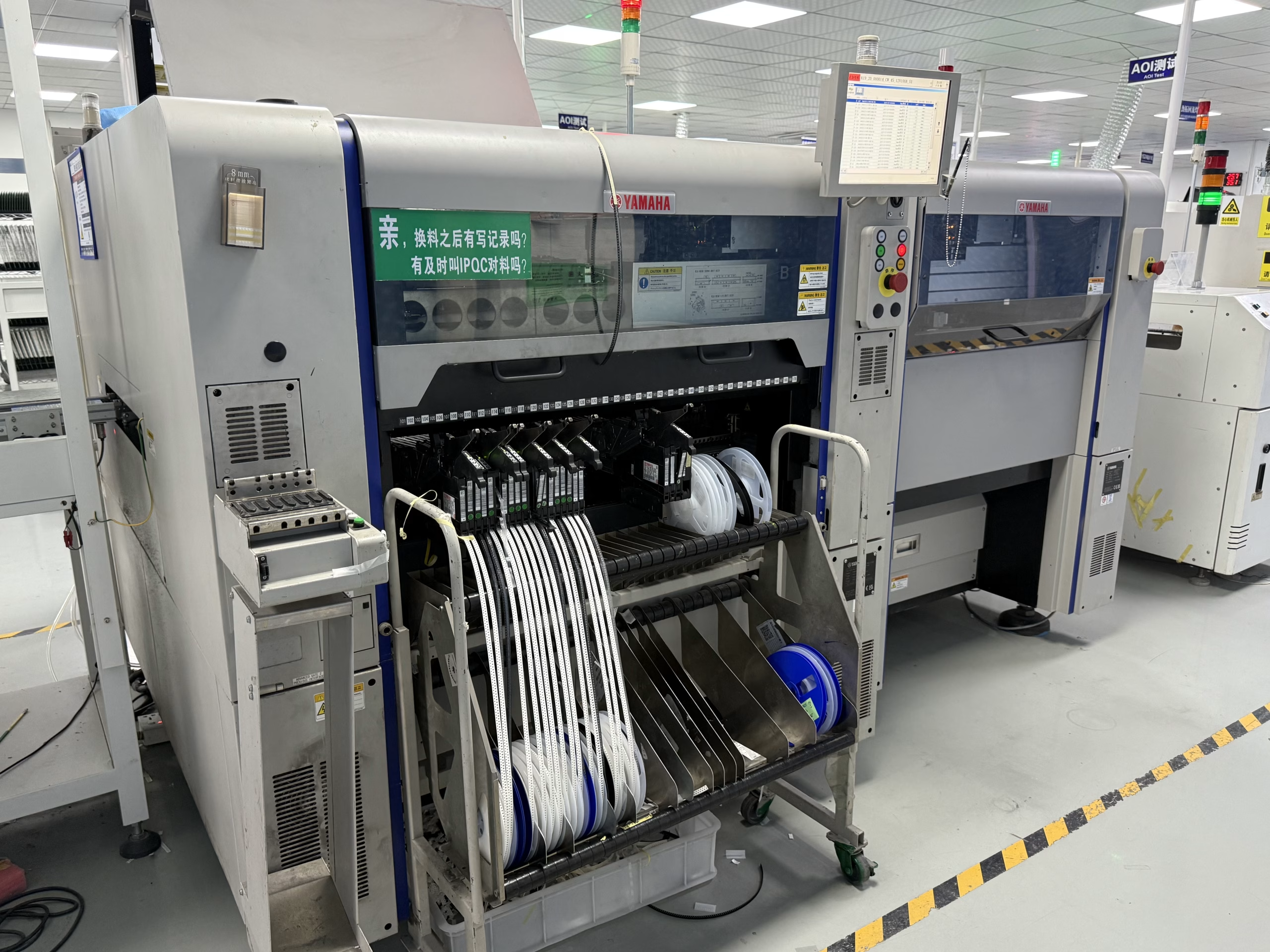
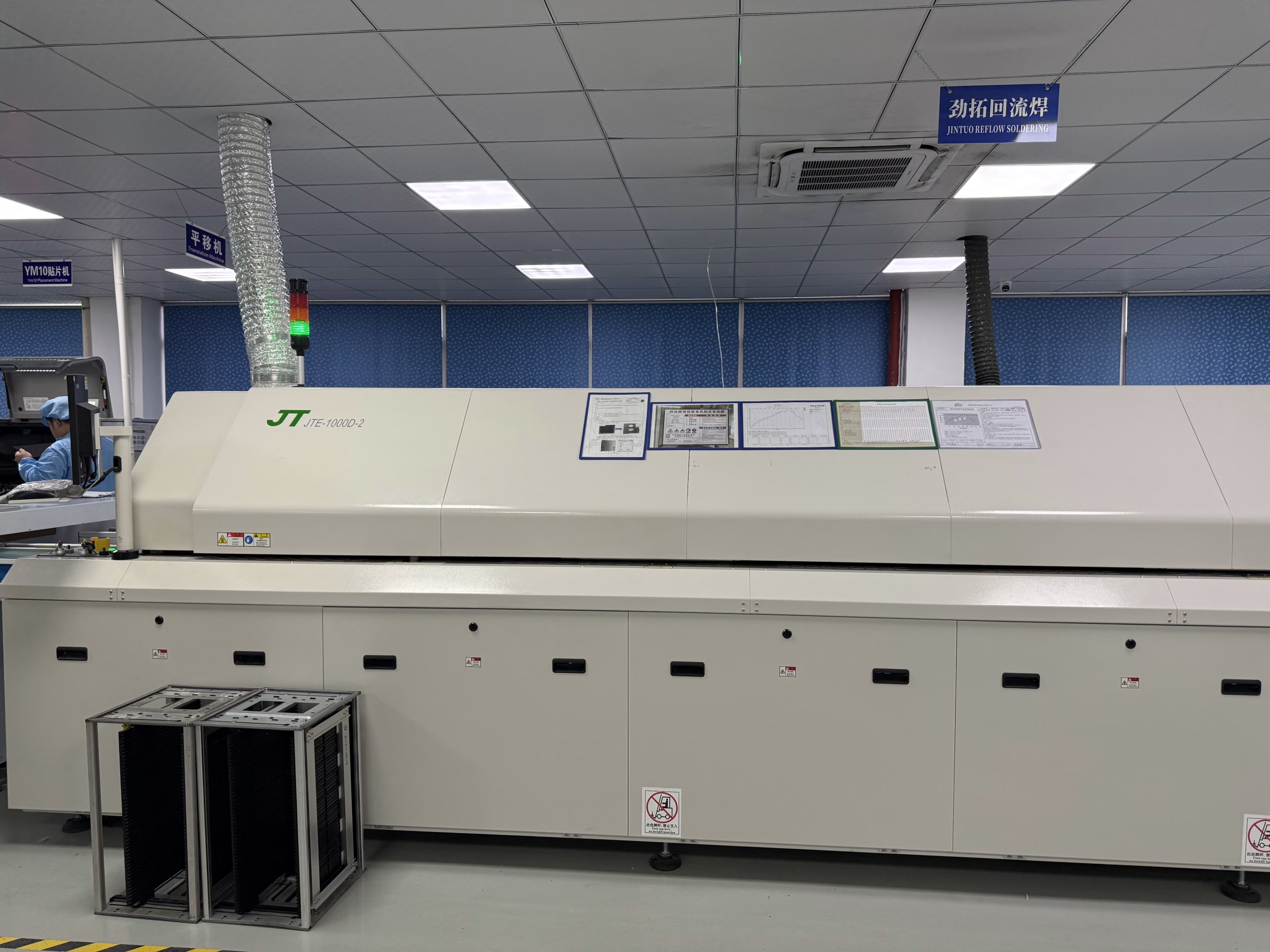
Surface mount technology placement uses stencil printing for solder paste application before component positioning.

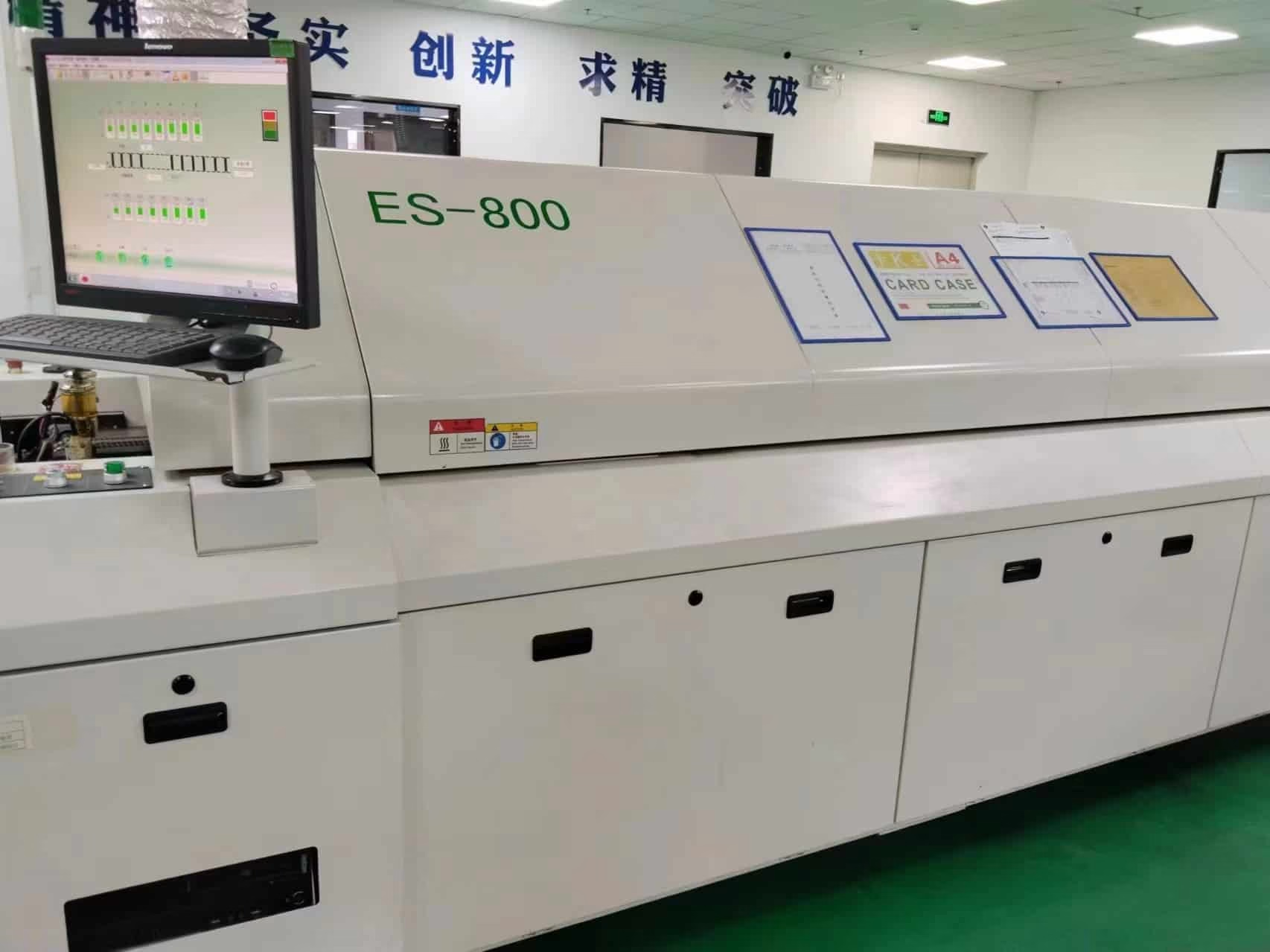
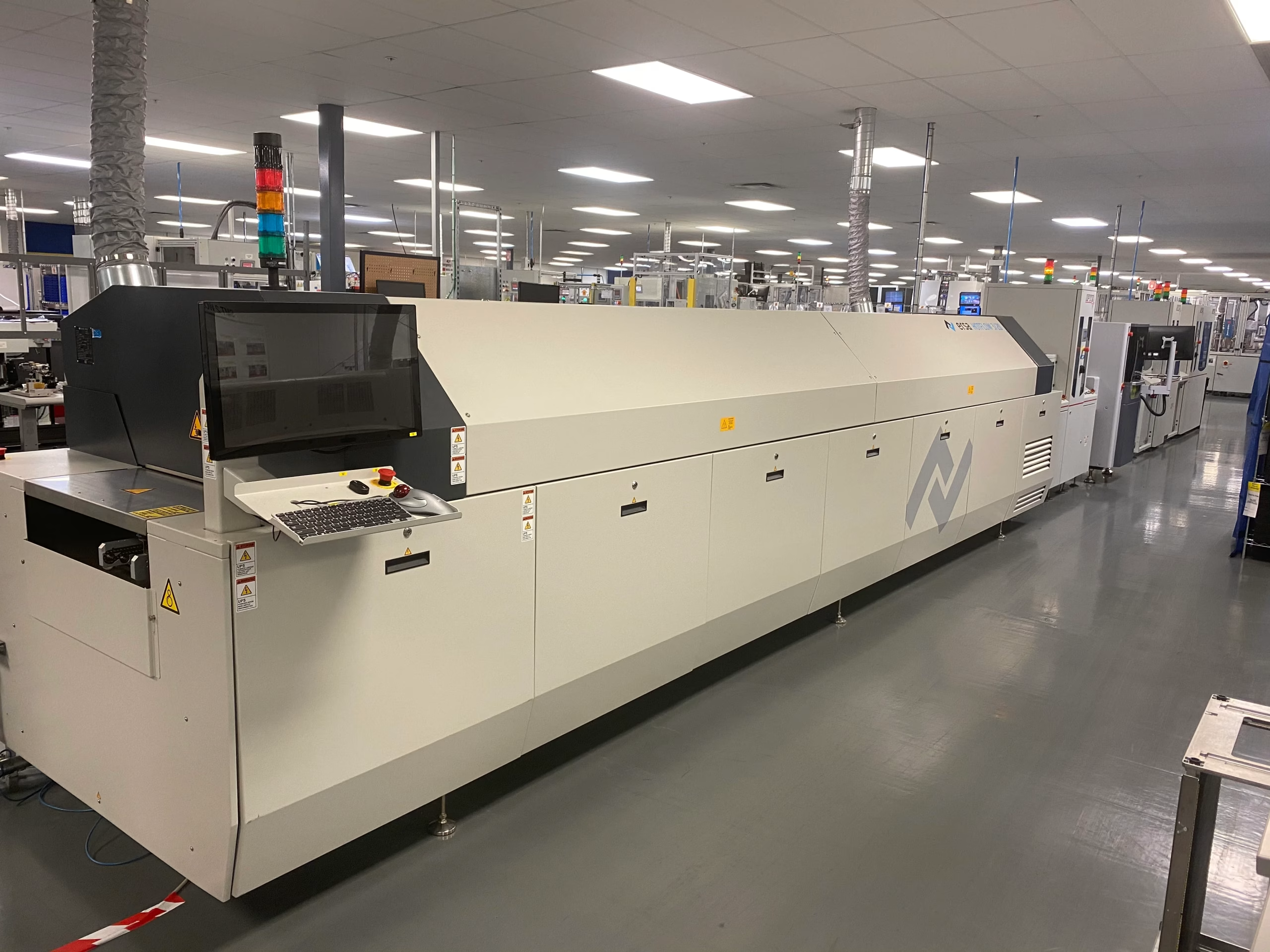
Reflow ovens operate with nitrogen atmosphere control, maintaining placement accuracy within ±30µm under 3σ conditions.

SMT processing throughput reaches 600,000 chips per hour for high quality PCB production.

Wave soldering systems process standard through-hole components with selective soldering targeting specific areas requiring thermal isolation.

THT assembly includes manual soldering stations that handle mixed assembly requirements and unconventional component geometries.

Through-hole solder joint quality follows IPC-A-610 acceptance criteria for PCB assemblies requiring robust mechanical connections.

SMT and THT integration supports complex PCBA designs requiring multiple assembly technologies within one manufacturing process.

Blind, buried, and microvias achieve a minimum 0.1mm diameter through laser drilling processes for PCB density optimization.

Via-in-pad configurations enable compact PCB layout while controlled impedance routing maintains signal integrity across circuit boards.

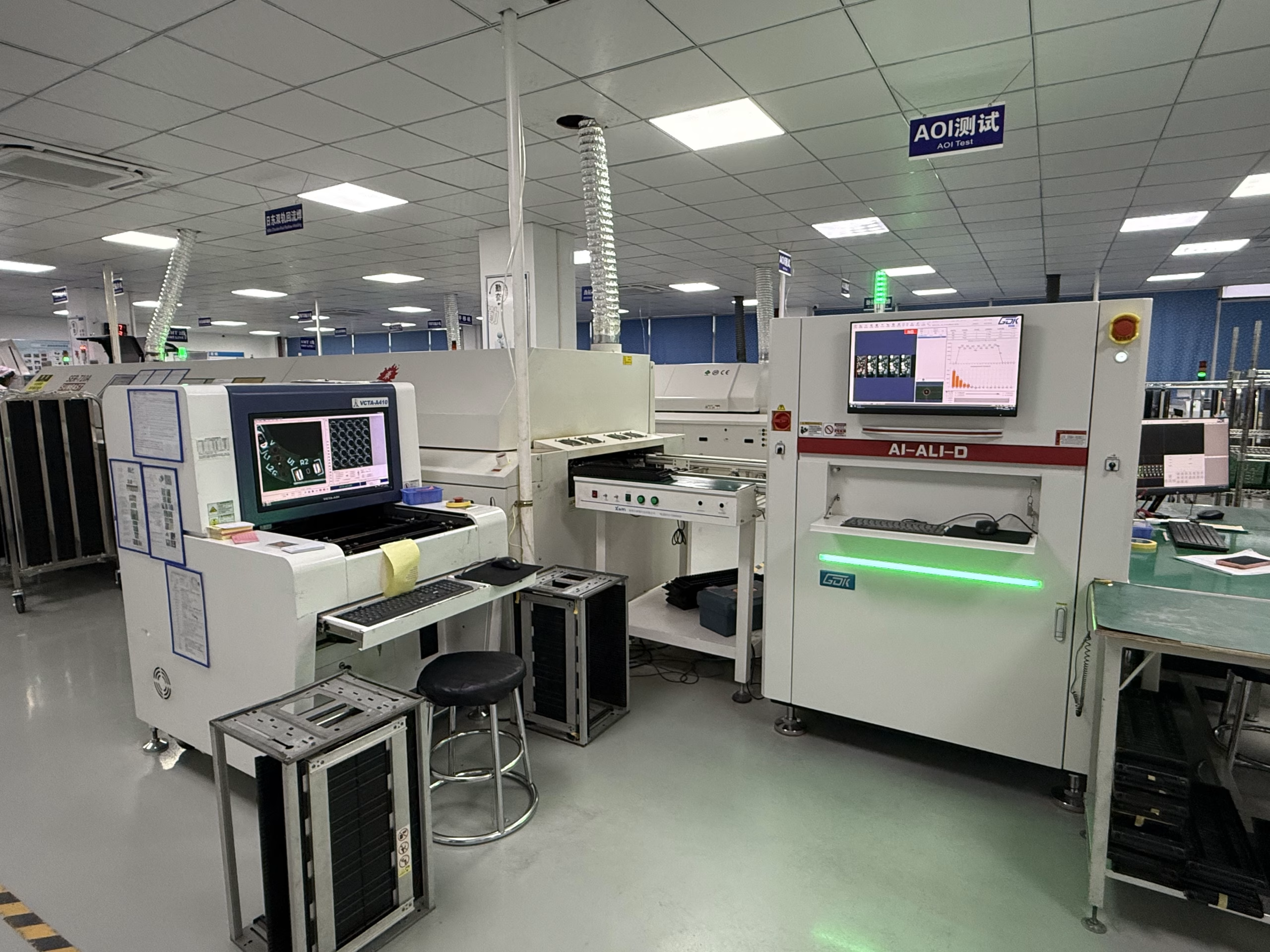
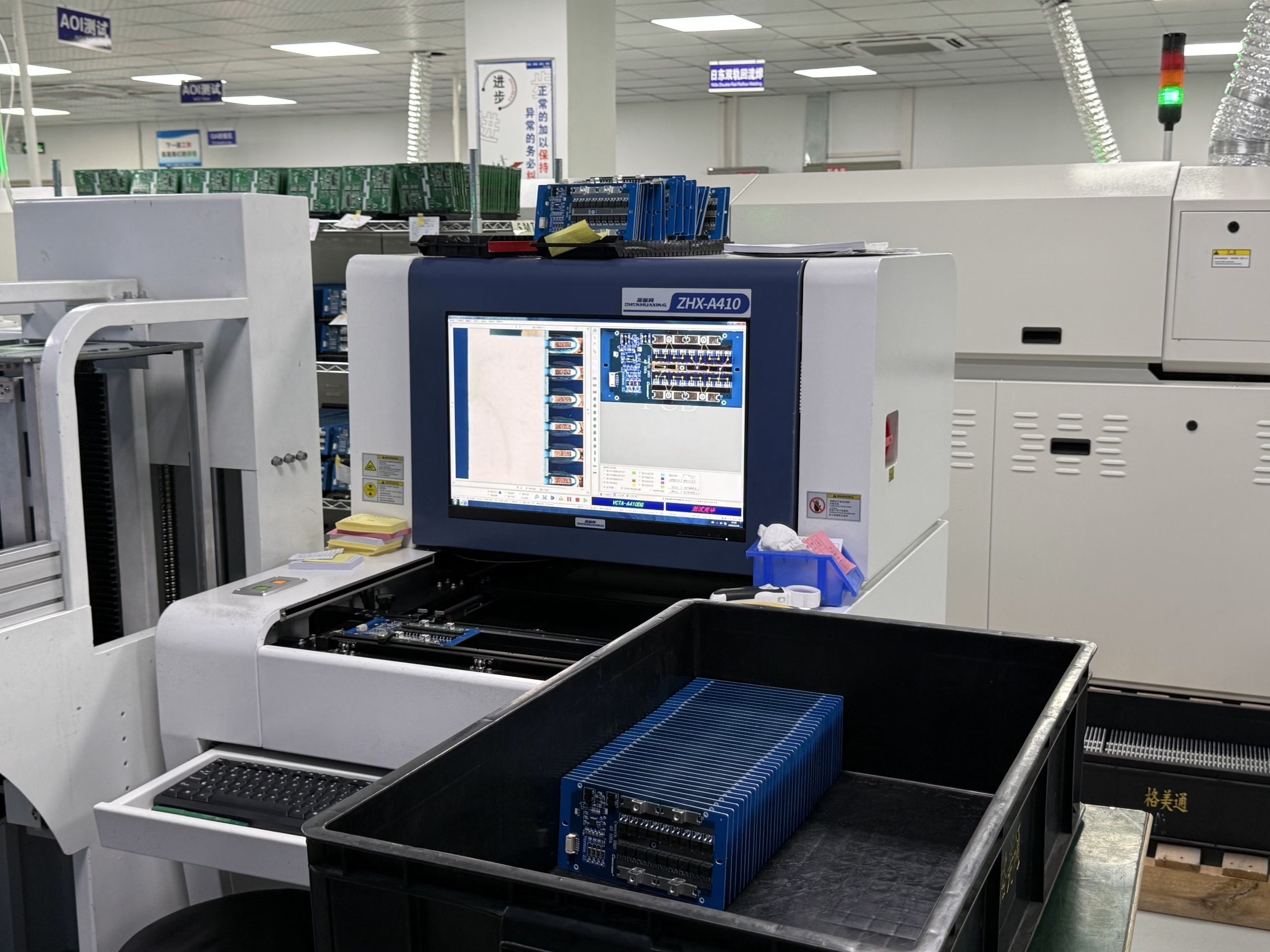
3D AOI systems perform solder joint optical inspection with automated defect classification for quality and precision validation. X-ray inspection verifies BGA solder ball integrity and voiding analysis beneath electronic components.

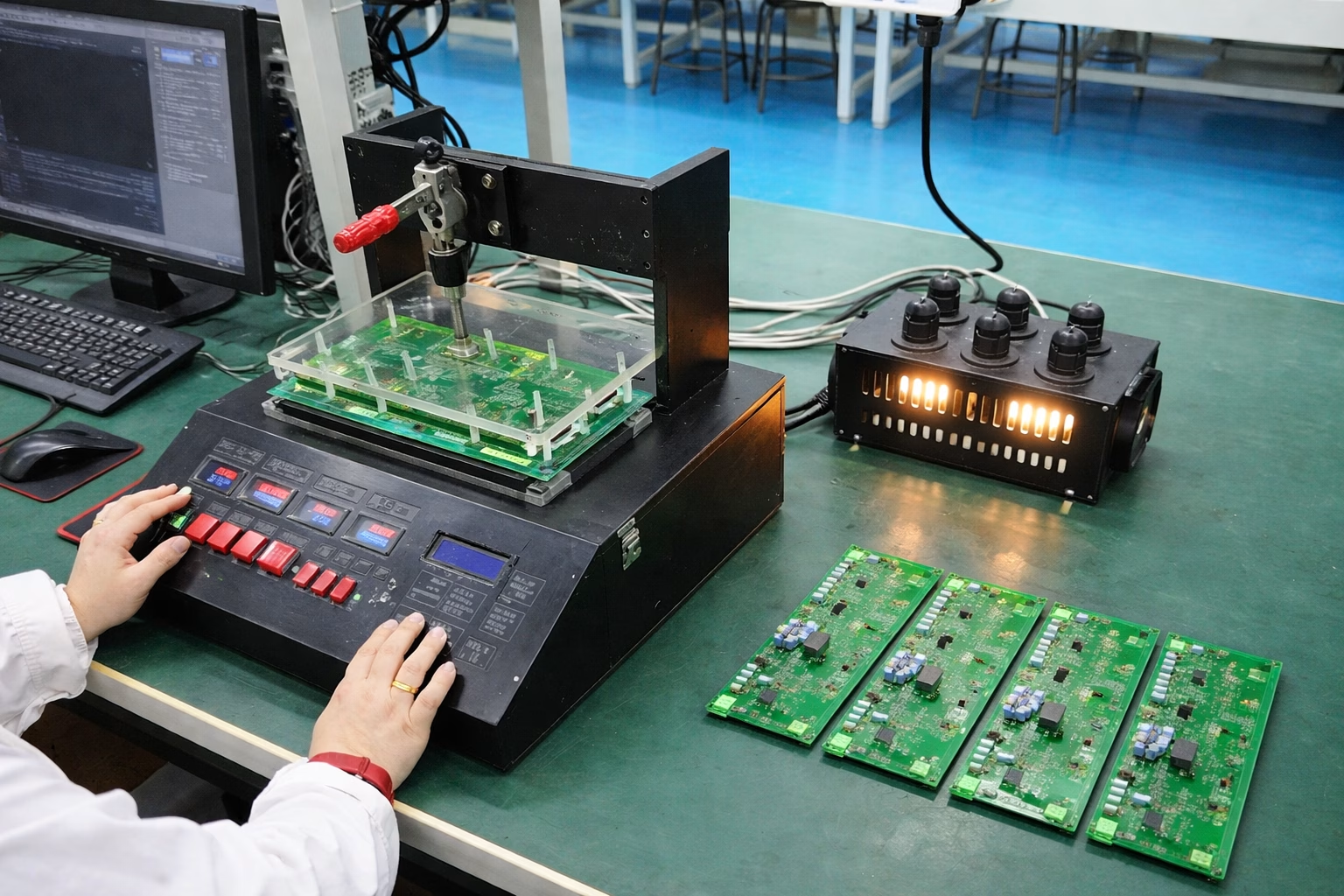
In-circuit testing validates electrical connectivity while functional test equipment confirms operational performance. Assembly testing protocols include X-ray analysis for hidden solder defects.

Authorized distributor partnerships include Digi-Key, Mouser Electronics, Avnet, Arrow Electronics and Future Electronics for global electronic components availability.

BOM optimization service analyzes component lifecycles while BOM management recommends alternatives and implements obsolescence mitigation strategies.

Component sourcing supports prototypes through volume PCB production requirements.

Cable assembly and wire harness integration complement PCB and PCBA service offerings for complete system builds.

Box build assembly includes mechanical housing integration, labeling and ESD-safe packaging that prepares electronic products for final shipment.

System-level functional testing confirms end-product performance while value added services support complete electronic assemblies.

PCB prototype fabrication delivers finished prototype PCB boards within 2 weeks for fast development schedules with reduced lead time.

Prototype assembly service includes Design for Manufacturing (DFM) analysis that optimizes PCB design layouts for production efficiency.

New Product Introduction (NPI) support accommodates 1 to 100 piece pilot builds with dedicated engineering teams managing prototype to production transitions.

Materials We Use for One Stop PCB Assembly Manufacturing

We use eight main PCB materials including FR4, Rogers, aluminum, copper core, ceramic, flex PCB and rigid-flex substrates for one stop PCB assembly projects.

Material properties depend on the exact grade, thickness, test method and stackup. The values below are indicative selection references, not guaranteed operating limits for a finished PCBA. Confirm the laminate datasheet and project requirements before ordering.

Material Type Description & Applications Specifications
FR4 Standard The most commonly used material for PCB fabrication. FR4 provides reliable performance for general purpose electronic products and offers excellent cost effectiveness for standard applications.

Glass transition temperature: 266°F to 356°F (130 to 180°C).

Operating range: negative 40°F to positive 266°F (-40°C to +130°C).

Dielectric constant: 4.2 to 4.6 @ 1MHz.

High-Tg FR4

High temperature FR4 variant designed for lead free assembly processes requiring higher thermal stability.

High-Tg materials can improve thermal stability. Resistance to delamination depends on the selected laminate, moisture control, stackup and reflow profile.

Glass transition temperature: 338°F to 356°F (170-180°C).

Operating range: negative 67°F to positive 302°F (-55°C to +150°C).

Decomposition temp: greater than 572°F (300°C).

Flex PCB (FPC)

Flexible printed circuit board materials enable bending and folding within compact spaces.

Flex PCB substrates connect moving parts while maintaining electrical performance through repeated flex cycles.

Polyimide base: 0.5 to 4 mil thickness.

Flex life: Confirmed for the bend radius, stackup, copper type and required number of cycles.

Operating temperature: Confirmed for the selected polyimide, adhesive, coverlay and assembled product requirements.

Aluminum PCB

Aluminum substrates provide superior heat dissipation compared to FR4 materials.

Aluminum PCBs suit high power applications requiring rapid thermal management, particularly LED lighting and power electronics.

Thermal conductivity: 1.0 to 2.0 W/m·K.

Operating range: negative 40°F to positive 302°F (-40°C to +150°C).

Dielectric performance: Confirmed from the selected insulated metal substrate datasheet and required isolation test.

Rogers Materials

Rogers substrates deliver advanced electrical properties for high frequency applications.

When precise dielectric constants and low loss characteristics are needed, Rogers materials provide the solution for professional RF engineering.

Dielectric constant and tolerance: Specified by the selected Rogers laminate grade and test method.

Frequency suitability: Confirmed for the selected laminate, stackup and RF design.

Loss tangent: 0.0009 to 0.0035.

Ceramic PCB

Ceramic substrates handle extreme temperature applications beyond organic material limits.

Alumina and aluminum nitride ceramics provide exceptional thermal conductivity and dimensional stability for demanding environments.

Thermal conductivity: 24 to 30 W/m·K.

Operating temperature: Confirmed for the ceramic grade, metallization, assembly materials and application.

Dielectric constant: 9.8 @ 1MHz.

Rigid Flex PCB

Rigid flex combinations integrate FR4 rigid sections with polyimide flex areas in single PCB designs.

These materials eliminate connectors while enabling three dimensional PCB configurations for compact electronic products.

Impedance tolerance: ±5 to 10%.

Twist & warp: less than 0.75%.

Temperature cycling: negative 67°F to positive 257°F (-55°C to +125°C).

How To Order From OrinewPCB

Online Quote
Get an instant quote by providing your details and specifications.
Instant
1
2
Order Review
Our team carefully reviews your order to ensure accuracy.
Quality Check
Payment
Secure your order with a hassle-free payment process.
Secure
3
4
Production
We begin crafting your order with precision and efficiency.
In Progress
Delivery
Your order is shipped swiftly using reliable carriers.
Fast Shipping
5
6
Confirm Received
Receive your order and confirm everything meets your expectations.
Complete

The Benefits of Partnering With OrinewPCB As Your Wholesale One-Stop PCB Assembly Manufacturers

Partnering with OrinewPCB for wholesale one-stop PCB assembly offers numerous advantages. We provide end-to-end solutions, streamlined communication, and cost savings. Here are the key benefits:

Streamlined Production

  • Single point of contact for the entire PCB assembly process
  • Faster turnaround times with in-house capabilities

Cost Savings

  • Bulk pricing on components and materials
  • Reduced shipping and handling costs

Quality Control

  • Consistent quality standards across all production stages
  • Rigorous testing at each step of assembly

Flexibility and Customization

  • Tailored solutions to meet specific project requirements
  • Ability to handle various PCB types and complexities

Why Choose a One-Stop PCB Assembly Service?

One-stop PCB assembly services offer a simplified approach to circuit board production. They eliminate the need to coordinate with multiple vendors and streamline the entire process. Here’s why you should consider a one-stop service:

Time Efficiency

  • Faster project completion with all processes under one roof
  • Reduced delays from shipping between facilities

Cost-Effectiveness

  • Lower overall costs due to integrated services
  • Bulk pricing on components and materials

Improved Quality Control

  • Consistent quality standards throughout production
  • Easier tracking and resolution of issues

Simplified Project Management

  • Single point of contact for all assembly stages
  • Streamlined communication and coordination
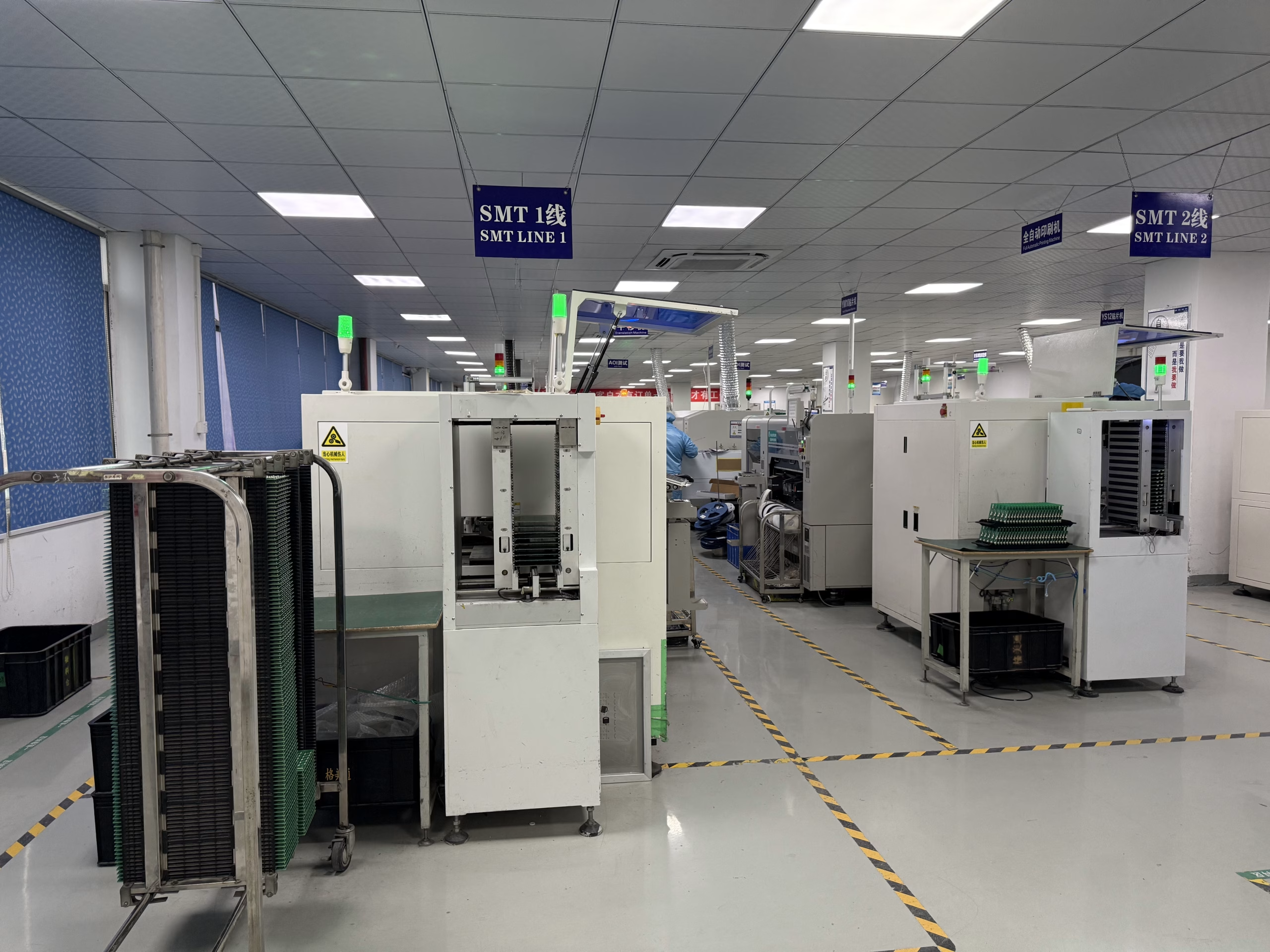
Factory - PCBAndAssembly

PCB Assembly Services

OrinewPCB offers a wide range of PCB assembly services to meet diverse customer needs. From standard to specialized assemblies, we have the expertise to deliver high-quality results. Our services include:

SMT Assembly

We excel in Surface Mount Technology assembly, perfect for compact and high-performance products. Our advanced equipment ensures precise component placement and reliable connections.

Consigned Components or Turnkey PCB Assembly

Choose turnkey PCB assembly sourcing, customer-supplied components or a mixed supply model. Identify sourcing responsibility for each BOM line and flag approved alternates. Substitutions require customer approval before use; consigned quantities, packaging and handling requirements are confirmed during review.

Custom PCB Assembly

Send matching Gerber files, a BOM with manufacturer part numbers, pick-and-place data and assembly drawings. Include the board revision, build quantity, target delivery date and any programming, coating, test or box build requirements so the quotation covers the intended scope.

Quick Turn PCB Assembly

Share your required delivery date and build quantity at quotation. The schedule depends on file approval, PCB fabrication, component availability, assembly and agreed testing. Confirm production start conditions and allow for shipping time; missing files, unavailable parts or design changes can affect delivery.

IPC Class 3 PCB Assembly

IPC Class 3 assembly requirements can be reviewed for project-specific high-reliability programs. Applicable workmanship criteria, inspection coverage, documentation and facility scope must be agreed before order acceptance.

All IC Packages PCB Assembly

Our skilled technicians handle all types of IC package assembly. We work with BGAs, POPs, CGAs, QFNs, DFNs, CSPs, and more, ensuring reliable connections and performance.

PCB Factory Gallery
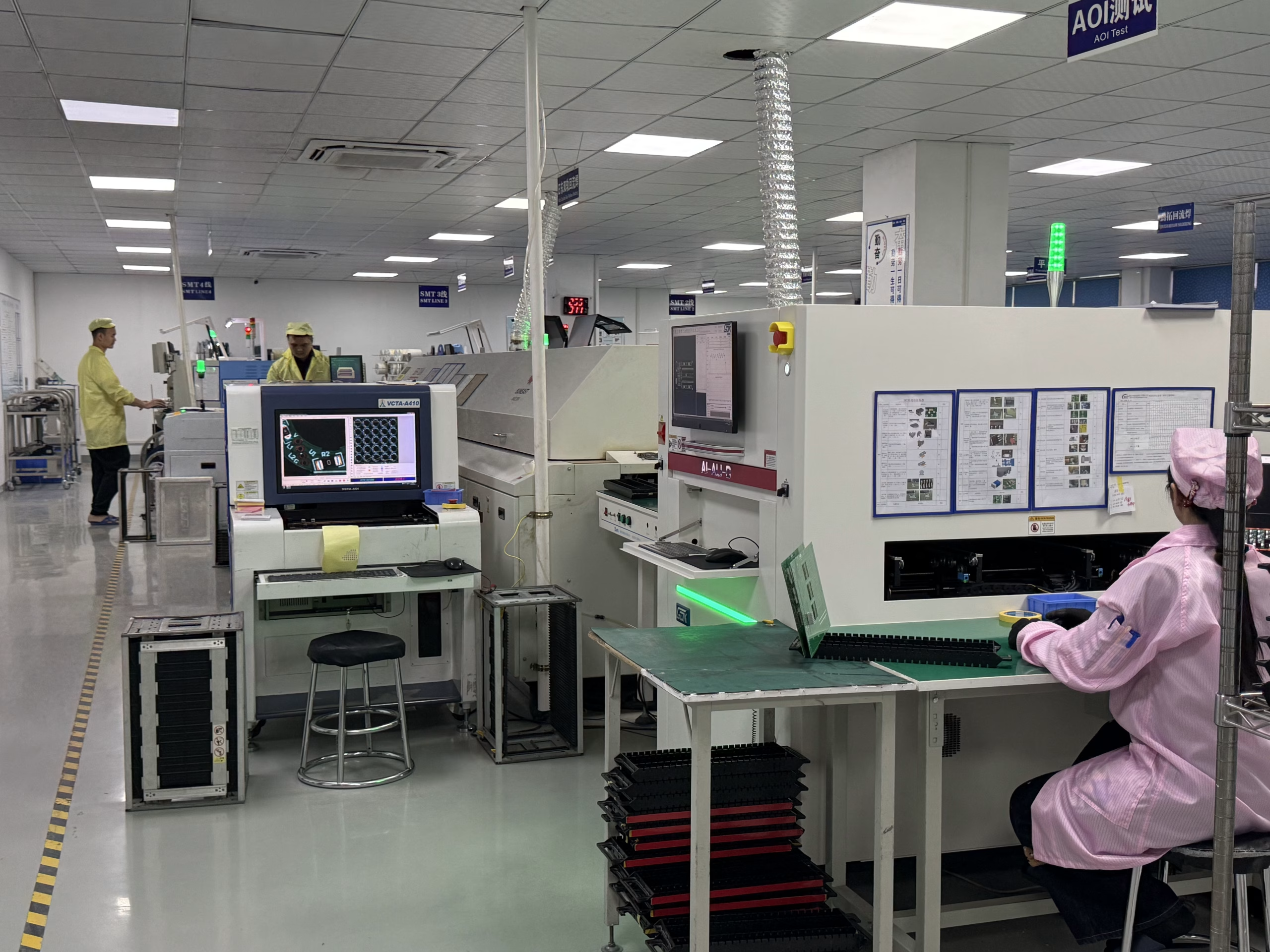
Factory - PCBAndAssembly
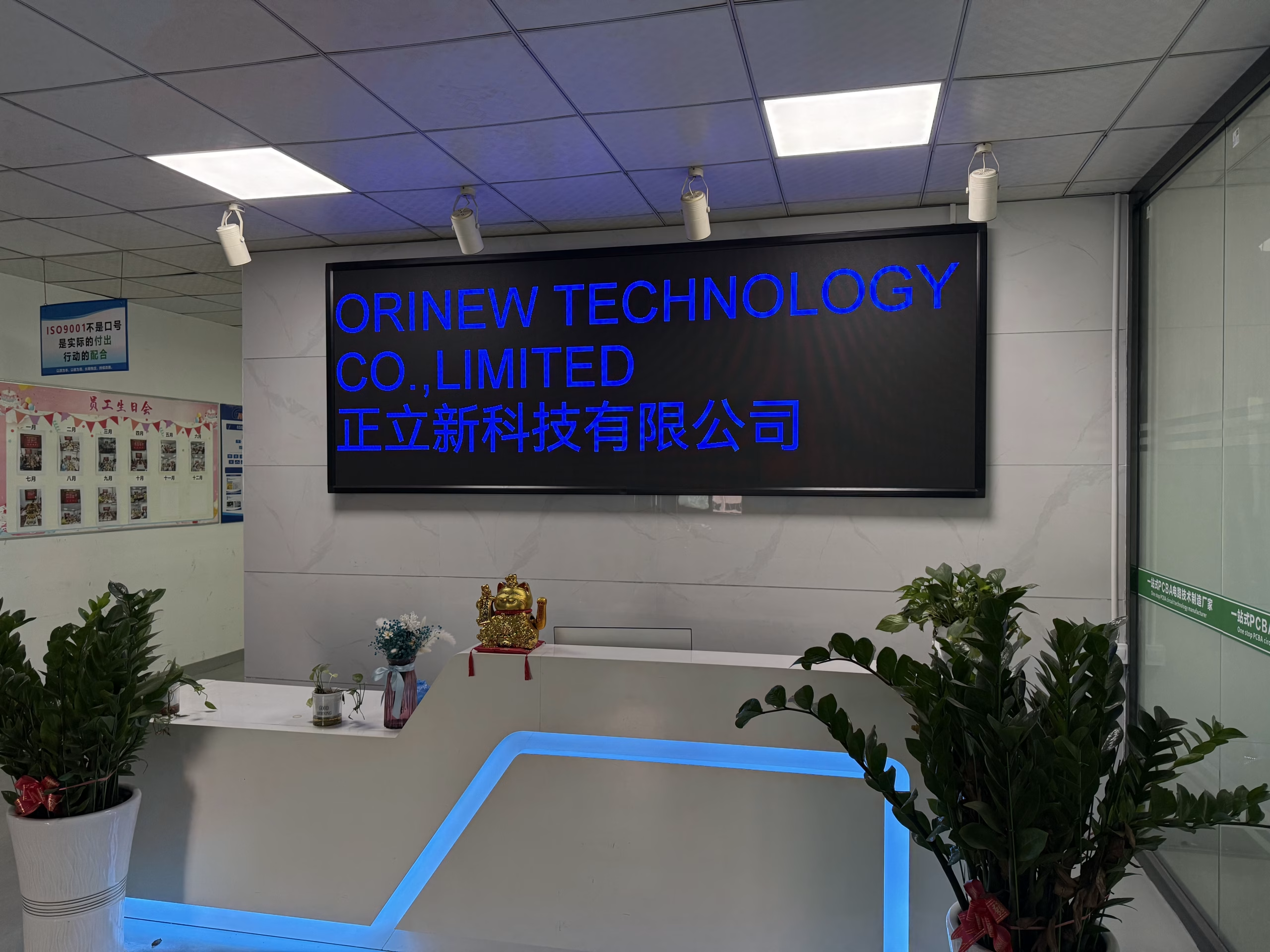
OrinewPCB Company reception
Factory - PCBAndAssembly

One Stop PCB Assembly Services FAQs

We perform AOI, X-ray inspection, and functional test procedures at multiple assembly process stages. Solder joint quality receives optical inspection while BGA components undergo X-ray analysis. Final testing includes circuit testing and performance validation before shipment.

Yes, conformal coating services are available as part of our box build assembly operations. We apply acrylic, urethane, and silicone coatings for moisture protection and environmental resistance. Coating application includes masking of connectors and test points per customer specifications.

Yes, our four facilities handle volume PCB production from prototype quantities through mass manufacturing. Assembly capacity reaches 600,000 chips per hour across our assembly factory locations in Shenzhen and Shijiazhuang. PCB manufacturing facilities in Shenzhen and Jiangmen support high-volume fabrication requirements.

Sensitive electronic components receive ESD-safe storage in humidity and temperature-controlled environments. BOM tracking systems maintain component traceability while inventory rotation prevents aging issues.